
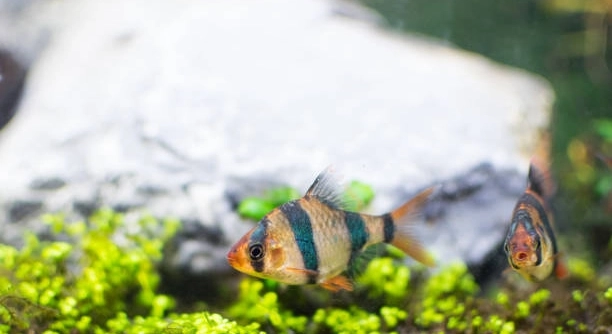
Barbing behavior in pets can sometimes change without obvious reasons. Small shifts in environment or care routines often play a part. Understanding these subtle influences can help in managing and improving your pet’s well-being.
Seven subtle changes—like alterations in diet, stress levels, grooming habits, social interactions, and environment—can significantly influence barb behavior. These factors affect their comfort, health, and stress, which in turn modify their grooming and social patterns.
Recognizing these small changes early can make a big difference in how your barb feels and acts over time.
Changes in Diet
When the diet of a barb changes, even slightly, it can affect their behavior. Barbs rely on consistent nutrition to stay healthy and calm. Switching food types or brands too quickly may upset their digestion and cause stress. Some ingredients can also influence their energy levels or mood. For example, a lack of essential vitamins or proteins might make them less active or more irritable. In some cases, food that doesn’t agree with them could lead to increased barbering as a sign of discomfort. Keeping their diet stable and introducing new foods gradually helps reduce these risks. Watching for changes in behavior after diet adjustments can help catch any issues early.
Even small diet changes can make barbs anxious or more prone to barbering. Stability in feeding is key.
Making sure your barb has a balanced, consistent diet supports good health and lowers stress. Gradual food changes help their system adapt without causing unnecessary tension. Feeding high-quality flakes or pellets with occasional live or frozen treats can provide variety and nutrition. Avoid overfeeding, as excess food can harm water quality and indirectly affect behavior. Maintaining a stable diet also means monitoring their appetite and energy. When barbs feel well-nourished, they tend to be calmer and less likely to engage in excessive grooming or biting. Keeping their diet steady is one of the simplest ways to promote peaceful behavior.
Environmental Stressors
Barbs are sensitive to their surroundings. Changes like water temperature, lighting, or tank decorations can impact their comfort. Sudden shifts in these conditions may increase stress levels. A stressed barb is more likely to display barbering as a coping behavior. Noise or vibrations near the tank can also disturb them. Keeping the tank environment stable and calm helps reduce stress-related barbering. Regular tank maintenance and stable water parameters are essential for their well-being. Observing how your barb reacts to changes can help you adjust the environment to their needs.
Stable water conditions and a calm environment support healthy barb behavior and reduce stress.
Social Dynamics
Barbs are social fish that thrive in groups. Changes in their social environment can affect behavior quickly. Adding or removing tank mates often causes stress and increases barbering.
When the social balance shifts, barbs may feel threatened or isolated. New tank mates can introduce competition for food or territory, leading to stress. Similarly, losing companions may cause anxiety or loneliness. These feelings often manifest as increased grooming or biting among themselves. Keeping a stable group with compatible fish helps barbs feel secure. It’s important to monitor how they interact after any changes and intervene if aggressive behavior starts.
Maintaining a peaceful community tank reduces stress and supports healthy barb behavior. Barbs need friends but also stability to avoid tension.
Grooming Habits and Health
Barbering can sometimes be a sign of health issues like parasites or skin irritation. Poor water quality or infections often trigger excessive grooming. Addressing these health concerns quickly helps reduce barbering.
Regular tank cleaning and water tests keep conditions ideal and prevent skin problems. If barbs show signs of illness or unusual marks, prompt treatment is necessary. Sometimes, barb behavior changes due to minor irritations that cause discomfort. Keeping the tank clean and monitoring fish health regularly helps catch problems early. When barbs feel healthy and itch-free, they groom less aggressively. Understanding the link between health and grooming is key to managing barbering effectively.
Lighting and Day-Night Cycle
Barbs are sensitive to light changes. Too much or too little light can stress them and increase barbering.
Maintaining a consistent day-night cycle helps barbs feel secure. Using a timer for tank lights supports their natural rhythm and reduces stress.
Tank Size and Space
A crowded tank can cause tension among barbs. Limited space increases competition and stress, which often leads to more barbering.
Providing enough room and hiding spots lets barbs establish territories and reduces aggressive behavior. A well-sized tank helps keep them calm and balanced.
Water Quality
Poor water quality harms barbs’ health and behavior. Ammonia, nitrites, and nitrates build-up can cause irritation and stress.
Regular water changes and monitoring keep water clean. Clean water supports barb health and helps minimize barbering caused by discomfort.
Why do barbs start barbering suddenly?
Barbs can begin barbering suddenly due to stress, changes in their environment, or health issues. Sudden shifts like adding new fish, changing water parameters, or altering their diet can trigger anxiety. This stress often shows as increased grooming or biting of their own fins or other fish. It’s a coping behavior that signals discomfort or imbalance in their tank. Identifying and correcting the cause quickly helps reduce this behavior.
Can diet really affect barb behavior that much?
Yes, diet plays a big role in barb behavior. Nutritional deficiencies or sudden changes can make barbs more anxious or irritable. For example, lacking essential vitamins or proteins affects their energy and mood. Feeding low-quality or inappropriate food may also cause digestive problems, leading to discomfort and more barbering. Keeping a balanced and consistent diet supports their health and lowers stress-related behaviors.
How important is tank size for preventing barbering?
Tank size is very important. Overcrowding creates competition for space, food, and hiding spots, increasing stress. Stressed barbs tend to show more barbering. A roomy tank gives them enough space to establish territories and avoid constant contact with others. This reduces aggression and stress, promoting calmer behavior. Ensuring adequate space is a simple way to help minimize barbering.
Can water quality issues cause barbering?
Poor water quality is a common cause of barbering. High levels of ammonia, nitrites, or nitrates irritate fish skin and fins, making barbs groom excessively. Dirty water also weakens their immune system, increasing vulnerability to infections. Regular water changes and monitoring keep conditions healthy and reduce irritation. Maintaining good water quality is essential to prevent barbering linked to discomfort or disease.
Is barbering always a sign of illness?
Not always. While illness and parasites can cause barbering, stress and environmental changes are often bigger factors. Sometimes barbs groom excessively due to boredom or frustration. It’s important to check for signs of disease like redness, swelling, or unusual marks. If health issues aren’t present, focus on improving tank conditions and social stability to reduce barbering.
How do social interactions affect barbering?
Barbs are social and need stable groups. Adding or removing fish disrupts their social balance, causing stress and increased barbering. Aggressive or incompatible tank mates can also lead to tension and more grooming. Maintaining a peaceful, compatible group helps barbs feel secure and lowers stress. Observing their behavior after social changes can prevent problems from worsening.
What role does lighting play in barb behavior?
Lighting affects their natural rhythms. Too much or inconsistent light causes stress, leading to barbering. Barbs need a steady day-night cycle to feel secure. Using a timer to regulate light exposure helps maintain their internal clock. Proper lighting reduces stress and supports healthier behavior patterns.
Can grooming habits indicate barb health?
Yes, grooming reflects their health. Excessive barbering often points to irritation, parasites, or discomfort. Healthy barbs groom normally, but persistent biting or fin damage signals a problem. Regular tank maintenance and monitoring fish closely help catch health issues early. Treating skin problems quickly reduces stress and excessive grooming.
Are environmental changes usually temporary triggers for barbering?
Often, yes. Temporary changes like water temperature shifts or tank rearrangements can stress barbs and increase barbering. If conditions stabilize, behavior usually improves. However, repeated or long-term disruptions can cause ongoing stress and persistent barbering. Minimizing sudden changes and keeping the environment consistent supports calm behavior.
How can I help my barbs stop barbering?
Start by checking water quality, tank size, and social group stability. Make sure diet is balanced and consistent. Observe for signs of illness and treat if needed. Reduce stress by keeping lighting and environment steady. Providing hiding places and space lets barbs feel safe. Addressing these factors together usually helps reduce barbering over time.
Barbering behavior in barbs can be confusing and sometimes frustrating to deal with. It often comes from small changes in their environment or care routines that might seem unimportant at first. These subtle shifts can affect how comfortable and healthy the fish feel. When barbs start barbering, it is usually a sign that something is off. Paying close attention to their diet, tank conditions, and social group can help identify what might be causing stress. By addressing these areas carefully, you can help your barbs feel more relaxed and reduce unwanted behavior.
Maintaining a stable environment is key to preventing barbering. Barbs do best with consistent water quality, proper tank size, and a calm, compatible group of tank mates. Changes should be made slowly and thoughtfully to avoid causing stress. Also, keeping their diet steady and balanced supports their overall health. Sometimes, barbering might point to an underlying health issue like parasites or skin irritation, so regular monitoring is important. When the fish feel healthy and secure, they are less likely to bite or over-groom themselves or others. This means less damage and a happier, more peaceful tank.
In the end, managing barbering is about understanding the small but important factors that influence barb behavior. Taking care of their needs in a consistent and patient way makes a big difference. Watching closely for changes in behavior and responding quickly can prevent problems from getting worse. Even though barbering can seem like a tricky issue, with steady care and attention, it is usually manageable. This helps create a better living space for your barbs and makes your tank more enjoyable to watch.

Hello,
If you enjoy the content that we create, please consider saying a "Thank You!" by leaving a tip.
Every little bit helps us continue crafting quality advice that supports the health, happiness, and well-being of pets around the world, for pets of all shapes, sizes, and species.
We really appreciate the kindness and support that you show us!