
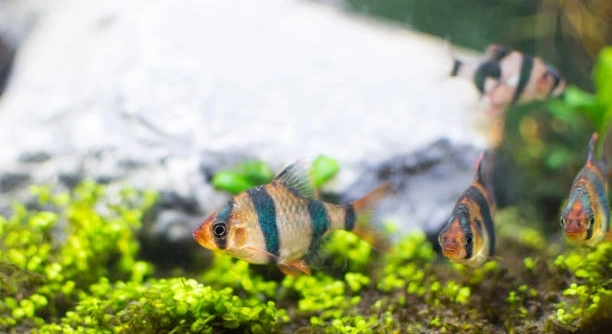
Introducing a new barb to your aquarium can be both exciting and challenging. Ensuring the safety and well-being of your fish during this process requires careful planning and attention. This article provides practical advice for a smooth introduction.
Proper acclimation and quarantine procedures are essential when adding a new barb. Gradual adjustment to water parameters reduces stress and disease risk. Maintaining stable water quality and monitoring behavior help prevent aggression and promote a healthy environment for all fish.
These simple yet effective strategies can help protect your aquatic community while welcoming new members. The following tips will guide you through safe and confident introductions.
Preparing the Aquarium Environment
Before bringing a new barb home, it is crucial to prepare its future habitat carefully. The tank should be clean, with stable water conditions matching the new fish’s needs. Checking parameters like temperature, pH, and ammonia levels helps avoid shock or illness. Adding plenty of hiding spots and plants can reduce stress for both existing and new fish. These areas allow the new barb to feel safe as it adjusts to its surroundings. Regular water changes and monitoring of the filtration system also keep the environment healthy. Avoid overcrowding to minimize competition and aggression. Taking these steps ensures a smooth transition and protects all inhabitants from avoidable problems.
Keeping the tank stable before the introduction reduces risks significantly. It helps the new barb settle in faster without causing disruption.
Taking time to set up the aquarium correctly creates a welcoming space. This foundation supports the fish’s health and encourages peaceful coexistence. Adjustments made early prevent common issues, making future care easier and more enjoyable.
Quarantine and Acclimation Procedures
Quarantining new fish is a critical step before adding them to the main tank.
Quarantine tanks help prevent the spread of diseases and allow observation for any health issues. During this time, it is important to gradually adjust the barb to the water conditions of the main aquarium. This process reduces stress caused by sudden changes. Acclimation can be done by slowly mixing tank water with the water in the quarantine container over several hours. Monitoring the fish closely during quarantine ensures it remains healthy and active. Any signs of illness or unusual behavior should be addressed before introducing the fish. Once the quarantine period is complete and the barb shows no health concerns, it is safer to transfer it to the main tank. This careful approach protects the entire fish community from potential harm and helps maintain a balanced and thriving aquarium.
Observing Behavior and Interaction
Watching how the new barb interacts with other fish is essential during the first days. Immediate signs of aggression or stress need attention to prevent harm.
Fish introduced into a new environment can feel threatened and may act aggressively or hide. Observing their behavior closely helps identify if they are adjusting well or if problems arise. If the new barb is bullied or overly dominant, separating the fish temporarily may be necessary. It is important to act quickly to avoid injuries. Also, keep an eye on feeding behavior to ensure the new barb is eating properly and not being outcompeted by tank mates. Monitoring these interactions allows for adjustments that promote harmony.
Sometimes, a fish may need longer to acclimate. Providing more hiding places or rearranging decorations can reduce tension. Gradual integration is key to creating a peaceful aquarium environment where all fish can thrive.
Maintaining Water Quality
Water quality directly affects the health of all fish in the tank. Regular testing and maintenance are crucial to prevent stress and disease.
Keeping ammonia, nitrite, and nitrate levels within safe limits requires frequent water changes and effective filtration. Poor water quality weakens fish immune systems, making them vulnerable to infections. In a tank with a new barb, maintaining clean water helps reduce stress caused by the change. Monitoring temperature and pH daily ensures conditions remain stable and suitable for all species. Avoid overfeeding to reduce waste buildup. Using a water conditioner can remove harmful chemicals from tap water. Consistent care supports a healthy environment and promotes long-term success for your fish community.
Gradual Introduction to the Main Tank
Introducing the new barb slowly helps reduce stress and aggression among fish.
Using a divider or floating container for a few days allows the new fish to acclimate while existing fish get used to its presence.
Feeding Adjustments
Adjusting feeding routines helps the new barb settle in.
Offering a variety of food types encourages eating and reduces competition. Consistent feeding times create a stable environment for all fish.
Stress Reduction Techniques
Keeping noise and disturbances around the tank minimal lowers fish stress.
Calm surroundings help the new barb and existing fish adapt more smoothly.
Monitoring Health
Regular checks for signs of illness ensure early treatment.
Prompt attention to health issues prevents serious problems in the tank.
FAQ
How long should I quarantine a new barb before introducing it to the main tank?
Quarantine periods usually last between two to four weeks. This time allows you to observe the fish for any signs of illness or parasites. It also helps the barb adjust to new water conditions gradually. Keeping the new fish separate prevents possible disease transmission to your existing fish.
What signs indicate my new barb is stressed?
Common signs include hiding more than usual, loss of appetite, rapid breathing, or clamped fins. Stress can also cause a fish to change color or act aggressively. Observing these behaviors early allows you to take action, such as improving water quality or providing more hiding spaces.
Can I introduce more than one barb at the same time?
Introducing multiple barbs simultaneously is often better. They feel more secure in groups and are less likely to be bullied. Just make sure your tank has enough space and hiding spots for everyone. Adding several at once reduces territorial disputes and helps maintain balance.
How often should I test my aquarium water after adding a new fish?
Testing water daily during the first week is advisable. Monitor ammonia, nitrite, nitrate levels, and pH closely. New fish can sometimes cause spikes due to added waste. Keeping water parameters stable supports the health of both new and existing fish.
What should I do if the new barb is being attacked by other fish?
If aggression occurs, consider separating the new fish temporarily using a tank divider or moving it to a separate tank. Rearranging decorations can also disrupt established territories and reduce aggression. Increasing hiding places allows the new barb to escape conflict.
Is it necessary to feed the new barb differently from the other fish?
Feeding a varied diet benefits all fish, including new barbs. Offer flakes, pellets, and occasional live or frozen foods to meet nutritional needs. Ensuring the new fish gets enough food without overfeeding the tank helps reduce competition and stress.
How can I make the acclimation process easier for the new barb?
Slowly mixing water from the main tank with the water holding the new fish over several hours is effective. This gradual change helps the barb adjust to temperature and chemistry differences. Avoid sudden transfers that can shock the fish.
What water temperature is best for barbs?
Most barbs thrive in temperatures between 74°F and 79°F (23°C to 26°C). Keeping the water stable within this range supports their immune system and activity levels. Sudden temperature fluctuations can cause stress and illness.
How important is tank size when adding new barbs?
Adequate space is crucial. Overcrowding increases stress, aggression, and waste buildup. A larger tank provides enough room for all fish to establish territories and reduces conflicts. For barbs, a minimum of 20 gallons is recommended for a small group.
Can adding plants help when introducing new barbs?
Yes, live plants offer hiding spots and reduce stress by creating a natural environment. They also help improve water quality by absorbing nitrates. Plants encourage peaceful behavior by breaking sight lines and providing refuge.
What are the risks of skipping quarantine?
Skipping quarantine can introduce diseases or parasites to your established tank. This risk can harm all fish and lead to expensive treatments or losses. Quarantine acts as a protective step, helping maintain a healthy aquarium environment.
How do I know when my new barb is fully settled?
Signs of settling include normal feeding behavior, regular swimming patterns, and reduced hiding. The fish interacts calmly with others and shows no signs of stress. This stage often occurs after several days to weeks, depending on the fish and tank conditions.
Should I change my water maintenance routine after adding a new fish?
Increasing the frequency of partial water changes initially helps keep the tank stable. Removing excess waste and uneaten food supports water quality. Once the fish settle, you can return to a regular maintenance schedule.
Is it necessary to inform myself about the specific species of barb?
Absolutely. Different barb species have varying temperaments, size, and environmental needs. Researching these details ensures proper care and compatibility with your existing fish. Matching species helps create a peaceful and thriving aquarium.
What if the new barb refuses to eat?
Refusal to eat may indicate stress or illness. Try offering different foods or feeding in a quiet environment. If the problem continues, check water parameters and observe for signs of disease. Prompt action improves chances of recovery.
This FAQ addresses common concerns when introducing a new barb safely. Careful preparation and monitoring make a positive difference for your fish’s health and happiness.
Final Thoughts
Introducing a new barb to your aquarium requires patience and attention to detail. Taking the time to prepare the tank, quarantine the fish, and monitor behavior carefully can prevent many common problems. A stable and clean environment helps reduce stress, which is key to the fish’s health. Paying close attention to water quality, feeding habits, and interactions with other fish supports a peaceful community. These steps may take extra effort, but they make a big difference in the long run.
Careful acclimation is one of the most important parts of adding new fish. Gradually adjusting the barb to the tank’s water conditions helps avoid shock. Observing the fish closely during the first days allows for quick responses to any signs of illness or stress. If aggression occurs, taking measures like adding hiding places or separating the fish temporarily can protect everyone involved. Following these precautions helps the barb settle in more comfortably and encourages harmony within the tank.
Overall, the process of safely introducing a new barb benefits from a thoughtful and steady approach. It is important to respect the needs of both the new fish and the existing community. Proper care before, during, and after introduction helps maintain a healthy aquarium environment. With patience and careful monitoring, your fish will have a better chance to thrive together. This will make your aquarium more enjoyable and rewarding to care for over time.

Hello,
If you enjoy the content that we create, please consider saying a "Thank You!" by leaving a tip.
Every little bit helps us continue crafting quality advice that supports the health, happiness, and well-being of pets around the world, for pets of all shapes, sizes, and species.
We really appreciate the kindness and support that you show us!