
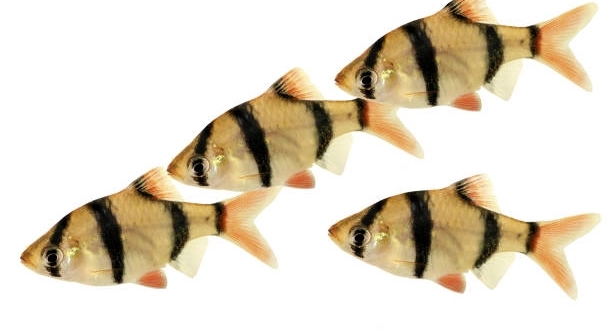
Tiger barbs are popular aquarium fish known for their vibrant colors and active nature. Keeping their fins healthy is essential for their well-being and overall appearance. Various factors can contribute to fin damage, affecting these fish in subtle and serious ways.
Several elements can harm tiger barb fins, including poor water quality, aggressive tank mates, improper diet, inadequate tank conditions, bacterial or fungal infections, physical injuries, and stress. Each of these factors plays a role in weakening or damaging the delicate fin tissue, leading to fin rot or tears.
Understanding these common causes will help maintain your tiger barbs’ health and improve their fin condition for a more vibrant and lively aquarium display.
Poor Water Quality
Poor water quality is one of the most common reasons tiger barb fins become damaged. When the water is not clean, harmful chemicals and waste build up, which irritates the fins and skin. High levels of ammonia, nitrites, or nitrates can cause fin rot and make the fish more vulnerable to infections. Regular water changes and proper filtration are essential to keep the environment safe. Testing water parameters frequently helps identify any issues early on. Without clean water, tiger barbs may show signs of stress, and their fins can start to look ragged or torn. Maintaining good water conditions creates a healthy space for your fish and reduces the chances of fin problems.
Keeping water clean requires effort but greatly improves your tiger barbs’ health and appearance.
Water quality impacts every part of your tiger barbs’ health, from their immune system to fin strength. Without regular cleaning and monitoring, toxins can accumulate quickly. Even small changes in pH or temperature can stress fish, causing fin damage. Proper filtration helps remove waste and toxins while oxygenating the water. Changing about 25% of the water weekly keeps conditions stable. Avoid overcrowding the tank, as too many fish produce more waste and reduce water quality. Using water conditioners can remove chlorine and other harmful substances from tap water. Consistent care in maintaining water quality prevents many fin issues and promotes healthy growth.
Aggressive Tank Mates
Aggressive tank mates can cause physical damage to tiger barb fins through biting or nipping. This behavior stresses the fish and leads to torn or frayed fins.
Aggressive species should be avoided or carefully managed when kept with tiger barbs. Aggression in a community tank causes constant stress, which weakens the fins’ ability to heal. Tank mates with sharp teeth or territorial behavior are more likely to injure fins. It’s important to observe fish interactions and separate aggressive individuals promptly. Providing plenty of hiding spaces and plants can reduce conflict and protect fins. Choosing peaceful companions ensures your tiger barbs stay safe and comfortable. Monitoring the social dynamic within the tank is crucial to prevent fin damage caused by aggressive neighbors.
Improper Diet
A poor diet can weaken tiger barb fins and slow their healing. Lack of essential nutrients affects fin strength and overall health.
Feeding tiger barbs an unbalanced diet low in vitamins and minerals reduces their ability to recover from fin damage. Protein is important for tissue repair, while vitamins like A and C support immune function. Avoid overfeeding, as excess food can pollute the water and cause stress. Offering a variety of high-quality flakes, pellets, and occasional live or frozen foods ensures a balanced intake. Proper nutrition helps maintain vibrant colors and strong fins, reducing the risk of fin rot and tearing.
Providing consistent, nutritious meals is vital for tiger barbs’ fin health and their general well-being.
Physical Injuries
Physical injuries often occur from rough handling or sharp tank decorations. These injuries can cause tears or cuts in fins, which may lead to infections if untreated.
When tiger barbs swim near sharp or jagged objects, their fins can easily get caught or scraped. Decorations with rough edges or poorly placed equipment increase the chance of injury. Handling fish roughly during tank cleaning or transfer can also damage their fins. It’s important to use soft nets and smooth decorations to minimize harm. Injured fins need a clean environment to heal properly and avoid bacterial infections. Regularly inspecting the tank setup and being gentle when handling fish helps prevent many physical fin injuries.
Bacterial and Fungal Infections
Bacterial and fungal infections are common causes of fin damage in tiger barbs. These infections can quickly worsen if left untreated.
Infections usually start from small wounds or poor water conditions. Signs include discoloration, frayed edges, or white spots on the fins. Early treatment is essential to stop the spread and promote healing.
Stress
Stress weakens tiger barbs’ immune systems, making fin damage more likely. Factors such as overcrowding, sudden changes, or poor water quality cause stress.
Inadequate Tank Conditions
Inadequate tank conditions, including wrong temperature or pH, affect fin health. Stable, suitable tank conditions support stronger fins and reduce risks of damage.
How can I tell if my tiger barb’s fins are damaged?
Damaged fins often look torn, ragged, or have missing pieces. You might see discoloration, such as white or red edges. The fins may also appear clamped or less spread out than usual. Watch for signs like fraying or blackened tips, which usually indicate fin rot or injury.
What causes fin rot in tiger barbs?
Fin rot is usually caused by bacterial infections, often linked to poor water quality or stress. When water parameters are off or the fish is injured, bacteria can invade damaged fin tissue. This leads to tissue decay, making fins look ragged and unhealthy. Treating fin rot early helps prevent permanent damage.
How often should I clean my aquarium to prevent fin damage?
Regular maintenance is key. Changing about 20-30% of the water weekly helps keep toxins low and water quality stable. Clean the filter as recommended but avoid over-cleaning, which can remove beneficial bacteria. Keeping a consistent cleaning schedule reduces risks to your tiger barbs’ fins and overall health.
What are the best foods to support fin health?
A balanced diet with high-quality flakes or pellets rich in protein is important. Supplement with live or frozen foods like brine shrimp or bloodworms for extra nutrients. Vitamins A and C are especially helpful for fin regeneration and immune support. Avoid overfeeding to keep water quality good.
Can tank mates cause fin damage?
Yes, aggressive or fin-nipping fish can harm tiger barb fins. Tiger barbs are active but may still be stressed or injured by more aggressive species. Choose peaceful, compatible fish to share the tank. Watch your fish regularly and separate any aggressive individuals to protect fins.
How do I treat fin injuries or infections?
First, improve water quality by performing a water change and checking parameters. Use antibacterial or antifungal medications if infection is present. Isolate severely injured fish in a quarantine tank for focused treatment. Keep the tank clean and avoid stressors to support healing.
What tank conditions are ideal for tiger barbs?
Maintain a temperature between 74-79°F (23-26°C) and a pH of 6.5 to 7.5. Provide good filtration and aeration to keep water clear and oxygenated. Avoid overcrowding to reduce waste and stress. Stable conditions promote fin health and prevent disease.
Why do my tiger barbs’ fins look ragged even though water quality is good?
Fin damage may be caused by physical injury, aggressive tank mates, or stress unrelated to water quality. Sharp decorations or rough handling can tear fins. Monitor your fish’s behavior and tank setup closely to identify possible causes.
How long does it take for damaged fins to heal?
Fin healing time varies but generally takes a few weeks under optimal conditions. Clean water, proper diet, and low stress speed up recovery. Avoid any additional injuries during this time to allow the fins to regrow fully.
Can I prevent fin damage altogether?
While some damage may happen, most fin problems can be prevented with good care. Keep water clean, feed balanced diets, choose suitable tank mates, and maintain a safe environment. Early attention to any signs of fin trouble is important for prevention.
Taking good care of tiger barbs requires attention to several important details. Their fins are delicate and can be damaged easily by many common factors. Poor water quality, aggressive tank mates, and improper diet are some of the main reasons fins become torn or infected. Physical injuries from sharp decorations or rough handling also cause problems. Stress and unsuitable tank conditions contribute as well. Understanding these risks is the first step to preventing fin damage and keeping your tiger barbs healthy.
Keeping the aquarium clean and stable is vital. Regular water changes and proper filtration remove harmful substances that can irritate fins and cause infections. Watching the behavior of your fish helps you spot aggression early and reduce stress. Feeding a balanced diet with good quality food provides the nutrients needed for fins to grow strong and heal faster. Tank decorations should be smooth and safe, and handling fish should be gentle to avoid injuries. All these steps help create an environment where tiger barbs can thrive without fin problems.
Even with the best care, occasional fin damage can happen. When you notice any signs like frayed or discolored fins, quick action is necessary. Improving water quality, isolating injured fish, and using medications when needed can stop infections and support healing. Patience is important because fins take time to regrow. By keeping a close eye on tank conditions and fish health, you can minimize risks and enjoy vibrant, healthy tiger barbs in your aquarium for a long time.

Hello,
If you enjoy the content that we create, please consider saying a "Thank You!" by leaving a tip.
Every little bit helps us continue crafting quality advice that supports the health, happiness, and well-being of pets around the world, for pets of all shapes, sizes, and species.
We really appreciate the kindness and support that you show us!