
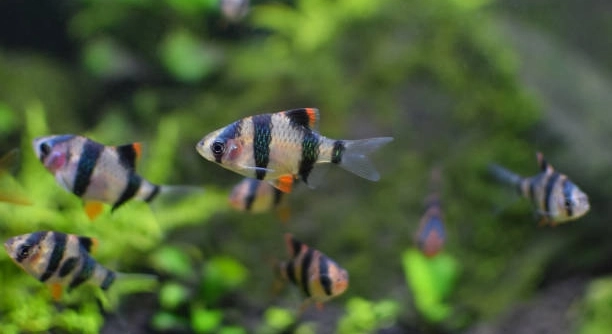
Barbs are lively fish that bring color to any aquarium. Sometimes, they stop eating, which can worry their owners. Understanding why this happens helps keep your fish healthy and happy.
When a barb isn’t eating, common causes include stress, water quality issues, illness, or changes in their environment. Addressing these factors promptly is essential to restore normal feeding behavior and maintain overall fish health.
Knowing how to respond when your barb refuses food can prevent serious problems. The following tips offer practical steps to encourage your fish to eat again.
Check Water Quality and Parameters
Poor water quality is a leading reason barbs stop eating. Ammonia, nitrite, or nitrate levels that are too high can stress your fish and affect their appetite. Regularly test the water for these chemicals using a reliable test kit. Also, ensure the temperature matches the species’ needs, typically between 74 and 79°F (23–26°C). Frequent water changes help keep the tank clean and stable. Avoid overfeeding, as leftover food can pollute the water. Keep the filter running properly to maintain oxygen levels. If you notice cloudy water, algae growth, or unusual odors, act quickly to improve the tank environment. Clean the substrate gently to remove waste but avoid disturbing the fish too much. Clear, well-maintained water encourages barbs to feed normally and stay active.
Regular water testing is vital for your barb’s appetite and overall health.
Keeping water conditions stable makes your barbs feel secure and more likely to eat. Changes in water quality can shock them, so gradual adjustments are best. If the water is clean and parameters are correct, look next to the fish’s behavior and physical condition to rule out illness. Healthy barbs swim actively and have bright colors, while sick ones may hide or show spots and discoloration. Sometimes, adding aquatic plants can help improve water quality naturally and provide hiding spots that reduce stress. Remember, barbs need consistency. Sudden changes in water or tank setup often cause feeding problems. Keeping a regular maintenance routine ensures your fish stay comfortable, making them more willing to eat.
Offer Varied and High-Quality Food
Barbs can be picky eaters if their diet lacks variety. Feeding the same food every day may cause them to lose interest. Offering different types of food can stimulate their appetite. Try a mix of flakes, pellets, frozen, or live foods like brine shrimp or bloodworms. High-quality food provides the necessary nutrients for growth and energy. Avoid cheap or expired food that can lower their immune system. Feeding small amounts two to three times daily is better than one large meal. Remove any uneaten food after a few minutes to prevent water pollution.
To encourage eating, gently offer food near your barb’s usual spot in the tank.
Variety in diet is crucial for barbs’ health and appetite. They benefit from occasional treats like daphnia or mosquito larvae, which are rich in protein. Vegetables such as blanched spinach or peas can also be added to their diet. When changing foods, introduce new options gradually to avoid upsetting their digestion. If your barb refuses food, try hand-feeding or placing food in different tank areas to attract attention. Observing what type of food your barb prefers helps maintain a healthy feeding routine. Proper nutrition boosts their immune system, making them less likely to fall ill and lose appetite. Consistent feeding habits combined with diverse food options keep barbs active and interested in eating.
Reduce Stress in the Tank
Stress causes barbs to stop eating quickly. Loud noises, sudden movements, or overcrowding can make them anxious.
Creating a calm environment is important. Avoid tapping the glass or making quick changes in the tank. Make sure the tank is not too crowded by following the recommended number of fish per gallon. Adding hiding spots like plants or decorations helps barbs feel secure. When introducing new fish, quarantine them first to prevent disease and reduce stress for all tank members.
Stress weakens the immune system and reduces appetite. Keeping a stable environment improves feeding behavior and overall fish health.
Monitor for Illness Signs
Sick barbs often refuse food. Look for signs like clamped fins, unusual swimming, or discoloration.
If your fish shows these symptoms, isolate it in a quarantine tank. Treating illness early improves recovery chances. Use medications recommended for common fish diseases, but always follow dosage instructions carefully. Maintain excellent water quality during treatment. If unsure about the illness, consult a vet or aquatic specialist. Proper diagnosis prevents worsening conditions. Keep observing your fish daily for changes and adjust care as needed. Early intervention saves lives and restores appetite faster.
Adjust Lighting and Tank Environment
Too much light can stress barbs and cause them to hide or stop eating.
Try lowering the brightness or shortening the light period. Providing shaded areas with plants or decorations helps create a more comfortable space.
Increase Tank Cleanliness
Regular cleaning helps prevent bacteria buildup that can make barbs sick and lose appetite. Remove leftover food and waste promptly. Clean the filter as needed to keep water clear and healthy.
Observe Feeding Times Carefully
Barbs tend to eat best during early morning or late afternoon. Feeding during these times may improve their appetite and reduce food waste. Watch your fish’s behavior to find their preferred feeding schedule.
Avoid Overcrowding
Too many fish in the tank causes stress and competition for food. Keep the number of barbs within the tank’s capacity to ensure each fish gets enough space and food.
FAQ
Why is my barb not eating even though water quality is good?
Even with good water quality, barbs may stop eating due to stress, illness, or sudden changes in the tank. Stress factors include loud noises, new tank mates, or recent rearrangement. Illnesses like parasites or bacterial infections also reduce appetite. Monitor your fish closely for signs of sickness or anxiety and adjust the environment accordingly.
How long can a barb go without eating before it becomes dangerous?
Barbs can survive for several days without food, usually up to a week, but prolonged fasting weakens their immune system. If your barb refuses food for more than three days, take immediate steps to find and fix the cause to avoid health problems.
Can changing the type of food help when a barb stops eating?
Yes. Barbs can be picky, and offering a variety of foods often encourages eating. Try switching between flakes, pellets, frozen, or live foods. Sometimes, a new texture or flavor is enough to trigger their appetite and get them feeding again.
Is it normal for barbs to skip meals occasionally?
Occasional skipping can happen, especially if the fish is stressed or adjusting to new surroundings. However, consistent refusal to eat is a concern. Keep an eye on your fish’s behavior, and if they continue not eating for more than two days, look for underlying causes.
Can water temperature changes affect a barb’s appetite?
Yes. Barbs are sensitive to temperature shifts. Temperatures outside their preferred range (74–79°F) can slow their metabolism and reduce appetite. Maintain stable water temperature to keep your fish comfortable and feeding regularly.
How do I know if my barb is sick?
Common signs of illness include lethargy, clamped fins, loss of color, spots, and unusual swimming patterns. A sick barb often hides and refuses food. Early detection and treatment are key to recovery, so observe your fish daily.
Should I isolate a barb that isn’t eating?
Isolating a sick or non-eating barb can prevent disease spread and reduce stress. Use a quarantine tank with proper conditions. This also allows you to monitor feeding closely and provide treatment if needed without disturbing other fish.
Can tank mates cause a barb to stop eating?
Aggressive or overly active tank mates can intimidate barbs and stop them from feeding. Ensure your tank has compatible fish and enough space. Sometimes, rearranging the tank or adding hiding spots helps reduce stress caused by other fish.
Is fasting ever good for barbs?
Occasional fasting, such as skipping one day of feeding weekly, can improve digestion and health. However, extended fasting is harmful. Monitor your fish’s condition during fasting periods and stop if they show signs of weakness.
How often should I feed my barbs?
Feed small amounts two to three times daily. Avoid overfeeding to prevent water pollution and obesity. Remove uneaten food promptly to keep the tank clean and maintain water quality.
Can adding plants improve a barb’s appetite?
Yes. Live plants provide hiding spots, reduce stress, and improve water quality, creating a natural environment that encourages barbs to eat. Plants also help maintain stable water parameters, which supports overall health.
What should I do if my barb refuses all types of food?
If your barb rejects all foods, check water quality and tank conditions first. Observe for signs of illness or stress. Isolate the fish if possible and consult a specialist for diagnosis and treatment. Sometimes, gently hand-feeding or offering fresh live food can help stimulate eating.
How do I introduce new food to picky barbs?
Introduce new food gradually by mixing it with familiar food. Offer small amounts to avoid waste and observe your fish’s reaction. Patience is key; some barbs take time to accept new diets.
Are there specific foods that improve a barb’s appetite?
Protein-rich foods like bloodworms, brine shrimp, and daphnia often stimulate appetite. Adding variety with occasional vegetable matter like blanched spinach can support digestion and keep barbs interested in feeding.
Can water changes cause a barb to stop eating temporarily?
Yes. Large or sudden water changes can stress barbs, causing temporary loss of appetite. Perform gradual water changes and maintain stable conditions to minimize stress and help fish recover their normal feeding habits quickly.
When a barb stops eating, it can be worrying. Many factors may cause this behavior, including stress, illness, or changes in the tank environment. Understanding these reasons helps in finding the right solution. Keeping water clean and stable is very important because poor water quality is one of the main reasons fish lose their appetite. Regular testing and maintenance make the tank a safe place for barbs. Also, feeding them a varied and balanced diet encourages them to eat well and stay healthy. Offering different foods like flakes, pellets, and live options helps keep their interest in meals.
Stress affects barbs more than many people realize. Loud noises, too much light, overcrowding, and sudden changes in their home can make them stop eating. Providing hiding spots and keeping a calm environment reduces stress. It is important to watch your fish closely for signs of illness or discomfort. If your barb shows symptoms like hiding, clamped fins, or unusual swimming, acting quickly by isolating and treating the fish can prevent worse problems. Keeping a quarantine tank ready is a good idea for such cases. The sooner you respond, the better the chance your fish will recover and start eating again.
Feeding habits and timing also matter. Barbs tend to eat best in the early morning or late afternoon. Feeding small amounts multiple times a day avoids leftover food, which can pollute the tank and cause health issues. Overfeeding should be avoided as well. Finally, patience is important. Sometimes barbs refuse food temporarily because they are adjusting to new surroundings or recovering from stress. By maintaining good water quality, reducing stress, and offering a varied diet, you can support your barb’s health and appetite. These simple steps help your fish live a longer, happier life in your aquarium.

Hello,
If you enjoy the content that we create, please consider saying a "Thank You!" by leaving a tip.
Every little bit helps us continue crafting quality advice that supports the health, happiness, and well-being of pets around the world, for pets of all shapes, sizes, and species.
We really appreciate the kindness and support that you show us!