
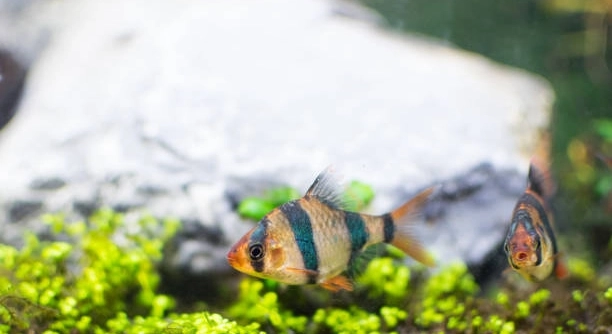
Have you ever found yourself wondering how daily tank changes might be affecting your tiger barbs’ mood and overall health? These colorful, active fish often show their preferences through subtle behavior changes that can be easy to overlook.
Tiger barbs generally do not mind daily tank changes as long as the process is done gently and consistently. Sudden shifts in water temperature or chemistry, however, can lead to stress and potential health issues over time.
Frequent tank maintenance can benefit water quality, but understanding how your fish respond helps you create a more stable, comfortable environment for them.
Why Daily Changes May Not Bother Your Tiger Barbs
Tiger barbs are hardy fish that can tolerate a variety of tank conditions, especially when changes are made with care. Daily water changes, when done in small amounts, typically help keep the tank clean and the fish healthy. These partial changes remove waste, reduce toxins like ammonia and nitrites, and improve oxygen levels. However, tiger barbs may become stressed if the temperature or pH of the new water is very different from what they are used to. Stress can show up through faded color, erratic swimming, or hiding. To avoid problems, match the new water’s conditions to the existing tank and make changes slowly. Using a siphon or gentle pour method helps avoid shocking them. Keep the lights dim and avoid tapping the glass. With consistent care and observation, tiger barbs will adjust well to frequent changes and remain active and social in their environment.
Water changes are useful, but care must be taken to maintain stability in the tank.
Paying attention to how your tiger barbs react can help you catch early signs of stress. They may become less playful or more aggressive than usual. Watch them after each change and keep a record if needed.
How to Make Daily Changes Safe for Your Fish
Always make sure the new water is close in temperature and pH to the tank water.
When preparing for a daily tank change, set aside a container of treated water at least 24 hours in advance. This allows the water to reach room temperature and helps prevent sudden shifts that might stress your tiger barbs. Use a thermometer to confirm that both the tank and new water are within 1–2°F of each other. Add a water conditioner to remove chlorine or chloramines. During the change, only replace 10–15% of the water unless there’s a specific reason to do more. Pour the water in slowly or use a siphon with a flow control valve to reduce disturbance. Avoid changing decorations or disturbing the substrate too often, as this can disrupt beneficial bacteria. Try to keep a regular routine so your fish can adjust to the rhythm. Over time, these small habits can make a big difference in how your fish respond to daily care.
Signs Your Tiger Barbs Might Be Stressed
Faded colors, erratic swimming, and hiding more than usual can point to stress in your tiger barbs. These behaviors often follow sudden changes in water conditions or an overly aggressive tank environment.
If your tiger barbs start darting quickly around the tank or pressing against the glass, it might mean they’re feeling uncomfortable. Some fish may separate from the group or refuse food. These are small signs but worth paying attention to, especially after a water change. Watch how they swim and interact with each other. Normally, tiger barbs are active and move in a group. A quiet or overly jumpy fish might be reacting to sudden shifts in temperature or pH. Keeping a log of their behavior after each tank change can help you notice patterns and adjust your routine if needed. A few minutes of observation each day can tell you a lot.
Unusual aggression is another way tiger barbs respond to stress. Though naturally semi-aggressive, they may nip more often or chase each other when stressed by water quality or environmental disruptions. Too much cleaning or stirring up the substrate can release trapped waste, affecting the water. Try to keep the tank environment stable. Let the fish settle before feeding or interacting.
Other Factors That Influence Stress
Tankmates, water flow, and lighting can affect how well your tiger barbs handle daily changes. Even if water conditions are perfect, too much activity or light can still cause them stress.
Tiger barbs do best in groups of six or more. Being in a small group makes them feel unsafe and can trigger stress. If they’re housed with overly aggressive or slow-moving fish, tension can build. Water flow should be moderate—not too weak, but not strong enough to push them around. Lighting should mimic a natural day/night cycle with 8–10 hours of light daily. Try to keep tank decorations consistent and provide open swimming space along with hiding spots. These small details help tiger barbs feel secure. When they feel safe, they are more tolerant of daily changes and show fewer signs of stress. Keeping routines steady and checking water parameters regularly will also make a big difference.
How Often Is Too Often?
Changing small amounts of water every day is usually safe for tiger barbs, as long as it’s done gently. The key is to avoid large, sudden shifts that could upset the balance of the tank.
If you’re doing more than 20% daily without a specific reason, it may be too much.
When You Might Need to Change More Often
In some cases, daily or even twice-daily changes are helpful—like when cycling a new tank, treating illness, or managing high toxin levels. During these times, waste builds up quickly, and more frequent changes support the fish’s health. Just remember to always match temperature and pH. Use a test kit to track ammonia, nitrites, and nitrates. If those are within safe levels, you can usually cut back to two or three changes a week. Consistency matters more than frequency. Avoid changing too much too fast. Over time, your tank should settle into a rhythm that meets the needs of both the fish and the water system.
What to Watch Out For
Sudden drops in temperature, cloudy water, or sluggish behavior after changes could mean something’s off. Adjust your routine if you notice repeated issues.
FAQ
Can I change tiger barb tank water every day?
Yes, you can change a small amount of water every day. Daily changes of around 10–15% are usually safe and can help keep the tank clean. Just make sure the new water is close in temperature and pH to the current tank water. Fast or large changes may stress your tiger barbs. Use a water conditioner and pour slowly to avoid disturbing them. Keeping a regular schedule helps reduce any surprise to the fish. They will get used to the routine over time, especially if you avoid sudden changes or loud activity during the process.
Do tiger barbs act differently after water changes?
Sometimes tiger barbs behave differently right after a water change. You may see them swimming faster, hiding, or separating from the group. This doesn’t always mean something is wrong—it could just be a response to the change in water flow or temperature. If they settle down within an hour and go back to normal, there’s usually no need to worry. But if you notice continued signs of stress, like gasping at the surface or erratic swimming, double-check the temperature, pH, and water quality. Keeping conditions steady helps reduce these reactions.
How do I make water changes less stressful for my tiger barbs?
Start by preparing the water in advance. Let it sit for at least 24 hours and make sure it’s treated with a water conditioner. Keep the temperature close to what’s already in the tank. During the change, pour slowly or use a siphon with a gentle flow. Don’t make other changes—like moving plants or decorations—at the same time. That adds more stress. Keep the lights low while working in the tank. Tiger barbs are quick to notice changes, so being quiet and consistent helps them stay calm.
What signs should I look for if they don’t react well to changes?
Watch for faded color, fast breathing, clamped fins, or hiding for long periods. Some tiger barbs might stop eating or become aggressive toward others. If these signs happen right after a water change and continue for more than a few hours, test your water. Check for ammonia, nitrites, nitrates, pH, and temperature. Sometimes, even clean water can cause stress if there’s a big difference in conditions. Try adjusting your method to make the change more gradual. Also, make sure the tank isn’t too bright or noisy during the process.
Is it better to do one large change or smaller daily ones?
Smaller daily water changes are usually easier on tiger barbs. They keep the tank clean without shocking the system. A big change—like 50% or more—can remove helpful bacteria or upset the balance, especially if the water temperature or pH is very different. Unless there’s a serious problem in the tank, it’s safer to change smaller amounts regularly. This gives the fish time to adjust and keeps the water stable. Large changes are sometimes needed, but they should be done slowly and only when necessary.
Can over-cleaning stress my tiger barbs?
Yes, over-cleaning can be just as stressful as not cleaning enough. Removing too much water or disturbing the gravel and decorations too often can throw off the tank’s balance. Good bacteria live in the filter, gravel, and decorations, and they help keep the water safe. If you clean all these areas at once, the bacteria may not recover fast enough, which can lead to spikes in toxins. Stick to a schedule where you change the water regularly, clean only one part of the tank at a time, and avoid scrubbing everything at once.
What’s the ideal schedule if I don’t want to change water every day?
If daily changes feel like too much, try doing 20–30% changes two to three times a week. This still keeps the tank clean and gives you more flexibility. Just keep an eye on water quality with a test kit. The key is consistency. Even if you’re not changing water every day, regular testing and a steady routine will help your tiger barbs stay healthy. Some people also use sponge filters or live plants to help control waste and improve water quality between changes.
Final Thoughts
Keeping tiger barbs healthy in a home aquarium takes a bit of attention and consistency. Daily water changes can be safe and even helpful, but only when done the right way. Changing too much at once, pouring water too quickly, or using water that’s too cold or warm can stress the fish. Small, gentle changes—especially if the temperature and pH match the tank—are usually fine. If done with care, these changes can actually improve water quality and reduce harmful waste buildup. For many fish keepers, daily maintenance becomes a simple part of their routine. It’s about balance and knowing your fish well.
Tiger barbs are active and social fish. They respond to even small changes in their surroundings. Because of this, it’s important to pay attention to how they act after each water change. Signs like hiding, fast swimming, or loss of appetite can mean they’re feeling uncomfortable. These signs don’t always mean something is seriously wrong, but they are worth noticing. If you see them often, it may be a sign to adjust how or how often you change the water. Over time, you’ll get used to your fish’s normal behavior, and you’ll be able to spot when something feels off. Watching and learning from your fish is a big part of keeping them happy.
In the end, the goal is to keep a clean, stable, and safe environment where your tiger barbs can thrive. Whether you choose to change water daily, every few days, or weekly, the most important part is to be consistent and gentle. Make small changes, avoid sudden disruptions, and give your fish time to settle after each update to their tank. A good routine can prevent many problems and keep your fish active, colorful, and healthy. As with most aquarium care, there’s no one-size-fits-all answer—but with careful observation and a steady hand, your tiger barbs can live comfortably with regular tank maintenance.

Hello,
If you enjoy the content that we create, please consider saying a "Thank You!" by leaving a tip.
Every little bit helps us continue crafting quality advice that supports the health, happiness, and well-being of pets around the world, for pets of all shapes, sizes, and species.
We really appreciate the kindness and support that you show us!