
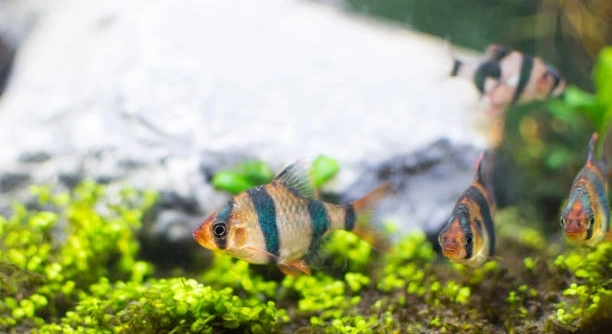
Tiger barbs are lively, colorful fish that add energy to any aquarium. Creating a well-planned tank layout can enhance their natural behavior and make your aquarium more enjoyable to watch. Thoughtful design helps promote a healthy environment for these active fish.
Seven creative tank layouts for tiger barbs focus on balancing open swimming space with planted areas and hiding spots. Incorporating varied decorations, substrates, and plants creates stimulating environments that support social interaction and reduce stress, resulting in a thriving tiger barb community.
These layouts provide inspiration for making your tank both functional and visually appealing. Exploring different setups can help you find the perfect design for your tiger barbs’ happiness and your enjoyment.
Open Swimming Space with Sparse Decorations
Providing plenty of open swimming space is essential for tiger barbs, as they are active swimmers that thrive in movement. Keeping decorations minimal allows them to swim freely without feeling cramped. Sparse decorations like a few smooth rocks or driftwood pieces placed strategically give them places to explore without overcrowding the tank. This setup helps reduce aggression by giving fish enough room to establish their own territories. Use a fine gravel substrate to keep the bottom comfortable for their delicate barbels. Avoid tall plants that block their swimming paths, and opt instead for short or floating plants to maintain open sightlines. Regular water changes and filtration support water quality, which is critical in this active environment to prevent stress. Overall, simplicity benefits tiger barbs by encouraging natural swimming patterns and social behavior while keeping the tank easy to maintain.
Keeping swimming space open supports tiger barbs’ health and reduces territorial disputes. It also makes tank maintenance easier.
This layout works well in tanks sized 20 gallons or larger. Use smooth decor to prevent injury and avoid overcrowding. Floating plants like duckweed add a natural touch without limiting swimming paths. The open design highlights the vibrant colors of tiger barbs and encourages dynamic movement, making your aquarium more lively and engaging to watch.
Heavily Planted Areas for Hiding
Dense planting offers tiger barbs places to hide and rest when they feel threatened or stressed. Tall, bushy plants create cover and break lines of sight, which helps reduce aggression among the fish. Providing hiding spots supports their natural instinct to seek shelter and helps maintain a calm environment. Plants such as Java fern, Anubias, and Vallisneria grow well and do not require intense lighting. These species tolerate the active nature of tiger barbs and add structure to the tank. Be sure to secure plants firmly in the substrate or attach them to decorations so tiger barbs do not uproot them during their exploration. Dense planting also benefits water quality by absorbing excess nutrients and providing oxygen. Incorporating leaf litter or driftwood enhances the natural feel and offers additional hiding spaces.
Plant cover is important to balance tiger barbs’ active swimming with safe retreats.
When planting heavily, aim for areas of dense vegetation interspersed with open swimming space. This allows tiger barbs to move freely while having access to shelter. Using hardy, low-maintenance plants minimizes upkeep. Floating plants add surface cover without taking up tank floor space. This layout suits tanks where reducing stress is a priority and creates a natural, serene environment that encourages healthy behavior.
Mixed Open and Planted Zones
Combining open swimming areas with planted zones balances activity and shelter for tiger barbs. This setup gives them space to swim and places to hide.
Creating distinct zones within the tank encourages natural behavior. Open spaces allow tiger barbs to dart and play, while planted sections provide refuge when they want to rest or feel threatened. Position taller plants or decorations toward the back and sides, keeping the center open. This layout mimics their natural habitat and reduces stress. Using hardy plants like Anubias or Amazon swords ensures durability against active fish. Gravel or sand substrates complement this design, adding texture and interest. Regular maintenance keeps plants healthy and water clean, supporting a thriving tank environment.
This setup works well for those who want a lively, dynamic tank with visual contrast. The balance of open and planted areas keeps tiger barbs engaged and comfortable, making tank watching more enjoyable.
Themed Natural Biotope Layout
A natural biotope layout replicates the tiger barb’s native environment with authentic plants, rocks, and driftwood. This creates a more immersive tank experience. Using river stones and submerged branches mimics their natural riverbeds. Incorporate native plants such as Cryptocoryne and Java moss to enhance authenticity. The substrate should be dark sand or fine gravel to resemble natural river bottoms. Keeping lighting moderate helps simulate shaded water conditions found in their habitat.
Maintaining a biotope encourages natural behaviors, including schooling and foraging. It can be more demanding but is rewarding for dedicated hobbyists. Proper water parameters are critical: a slightly acidic pH around 6.5–7 and temperatures between 74°F and 79°F match tiger barbs’ native waters. This setup fosters a healthy and stimulating environment that supports their well-being.
A biotope layout highlights the beauty and behavior of tiger barbs while providing a realistic, comfortable home. It appeals to those interested in ecological accuracy and a more natural aquarium experience.
Vertical Plant Focus
Using tall, vertical plants creates a striking look while providing cover for tiger barbs. These plants add height without taking up much floor space.
Species like Vallisneria and Hygrophila grow quickly and offer vertical structure. They help break sight lines and reduce aggression in the tank.
Rock and Driftwood Scape
Arranging rocks and driftwood creates natural hiding spots and swimming pathways. This design offers a rugged, textured environment that tiger barbs enjoy exploring.
Choose smooth stones and sturdy driftwood pieces. Position them to create caves and swim-throughs. This layout enhances both aesthetics and fish behavior.
Low Light and Shade
Providing shaded areas with floating plants or dense cover helps tiger barbs feel secure. Low light reduces stress and encourages natural activity levels.
Floating plants like duckweed or water lettuce are easy to maintain and create gentle shade across the tank surface.
FAQ
How many tiger barbs should I keep in one tank?
Tiger barbs are schooling fish and should be kept in groups of at least six to eight. Smaller groups often lead to increased aggression as they try to establish dominance. Larger groups help spread out this behavior, making the tank more peaceful. A group of six or more also encourages natural schooling behavior, which is enjoyable to watch.
What is the ideal tank size for tiger barbs?
A tank of at least 20 gallons is recommended for a small group of tiger barbs. This size provides enough swimming space and room for decorations and plants. Larger tanks give even better results by allowing more complex layouts and reducing stress. Good filtration and regular maintenance are important in any tank size.
Can tiger barbs live with other fish?
Yes, but choose tank mates carefully. Tiger barbs can be nippy and aggressive, especially towards slow-moving or long-finned fish. Suitable companions include fast-swimming species like danios or other barbs. Avoid keeping them with very small or delicate fish to prevent bullying.
What type of plants work best in a tiger barb tank?
Hardy plants that can withstand active fish are best. Java fern, Anubias, and Vallisneria are good choices because they attach to rocks or driftwood and aren’t easily uprooted. Floating plants like duckweed also provide shade and cover. Avoid delicate plants that tiger barbs might tear or dig out.
How often should I clean a tiger barb tank?
Perform partial water changes of 20-30% weekly to keep water quality high. Remove uneaten food and waste regularly. Clean filters monthly or as needed based on the tank’s bioload. Consistent maintenance prevents ammonia spikes and keeps fish healthy.
What do tiger barbs eat?
Tiger barbs are omnivores and enjoy a varied diet. High-quality flakes or pellets make a good base, supplemented with frozen or live foods like brine shrimp, bloodworms, or daphnia. Vegetables like blanched spinach or peas can be offered occasionally. A balanced diet supports their vibrant colors and energy.
How can I reduce aggression in a tiger barb tank?
Keeping tiger barbs in larger groups reduces bullying by dispersing aggression. Providing plenty of hiding spots and plants also helps. Avoid overcrowding, as stress can increase hostility. Maintaining excellent water quality and proper nutrition supports calmer behavior.
Do tiger barbs need special lighting?
Standard aquarium lighting works well for tiger barbs. Moderate lighting supports plant growth without stressing the fish. Using floating plants or shaded areas creates comfortable low-light zones that tiger barbs appreciate for hiding and resting.
What water parameters are best for tiger barbs?
Tiger barbs prefer slightly acidic to neutral water, with a pH between 6.5 and 7.5. Water temperature should range from 74°F to 79°F (23°C to 26°C). Regular testing and adjustments help keep these conditions stable for optimal health.
How long do tiger barbs typically live?
With proper care, tiger barbs live about 5 to 7 years in captivity. Providing a clean tank, balanced diet, and good social environment helps extend their lifespan and maintain their bright colors.
Tiger barbs are lively and colorful fish that bring energy to any aquarium. Setting up a tank that meets their needs can make a big difference in how they behave and thrive. Choosing the right layout is important for their health and happiness. Whether you prefer open swimming areas or heavily planted spaces, the tank should offer both room to move and places to hide. A good layout encourages natural behavior and reduces stress among the fish. This helps keep the tiger barbs active and vibrant over time.
When planning a tank, it is useful to consider the balance between decoration and open space. Too many decorations can limit swimming room, while too few can leave fish feeling exposed. Plants, rocks, and driftwood each add value to the environment by offering shelter and stimulating exploration. A mix of open and covered zones tends to work best. It creates a dynamic space where tiger barbs can school, rest, and interact. Paying attention to water quality and lighting is also necessary, as these factors directly affect the well-being of your fish and plants.
Maintaining a tank designed for tiger barbs requires regular care but is not overly complicated. Routine water changes, cleaning, and feeding ensure the aquarium stays healthy. Watching tiger barbs swim and socialize in a well-set tank is rewarding. Over time, experimenting with different layouts and decorations can help you find the ideal setup for your fish. A thoughtfully arranged tank improves the quality of life for tiger barbs and adds enjoyment for the owner.

Hello,
If you enjoy the content that we create, please consider saying a "Thank You!" by leaving a tip.
Every little bit helps us continue crafting quality advice that supports the health, happiness, and well-being of pets around the world, for pets of all shapes, sizes, and species.
We really appreciate the kindness and support that you show us!