
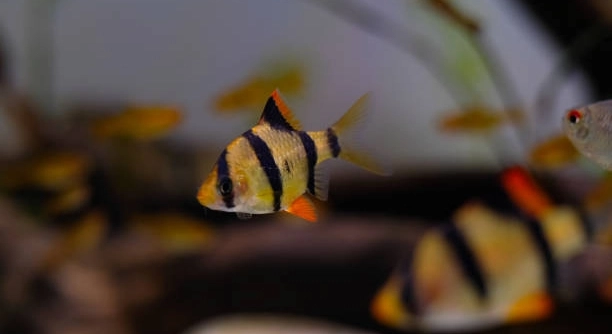
Many people enjoy keeping tiger barbs as colorful additions to their aquariums. These lively fish can brighten up any tank but sometimes show signs that something isn’t right. Knowing the early clues of illness can help keep them healthy.
Recognizing the signs of sickness in tiger barbs is essential for their care. Common symptoms include changes in behavior, appearance, and appetite. Identifying these clues early allows for timely intervention, reducing the risk of serious health problems or death.
Knowing what to watch for can help you act quickly and protect your fish’s well-being in your home aquarium.
Changes in Swimming Behavior
When a tiger barb is feeling unwell, its swimming patterns often change noticeably. Healthy tiger barbs are active and swim around the tank confidently. If you see your fish floating near the surface, sinking to the bottom, or staying in one place for too long, it could be a sign of illness. Erratic swimming or difficulty maintaining balance also indicates health issues. These behaviors may result from infections, poor water quality, or internal problems. Paying attention to these signs can help you spot trouble early. Keep the tank clean and monitor water parameters regularly to prevent stress that can lead to sickness.
Swimming behavior is one of the earliest and clearest signs that your tiger barb might be sick.
Changes in swimming are a red flag because they show the fish is uncomfortable or struggling. This can be due to parasites, bacterial infections, or water quality problems. Sometimes, fish swim slower or float oddly to conserve energy when they are weak. If left unchecked, these symptoms can worsen quickly. Addressing water quality issues, checking for signs of disease, and isolating sick fish are important steps. Observing your tiger barb’s movement daily will help you notice subtle changes and take action before the condition becomes severe.
Loss of Appetite
A sick tiger barb often stops eating or eats less than usual. Loss of appetite can indicate stress, disease, or internal parasites. When a fish refuses food, it weakens rapidly and becomes vulnerable to further health issues. It is important to watch feeding times and note any sudden changes. Feeding a balanced diet and maintaining good water quality support recovery. If the fish continues to reject food, treatment or consultation with an aquatic specialist may be necessary to diagnose the problem and improve the fish’s health.
Visible Physical Changes
Physical signs like spots, discoloration, or torn fins often indicate illness in tiger barbs. These visible changes show the fish’s body is fighting something wrong, whether infection or injury. Keep an eye on any new marks or changes in color.
White spots are common signs of ich, a parasitic infection. Red or inflamed areas might point to bacterial infections. Fin rot causes the fins to appear ragged or frayed. Swollen or bloated bodies could mean internal problems like dropsy. Noticing these symptoms early is important. Regular tank maintenance and quarantine for new fish help reduce disease risks. When physical changes appear, isolating the fish can prevent spread, and treatment should start quickly.
Sometimes, physical changes come from poor water conditions rather than disease. Ammonia or nitrite poisoning can cause redness or irritation on the fish’s body. Make sure to test water regularly and keep parameters stable. Good filtration and regular water changes keep the environment healthy, reducing the chance of sickness. If problems persist despite good water quality, consider consulting a professional for advice on treatment.
Erratic or Aggressive Behavior
Tiger barbs usually swim in groups and show social behavior, but illness can cause them to act differently. Sick fish may become aggressive or unusually shy, avoiding others. They might also flash or rub against tank objects in discomfort.
Stress from illness affects behavior strongly. When a tiger barb feels pain or irritation, it might lash out at tank mates or hide away more often. Changes in behavior often come before visible symptoms. Watch for unusual aggression or isolation from the group. These signs may be caused by parasites, infections, or poor water quality. Addressing water conditions and providing proper care can reduce stress and help the fish recover. If aggressive behavior continues, removing the sick fish to a separate tank may protect others and allow treatment to work more effectively.
Gasping at the Surface
Gasping at the surface usually means the fish is struggling to get enough oxygen. This often happens when water quality is poor or oxygen levels are low.
Poor filtration or overcrowding can cause oxygen depletion. Improving water flow and aeration helps ease breathing difficulties for your tiger barb.
Clamped Fins
Clamped fins occur when a fish holds its fins close to the body. This is a common stress response or a sign of illness.
This behavior reduces movement and may indicate discomfort or infection. Watch for this as an early warning to check water quality or health status.
Lethargy
Lethargy means your tiger barb is less active than usual. The fish might rest on the bottom or hide more often.
Reduced energy levels can signal illness or poor tank conditions. Monitoring activity levels is important to catch problems early and help your fish recover.
How can I tell if my tiger barb is sick?
You can tell your tiger barb is sick by observing changes in its behavior, appearance, and appetite. Signs include erratic swimming, loss of appetite, clamped fins, gasping at the surface, or visible physical changes like spots or torn fins. Early detection relies on daily observation and keeping track of any new or unusual behaviors.
What causes illness in tiger barbs?
Illnesses in tiger barbs can be caused by poor water quality, infections from bacteria, parasites, or fungi, stress from overcrowding, or sudden changes in the tank environment. Poor nutrition and improper tank maintenance also weaken their immune system, making them more vulnerable to disease.
What should I do if my tiger barb is sick?
If your tiger barb shows signs of sickness, first test your water for ammonia, nitrites, and nitrates. Improve water quality by doing partial water changes and cleaning the tank. Quarantine the sick fish if possible. Use appropriate medications based on the symptoms and consult an expert if you are unsure.
How can I prevent my tiger barb from getting sick?
Prevention starts with maintaining clean water and stable tank conditions. Regularly test water parameters and avoid overcrowding. Provide a balanced diet and avoid sudden changes in temperature or water chemistry. Quarantining new fish before adding them to the main tank helps prevent the spread of disease.
Is it normal for tiger barbs to act aggressive?
Tiger barbs can be naturally semi-aggressive, especially in groups. However, sudden increased aggression may indicate stress or illness. If aggression is paired with other symptoms like clamped fins or loss of appetite, it’s best to investigate tank conditions and health status.
Can poor water quality really make tiger barbs sick?
Yes, poor water quality is one of the main reasons tiger barbs get sick. High levels of ammonia or nitrites irritate their gills and weaken their immune systems. Keeping the tank clean, cycling the tank properly, and monitoring water parameters regularly are key to preventing illness.
How long does it take for a sick tiger barb to recover?
Recovery time depends on the illness and how quickly it is treated. Mild infections may improve within a week with proper care. More serious conditions might take several weeks. Consistent treatment, good water quality, and a stress-free environment support faster healing.
When should I consider seeing a professional about my sick fish?
If your tiger barb’s symptoms worsen despite water improvements and medication, or if you are unsure about the diagnosis, consult an aquatic veterinarian or experienced fish specialist. Early expert advice can prevent the problem from becoming fatal.
Can I treat sick tiger barbs with home remedies?
Some mild issues like minor water quality problems can be fixed at home by improving tank conditions. However, many diseases require specific medications. Avoid guessing treatments and follow recommended protocols to prevent worsening the condition.
How often should I check my tiger barbs for signs of illness?
Daily observation is best. Tiger barbs can hide symptoms, so watching their behavior, appetite, and appearance regularly helps catch early signs. Keeping a routine check makes it easier to detect any changes before they become serious.
What role does diet play in my tiger barb’s health?
A balanced diet strengthens the immune system and supports overall health. Feeding high-quality flakes, pellets, and occasional live or frozen foods ensures proper nutrition. Avoid overfeeding to maintain water quality and prevent obesity, which can lead to health problems.
Are there any signs that mean immediate action is needed?
Yes, signs like rapid gasping, severe lethargy, heavy fin damage, or sudden death in the tank require urgent attention. These indicate serious conditions that may spread or worsen quickly. Acting fast with water changes, isolation, or medication is important in these cases.
Taking care of tiger barbs means paying close attention to their health and behavior. These fish are active and colorful, but they can get sick like any other pet. Knowing the signs of illness early is important. Changes in swimming, loss of appetite, or visible spots on their body are all clues that something may be wrong. By watching your fish daily, you can catch problems before they become serious. This helps your tiger barbs live longer and stay healthy.
Keeping the aquarium clean and the water balanced plays a big role in preventing sickness. Regular water tests and changes reduce harmful substances like ammonia and nitrites that can harm your fish. Overcrowding or sudden changes in temperature can also cause stress, which weakens their immune system. Providing a balanced diet and a peaceful environment helps tiger barbs stay strong and active. When illness does happen, quick action is needed. Isolating sick fish and using proper treatment can stop the spread of disease and improve their chances of recovery.
Remember that every aquarium is different, and sometimes it takes time to find the right care routine. If you are ever unsure about your fish’s health or how to treat a problem, seeking advice from an expert can make a difference. Watching your tiger barbs closely and maintaining good tank conditions will create a better home for them. Taking these steps helps you enjoy the beauty of your fish while making sure they stay happy and healthy.

Hello,
If you enjoy the content that we create, please consider saying a "Thank You!" by leaving a tip.
Every little bit helps us continue crafting quality advice that supports the health, happiness, and well-being of pets around the world, for pets of all shapes, sizes, and species.
We really appreciate the kindness and support that you show us!