
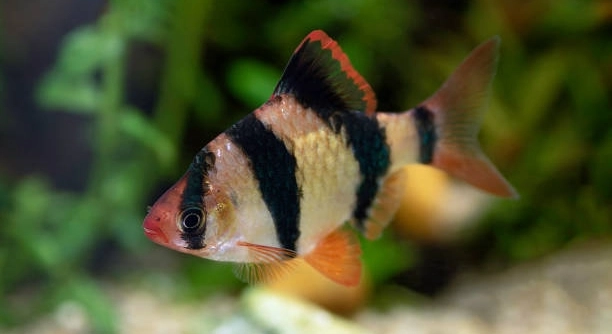
Do you have tiger barbs in your aquarium and wonder how they react when one is missing? Many fish owners notice changes in behavior when their group changes unexpectedly. Tiger barbs are social fish with interesting group dynamics.
Tiger barbs do notice when one of their group is missing. They rely on social interactions and often show signs of stress or altered behavior when a member is removed. Their awareness of group presence plays an important role in their well-being.
Understanding how tiger barbs respond to missing companions can help you care for them better and maintain a healthy tank environment. This knowledge is useful for anyone wanting happy, balanced fish.
How Tiger Barbs Form Social Bonds
Tiger barbs are schooling fish that prefer to stay in groups. In a group, they establish a social order, which helps reduce aggression and stress. When one fish is missing, the others may become unsettled because their usual interactions change. They often swim more cautiously and may even act restless. This change shows that they recognize the absence of a member and react accordingly. The bonds between tiger barbs are important, as these connections create a sense of security. Without the full group, they may feel vulnerable. It’s common for them to seek out the missing fish, especially if they were close companions. This behavior demonstrates how connected these fish are to their group, even if they do not have complex emotions like mammals.
Their reactions help maintain balance in the tank by signaling when something is off. Recognizing these signs can improve how you manage your aquarium.
The social bonds between tiger barbs also influence their health. A stable group can reduce stress-related illnesses and improve overall activity. When a fish goes missing, the stress can lead to less eating or hiding. Understanding this can help you respond quickly if a fish disappears, ensuring your tank stays healthy and balanced.
Signs Tiger Barbs Show When One Is Missing
Tiger barbs show several signs when a member is gone. They may swim slower or hang near the spot where the fish was last seen.
These signs help owners notice the group’s stress and make changes to reduce it.
Watching their behavior closely can prevent bigger problems. If the group seems anxious or aggressive after a fish disappears, it might mean they are struggling with the change. Sometimes, adding a new fish or rearranging the tank can help them adjust. Keeping an eye on their patterns helps keep the aquarium peaceful and the fish healthy.
How Missing Tiger Barbs Affect Tank Dynamics
When one tiger barb is missing, the group’s behavior shifts noticeably. They may become more aggressive or shy as they adjust to the change. The balance they once had is disrupted, causing tension within the tank.
The absence of a member changes how the fish interact. Some may take the missing fish’s place in the social order, while others withdraw. This can lead to fights or stress, especially if the group is small. Larger groups usually handle the change better, but tension is still common. The missing fish’s spot creates a gap that the others try to fill, causing a brief period of uncertainty and instability.
If the missing fish was a leader or more dominant, the effect is stronger. The other fish may compete for dominance or change swimming patterns to reestablish order. This can cause increased movement or hiding, which is different from their usual calm routine.
Helping Tiger Barbs Cope with a Missing Member
Supporting your tiger barbs during this time is important. Keeping the tank environment stable and stress-free helps them adjust faster. Small changes like hiding spots or gentle feeding routines can make a big difference.
Adding a new fish too quickly can cause more stress. It’s better to give your fish time to settle. Watching for signs of aggression or illness is key. If problems continue, rearranging the tank décor can break up territories and ease tension. Patience and observation help your fish find their new balance and feel safe again in their home.
Recognizing Stress in Tiger Barbs
Stress in tiger barbs shows through changes in color, behavior, and appetite. They may lose their bright stripes and become less active. These signs often mean they are feeling uneasy in the tank.
Stress can also make them hide more or act aggressively toward tank mates. Noticing these changes early helps prevent serious health problems.
Adjusting Tank Conditions for Stability
Stable water conditions are crucial for tiger barbs after a loss. Keep temperature, pH, and cleanliness consistent. Sudden changes add to their stress and delay recovery.
Proper filtration and regular water changes support a healthy environment. This stability helps the group regain normal behavior more quickly and lowers chances of illness.
When to Introduce a New Tiger Barb
Introduce new tiger barbs only after the group has settled. Rushing this can increase stress and cause fights. Wait until the fish swim calmly and show normal behavior before adding newcomers.
How do tiger barbs react when one of them goes missing?
Tiger barbs usually show signs of stress and confusion when a member of their group disappears. They may swim more erratically, become aggressive, or hide more often. Since they rely on the group for safety and social cues, the missing fish creates a gap in their routine, causing noticeable changes in their behavior.
Can tiger barbs feel loneliness or sadness?
While tiger barbs do not experience emotions like humans, they do have social needs. Their stress or altered behavior when one is missing comes from changes in group dynamics rather than true loneliness. These fish depend on their group for security and interaction, so changes affect their comfort and activity.
How long does it take for tiger barbs to adjust to a missing fish?
Adjustment time varies depending on the size of the group and the personality of the fish. Generally, it can take a few days to a couple of weeks for the remaining fish to settle back into a stable routine. Larger groups tend to adapt more quickly, while smaller groups might take longer and show more tension.
Should I add a new tiger barb right after one goes missing?
It’s best to wait until the tank is calm and the fish show normal behavior before adding a new member. Introducing a new fish too soon can increase stress and lead to aggression. Patience helps the group stabilize, making it easier for everyone to accept the newcomer.
What signs indicate that my tiger barbs are stressed due to a missing member?
Look for duller colors, less activity, hiding, or sudden aggression. These signs show the fish are unsettled. Changes in appetite or unusual swimming patterns are also common. Catching these signs early helps you take steps to reduce stress.
Can tank rearrangement help tiger barbs cope with the loss?
Yes, changing the tank layout can break up established territories and reduce aggression. Adding new hiding spots or plants helps create a more comfortable environment. This encourages the fish to explore and adjust without constant stress or conflict.
Is it normal for tiger barbs to fight more after one is missing?
Increased aggression can happen as the social structure shifts. Fish may compete to fill the missing spot in the group’s hierarchy. Monitoring these fights is important; mild disputes are normal, but severe or constant fighting needs attention to prevent injuries.
How do I know if my tiger barbs have fully adjusted after a loss?
When the fish return to their usual swimming patterns, bright colors, and normal feeding habits, they have likely adjusted. Calm interactions and less hiding are also good signs. Continued monitoring helps ensure they stay healthy and balanced.
What should I do if the stress from a missing fish causes illness?
Maintain clean water and stable tank conditions, and consider isolating sick fish if necessary. Improving diet and reducing stress through tank rearrangement can help. If illness persists, consulting an aquatic veterinarian may be necessary.
Can missing fish cause long-term problems in a tiger barb group?
If managed well, groups recover without long-term effects. However, repeated losses or ongoing stress can weaken their immune systems and cause lasting behavioral issues. Keeping a stable, well-maintained tank minimizes these risks.
Are there ways to prevent stress when a tiger barb goes missing?
Maintaining a larger group, stable tank conditions, and a proper environment reduces stress overall. Being prepared with a plan to add new fish or rearrange the tank helps your tiger barbs stay calm if a member disappears.
How important is group size for tiger barbs’ well-being?
Group size is very important. Smaller groups are more sensitive to losses and stress, while larger groups share social responsibilities and support better balance. Keeping at least six tiger barbs is recommended for healthy social behavior.
What role does diet play in helping tiger barbs cope with stress?
A nutritious diet supports their immune system and energy levels, helping fish manage stress better. Regular feeding with quality flakes, pellets, or frozen foods keeps them strong and resilient during changes.
Can tiger barbs remember a missing fish?
Tiger barbs do not have long-term memory like mammals, but they recognize group members and react to their absence. Their responses are driven by social structure rather than memory or emotional attachment.
What environmental factors help tiger barbs feel secure?
Stable water temperature, clean water, adequate hiding spots, and a peaceful tank environment are key. These factors reduce stress and promote natural behaviors, helping tiger barbs adjust smoothly to changes in the group.
Tiger barbs are social fish that rely on their group for a sense of safety and balance. When one fish goes missing, it is clear that the others notice the change. Their behavior often shifts as they react to the absence, showing signs like increased aggression or hiding. These reactions are part of how they maintain order within the group. Understanding this helps aquarium owners better care for their tiger barbs by recognizing when the fish are stressed and need support. The changes in behavior are natural and usually temporary, but they show how important the group is for tiger barbs’ well-being.
Managing the tank environment is key during times when a tiger barb is missing. Keeping the water clean and stable helps reduce stress and keeps the fish healthy. Small adjustments like adding hiding spots or rearranging decorations can make a big difference by helping the fish feel more secure. It’s important to be patient and allow the group time to adjust before introducing any new fish. Adding a new member too soon may increase tension or aggression. Watching the fish closely and noticing their behavior will guide you in making the right decisions for the group’s health and harmony.
Overall, the way tiger barbs respond to a missing member shows how social and connected they are. While they may not experience emotions like humans, their need for group stability is clear. Providing a calm, stable environment and paying attention to their behavior will help them cope with changes. If you care for tiger barbs, knowing how they react to loss helps you support them better. This knowledge makes it easier to keep your aquarium peaceful and your fish healthy over the long term.

Hello,
If you enjoy the content that we create, please consider saying a "Thank You!" by leaving a tip.
Every little bit helps us continue crafting quality advice that supports the health, happiness, and well-being of pets around the world, for pets of all shapes, sizes, and species.
We really appreciate the kindness and support that you show us!