
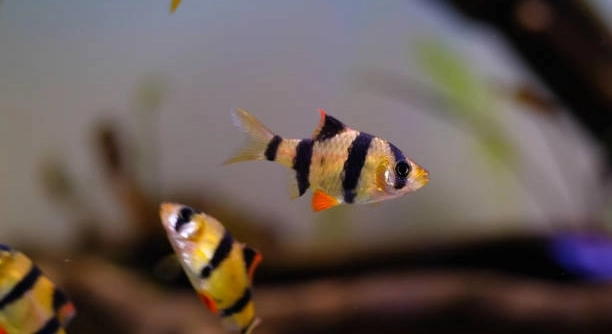
Tiger barbs are lively and colorful fish that many enjoy keeping in home aquariums. Ensuring they are comfortable is essential for their health and well-being. Small changes in their environment can make a big difference in how they thrive.
Providing proper tank size, maintaining clean water conditions, and offering a balanced diet are key ways to make tiger barbs comfortable. Additionally, incorporating plants and hiding spots helps reduce stress, while stable water temperature and compatible tank mates promote a harmonious habitat.
Making these adjustments supports your tiger barbs’ overall happiness and longevity. Understanding their needs helps create a better environment for these active fish.
Provide Adequate Tank Space
Tiger barbs are active swimmers that need enough room to move comfortably. A small tank can cause stress and aggressive behavior. Ideally, a tank should hold at least 20 gallons for a small group. This space helps maintain water quality and allows the fish to swim freely. Overcrowding often leads to health issues and increased aggression. Make sure the tank has enough surface area for proper oxygen exchange, which is vital for their well-being. Regular water changes and filtration also contribute to a stable environment. Investing in a spacious tank is one of the simplest ways to promote comfort and longevity for your tiger barbs.
Space also allows for natural schooling behavior, which reduces stress and improves social dynamics among the fish.
Besides size, the tank setup matters. Adding plants and decorations provides hiding spots, which help reduce stress. Open swimming areas balance these hiding places, creating an ideal environment. The water should be kept clean with regular maintenance. Maintaining a stable temperature between 74°F and 79°F is important, as fluctuations can cause discomfort. Also, avoid mixing tiger barbs with overly aggressive or much larger fish, as this can increase tension. Finally, feeding a balanced diet ensures they get the necessary nutrients for health and vibrant colors. These measures together support a comfortable habitat for tiger barbs.
Maintain Stable Water Conditions
Stable water parameters are essential for tiger barbs’ health. Sudden changes in temperature, pH, or water hardness can stress the fish, making them vulnerable to disease. Frequent testing and adjustments help keep conditions steady.
Proper filtration is necessary to remove waste and toxins that build up quickly in a tank. An efficient filter maintains clear water and reduces harmful ammonia and nitrite levels. Regular water changes of 20-25% weekly help keep the water fresh and balanced. Avoid using harsh chemicals or over-treating the water, as this can upset the delicate balance needed for tiger barbs. Monitoring the tank with a reliable test kit allows you to catch problems early and correct them before they affect the fish. When water conditions remain stable, tiger barbs show better health, vibrant colors, and less aggressive behavior, contributing to their overall comfort in the tank.
Offer a Balanced Diet
A varied diet keeps tiger barbs healthy and vibrant. Feeding them high-quality flakes or pellets designed for tropical fish provides basic nutrition. Supplement this with occasional live or frozen foods like bloodworms or brine shrimp for added protein.
Feeding tiger barbs a balanced diet supports their immune system and coloration. Avoid overfeeding, as excess food can pollute the tank and cause health problems. Small, frequent meals are better than one large feeding. Including vegetable matter like spirulina flakes ensures they get necessary fiber. A diverse diet mimics their natural food sources, keeping them active and satisfied. Paying attention to feeding habits helps prevent aggression related to food competition.
Consistent feeding routines improve their comfort by reducing stress. Healthy nutrition encourages natural behavior and supports growth. Balanced feeding also contributes to maintaining clear water, as less uneaten food means less waste buildup.
Choose Compatible Tank Mates
Tiger barbs are semi-aggressive and do best with species that can handle their energy. Avoid slow-moving or long-finned fish that may be targeted. Other active fish of similar size are good companions.
Choosing compatible tank mates prevents stress and injury. Peaceful species can become bullied, while overly aggressive fish can provoke fights. Ideal companions include other barbs or fast swimmers like danios and rasboras. Keeping tiger barbs in groups of at least six also reduces aggression, as they focus on each other instead of other fish. Careful selection of tank mates promotes a stable social environment, which helps tiger barbs feel secure. This balance minimizes conflicts and creates a more peaceful aquarium where all fish can thrive.
Provide Hiding Spots
Hiding spots reduce stress for tiger barbs by giving them places to retreat. Plants, rocks, and decorations create a natural environment that feels safe. These areas help the fish avoid conflict and rest comfortably.
In addition to reducing stress, hiding spots encourage natural behavior. Tiger barbs are more active and less aggressive when they feel secure. Including a mix of dense plants and open areas balances the tank well.
Keep Water Temperature Stable
Maintaining a steady temperature between 74°F and 79°F is crucial. Sudden fluctuations can stress tiger barbs, affecting their health. Use a reliable heater and thermometer to monitor conditions regularly.
Avoid Overcrowding
Too many fish in one tank cause stress and aggression. Keeping groups to appropriate sizes improves water quality and comfort for all inhabitants.
FAQ
How often should I feed my tiger barbs?
Feeding tiger barbs two to three times a day with small amounts is ideal. This keeps them healthy without overloading the tank with uneaten food. Small meals encourage natural feeding behavior and prevent water pollution.
Can tiger barbs live with other fish?
Yes, tiger barbs can live with other active, similarly sized fish. Avoid slow or long-finned fish as tiger barbs may nip at them. Good tank mates include danios, rasboras, and other barbs. Keeping them in groups of six or more reduces aggression.
What water parameters do tiger barbs need?
Tiger barbs thrive in water with a temperature of 74°F to 79°F, a pH between 6.5 and 7.5, and moderate hardness. Regular testing helps maintain these conditions. Sudden changes can stress the fish, so stable water quality is essential.
How large should the tank be for tiger barbs?
A minimum of 20 gallons is recommended for a small group of tiger barbs. This size allows enough swimming space and helps keep water parameters stable. Larger tanks improve comfort and reduce aggression.
Why do tiger barbs nip other fish?
Nipping is often a sign of boredom, overcrowding, or lack of hiding spots. Keeping tiger barbs in groups and providing plenty of plants and decorations reduces this behavior. Feeding a balanced diet also helps minimize aggression.
How often should I change the water?
Changing 20-25% of the tank water weekly keeps the environment clean and healthy. Regular water changes prevent buildup of harmful chemicals and support fish well-being. Use a water conditioner to remove chlorine and chloramine.
What do tiger barbs eat in the wild?
In the wild, tiger barbs eat insects, small crustaceans, and plant matter. Replicating this diet with a mix of flakes, pellets, and occasional live or frozen foods helps maintain their health and color.
Can tiger barbs live alone?
Tiger barbs are schooling fish and do best in groups. A single tiger barb may become stressed or aggressive. Keeping at least six together promotes natural behavior and reduces stress.
What signs show tiger barbs are stressed?
Signs of stress include faded colors, erratic swimming, hiding more than usual, or loss of appetite. Maintaining proper tank conditions, space, and companions helps prevent stress.
How do I introduce new tiger barbs to an existing tank?
Acclimate new fish slowly by floating the bag in the tank water for 15-20 minutes. Gradually mix tank water into the bag before releasing them. This reduces shock from changes in temperature and water chemistry.
Final Thoughts
Taking care of tiger barbs involves more than just feeding and cleaning. These fish need a comfortable and stable environment to thrive. Proper tank size, water conditions, diet, and tank mates all play important roles in their well-being. When these factors are managed well, tiger barbs show healthier behavior and brighter colors. Creating a balanced habitat helps reduce stress and aggression, which are common challenges with this species. It is important to pay attention to their needs regularly, as changes in their environment can quickly affect their health.
One of the most effective ways to keep tiger barbs comfortable is by maintaining stable water parameters. Temperature, pH, and cleanliness must be monitored consistently. Water changes and filtration are essential to remove waste and toxins. It may seem like a lot of work at first, but once a routine is established, it becomes easier. Providing hiding spots and enough swimming space supports their natural behavior. This reduces stress and helps them feel secure in the tank. Feeding a balanced diet also contributes greatly to their health and energy levels.
Tiger barbs do best in groups and with compatible tank mates. Keeping a school of six or more helps limit aggressive behavior. Selecting tank mates with similar energy levels creates a peaceful environment. Overcrowding should be avoided as it increases competition and stress. Overall, paying attention to these details ensures tiger barbs live comfortably and happily. Regular care and observation are key to preventing problems before they start. By making these efforts, tiger barbs can become a lively and colorful part of any aquarium.

Hello,
If you enjoy the content that we create, please consider saying a "Thank You!" by leaving a tip.
Every little bit helps us continue crafting quality advice that supports the health, happiness, and well-being of pets around the world, for pets of all shapes, sizes, and species.
We really appreciate the kindness and support that you show us!