
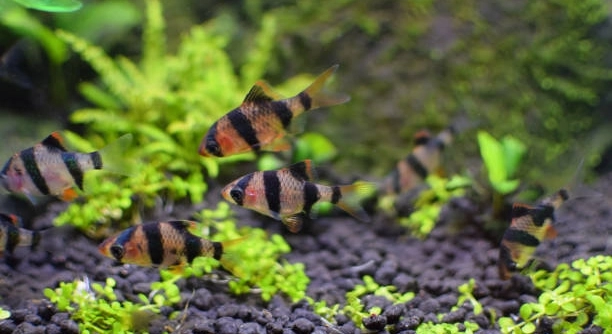
Are your tiger barbs acting restless or showing signs of stress in their tank? Small environmental changes can sometimes affect their behavior more than you might expect. One of those factors includes the lighting in their habitat.
Tiger barbs need consistent lighting to maintain a stable day-night cycle, which supports their internal rhythms, behavior, and overall health. Inconsistent lighting can lead to stress, disrupted sleep, and aggression, especially in a community aquarium setting.
Lighting plays a bigger role than you might think, especially when it comes to behavior and daily routines in a fish tank.
Why Consistent Lighting Matters for Tiger Barbs
Lighting helps tiger barbs feel safe and stable in their environment. They follow a natural rhythm based on light and dark periods, just like many animals. When lighting is consistent, it supports their feeding schedule, rest time, and general activity levels. Fish kept in tanks with irregular or unpredictable lighting can become stressed, which often shows through changes in behavior. You might notice increased aggression, loss of appetite, or constant hiding. A regular light schedule allows tiger barbs to develop a balanced routine. It also helps support the tank’s biological cycle, aiding plant growth and algae control. Using a timer makes it easier to stick to a schedule. Most aquarists recommend about 8 to 10 hours of light each day, followed by a full period of darkness to mimic natural day and night cycles. Creating this stable environment helps reduce stress and supports long-term health for your tiger barbs.
Avoid placing the tank near windows or areas with inconsistent light.
A good balance of light and dark allows tiger barbs to stay active during the day and rest peacefully at night. Without it, their internal rhythm can get out of sync, leading to unwanted stress and behavioral changes.
How to Create a Reliable Lighting Schedule
Use a basic timer to control your tank’s light cycle. This removes the guesswork and keeps things consistent even when you’re not home.
Lighting should match a natural daytime schedule, typically around 8 to 10 hours of light per day. This gives your tiger barbs enough active time without overstimulating them. Try to turn the light on in the morning and off in the evening at the same time each day. Avoid leaving the light on 24/7—it can cause stress and disturb sleep patterns. On the other hand, too little light can disrupt feeding and lower their overall activity. If your tank includes live plants, proper lighting also helps them thrive, which contributes to a healthier setup. Make sure the light isn’t too bright or too dim. LED aquarium lights with adjustable settings work well and are energy efficient. Finally, avoid frequent changes in the lighting pattern. Sudden shifts can confuse your fish and impact their behavior. Keeping the routine steady helps them feel more secure and keeps aggression to a minimum.
Signs Your Tiger Barbs Are Affected by Poor Lighting
Changes in behavior are often the first signs that something isn’t right. Tiger barbs may become more aggressive, hide more than usual, or lose interest in food. These shifts can be linked to inconsistent or unsuitable lighting conditions.
If the lighting is too bright or constantly changing, tiger barbs may spend more time hiding behind plants or decorations. This isn’t just shyness—it often signals stress. You might also notice them darting around the tank more than usual, especially during sudden light shifts. Aggression toward tank mates can increase, especially in crowded tanks. Fish that used to swim actively in groups might start separating or acting territorial. Their colors may also fade slightly over time if the lighting setup doesn’t meet their needs. These are subtle but important signs that their lighting schedule may need adjusting to better support their daily rhythm and emotional stability.
Poor lighting can also disturb their sleep. Fish need a full dark period to rest. Without it, tiger barbs may appear more sluggish or less responsive during the day. Over time, their immune systems can weaken, making them more likely to get sick. A proper light-dark cycle helps maintain their natural behavior and physical health.
Choosing the Right Lighting Setup
Tank size and fish type matter when selecting your light. For tiger barbs, a soft, evenly distributed LED light works best. It avoids sharp brightness and supports a calm environment, especially in community tanks.
Stick with aquarium-specific LED lights designed for freshwater setups. These lights offer brightness control and are energy-efficient. Adjustable brightness is helpful because too much light can stress your tiger barbs, while too little can lead to inactivity. Avoid using general-purpose household lights, as they often lack proper coverage and may emit the wrong type of light. Always place the light above the tank and make sure it spreads evenly across the surface. If your tank has live plants, choose full-spectrum LED lighting to support their growth without overwhelming your fish. Use a reliable timer to automate the on/off cycle and reduce stress from human error. With the right setup, tiger barbs stay active, show vibrant colors, and interact peacefully with other fish.
Common Lighting Mistakes to Avoid
Leaving the aquarium light on all day and night is a common mistake. Without darkness, tiger barbs can become stressed, restless, and lose their natural rhythm. Over time, this may weaken their health and affect their behavior inside the tank.
Changing the lighting schedule too often can also be harmful. Sudden shifts confuse tiger barbs and can lead to aggression, hiding, or unusual swimming patterns. Consistency matters more than brightness or duration.
Do Tank Mates Affect Lighting Needs?
Tank mates don’t directly affect the lighting needs of tiger barbs, but their behavior can be influenced by shared lighting conditions. Peaceful fish may become anxious or aggressive if the lighting setup causes stress in the tank. For example, if tiger barbs become restless due to poor lighting, this can impact how they interact with other fish. Some tank mates, like bottom dwellers, prefer dimmer light and more shaded areas, so a balanced lighting setup is essential. Plants, décor, and hiding spots also help reduce tension caused by lighting. A shared, stable lighting routine benefits all fish in the tank.
Using Natural Light Carefully
Natural sunlight can create uneven lighting and lead to algae growth. Keep tanks away from windows or direct sunlight to maintain a controlled and stable light environment.
FAQ
How many hours of light do tiger barbs need daily?
Tiger barbs typically need about 8 to 10 hours of light each day. This amount mimics a natural day-night cycle, which helps maintain their internal rhythms and behavior. Too much light can cause stress, while too little can reduce activity and feeding.
Can I use a regular household light for my aquarium?
Regular household lights are not ideal because they usually lack the right spectrum and coverage for aquarium use. Aquarium-specific LED lights provide better control, proper brightness, and help maintain a healthy environment for both fish and plants.
What happens if the lighting schedule is inconsistent?
Inconsistent lighting disrupts tiger barbs’ internal clocks, leading to stress, aggression, and poor feeding habits. It can also disturb their sleep patterns, making them less active during the day and more prone to illness.
Is natural sunlight good for my tiger barbs?
Direct natural sunlight can cause uneven lighting and promote algae growth, which harms water quality. It’s best to avoid placing the tank near windows or in direct sunlight to maintain control over the light cycle.
Can too bright lighting harm my fish?
Yes, very bright lighting can stress tiger barbs and cause them to hide more or act aggressively. Soft, even lighting is better and helps them feel safe in their environment.
Do tiger barbs need darkness to sleep?
Tiger barbs do need a full dark period to rest properly. Without darkness, their sleep is disturbed, which affects their overall health and behavior.
How important is a timer for aquarium lighting?
A timer is very helpful for keeping a consistent lighting schedule. It ensures the lights turn on and off at the same time every day, reducing stress caused by human error or irregular routines.
Will inconsistent lighting affect my tank plants?
Yes, many live plants rely on consistent light to grow properly. Inconsistent lighting can stunt their growth or cause them to die, which affects the whole tank’s balance and the health of your fish.
Can lighting affect aggression in tiger barbs?
Poor lighting can increase aggression. When fish feel stressed due to inappropriate lighting, they may become territorial or attack tank mates. Consistent, moderate lighting helps reduce these behaviors.
Is there a best type of light for a tiger barb tank?
LED lights designed for freshwater aquariums are the best choice. They offer adjustable brightness and proper spectrum for both fish and plants while being energy efficient.
How do I know if my lighting is too dim?
If tiger barbs are inactive, lose color, or have reduced appetite, the lighting may be too dim. Make sure the light is bright enough but not overwhelming, and that the tank has a balanced light-dark schedule.
Should I turn off the light during feeding?
It’s better to keep lighting on during feeding times so tiger barbs can see their food clearly. However, the light should not be too bright to avoid stressing the fish.
Can sudden changes in lighting harm tiger barbs?
Sudden changes confuse tiger barbs and can cause stress or aggressive behavior. Always keep lighting changes gradual and consistent to maintain a stable environment.
Does tank size impact lighting needs?
Tank size affects how much light is needed to cover the entire area evenly. Larger tanks require stronger or multiple lights to ensure the whole environment is properly lit without dark spots.
Is it okay to use colored lights for tiger barbs?
Colored lights can be used for aesthetic purposes but should not replace natural-spectrum lighting. They may affect fish behavior if used too much or exclusively. Natural-spectrum LED lighting is best for health and behavior.
Final Thoughts
Lighting plays an important role in the health and behavior of tiger barbs. Consistent lighting helps maintain their natural daily rhythms, allowing them to feel secure and active. When the lighting is stable, tiger barbs are more likely to eat well, swim actively, and interact peacefully with other fish in the tank. On the other hand, irregular or too bright lighting can cause stress, leading to hiding, aggression, and poor health. Keeping a steady light schedule is a simple but effective way to support your tiger barbs’ well-being and create a balanced aquarium environment.
Using a timer is one of the easiest methods to ensure consistent lighting. It removes the guesswork and helps maintain the same light and dark periods each day. This regularity mimics natural conditions and supports the fish’s internal clock. When setting up your lighting, aim for about 8 to 10 hours of light daily followed by a full dark period. Avoid placing the tank where it will receive direct sunlight, which can cause uneven lighting and promote algae growth. Aquarium-specific LED lights are the best choice because they offer proper brightness, spectrum, and energy efficiency. Adjusting the light intensity to avoid extremes also helps reduce stress in your fish.
Finally, remember that lighting is just one part of a healthy aquarium setup. Proper water quality, diet, and tank mates also matter. A well-lit environment supports plants and helps create a natural habitat that encourages your tiger barbs to thrive. Paying attention to how your fish behave under different lighting conditions can give you clues about their comfort and health. With consistent care and the right lighting, your tiger barbs will be more likely to live long, active, and happy lives. Taking small steps to control lighting can make a big difference in your tank’s overall balance and your enjoyment of keeping these lively fish.

Hello,
If you enjoy the content that we create, please consider saying a "Thank You!" by leaving a tip.
Every little bit helps us continue crafting quality advice that supports the health, happiness, and well-being of pets around the world, for pets of all shapes, sizes, and species.
We really appreciate the kindness and support that you show us!