
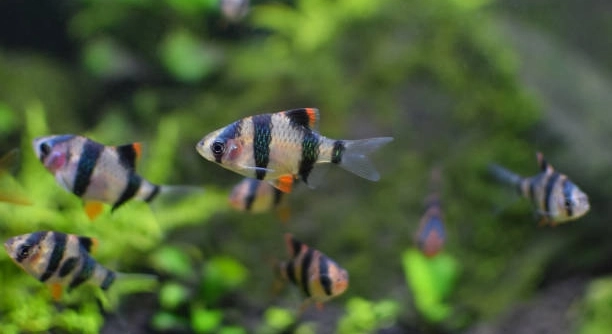
Is your barb tank starting to look a little too open, with fewer places for your fish to hide and feel secure?
A lack of sufficient hiding spots in a barb tank can lead to stress, aggression, and territorial disputes. Adding more cover—like plants, rocks, or decorations—helps maintain a balanced environment and supports the natural behavior of your barbs.
Creating a more secure setup will not only help with aggression but also improve the overall health and well-being of your barbs.
1. Increased Chasing and Nipping
Barbs are naturally active, but when hiding spaces are limited, their behavior can shift. If you notice frequent chasing or fin-nipping, especially toward weaker tank mates, it could mean your tank is too open. Hiding spaces help break lines of sight and reduce this type of behavior. Without enough shelter, dominant barbs become more territorial, often causing stress or injury to others. Even in schools, competition for control can rise, leading to a tense environment. Adding decorations like driftwood, caves, or leafy plants can create safe zones where fish feel more comfortable and less pressured to defend territory.
A lack of shelter often pushes more dominant fish to become aggressive while leaving others with no safe space to retreat.
Creating distinct hiding areas helps prevent stress and aggression. It also gives fish chances to explore or rest without being chased, improving the balance and behavior in your tank.
2. Fish Hovering in Corners
Barbs that are constantly hovering in corners may not feel secure. This behavior usually signals stress caused by an overly open environment with no proper shelter or resting areas.
When barbs don’t have access to dense foliage or decorations, they instinctively look for the next best place to hide, which often ends up being a tank corner. This behavior isn’t just a one-time reaction—it can become ongoing, affecting their appetite and making them more sensitive to disturbances. Adding visual barriers and plants provides comfort by giving them the option to retreat without isolation. In tanks with too much empty space, barbs are more exposed, making them feel vulnerable, especially in brightly lit setups. If your fish are frequently tucked into the corners, it’s time to rethink your layout. Introduce layers using tall plants in the back, mid-level driftwood, and low-lying moss to add both coverage and visual interest. Small changes like these can dramatically shift their behavior back to active and confident swimming.
3. Frequent Hiding Behind the Filter
If your barbs are hiding behind the filter often, it’s a sign they feel exposed. Filters aren’t meant to be shelters, but in the absence of better options, fish will use them as a last resort for cover.
This behavior is easy to overlook, especially if you’re used to seeing fish move around near the filter. However, when they cluster behind it for long periods, it’s usually out of stress or discomfort. The filter may offer some shelter from tank mates or bright lighting, but it’s not an ideal space. It’s narrow, close to current, and not a calm resting area. To fix this, add more intentional hiding spots throughout the tank—use broad-leaf plants, stacked stones, or hollow structures. These will give your barbs more natural and calming places to settle. With better options, they’ll stop retreating behind the equipment and behave more confidently.
Barbs often resort to hiding behind the filter when they don’t feel safe anywhere else. It can also mean there’s too much open space between decorations or that the lighting is too strong. Rearranging your layout to include more shaded, sheltered areas with both horizontal and vertical coverage can help reduce this behavior. Spread the cover throughout the tank so that no area feels overly exposed. Consistent hiding behind the filter shouldn’t be seen as quirky—it’s your barbs telling you they need more comfort in their environment. Once you respond with the right setup changes, they’ll start swimming freely again.
4. Restlessness During Lighting Hours
Restless behavior during the day often means your barbs are overexposed. Bright lighting with no cover causes them to stay in motion as a way to cope with stress. Stillness feels unsafe when there’s nowhere to hide.
Barbs enjoy moderate lighting, but tanks with little cover and strong lights create a harsh environment that makes them uncomfortable. If they never seem to rest, dart around more than usual, or only relax once the lights go off, the tank likely needs more visual shelter. Floating plants can help diffuse the lighting and create a calmer atmosphere. Combine them with dense midground plants or ornaments to give your fish both shade and places to hide. This setup mimics the more protected waters they’re used to in nature. A well-covered tank helps them settle down, swim calmly, and feel less exposed during lighting hours. It’s a simple fix that improves their behavior and health.
5. Fish Only Staying in One Area
When your barbs crowd into one small area of the tank, it usually means the rest of the space feels unsafe or too open. Limited cover discourages exploration and keeps them confined to wherever they feel the most protected.
This behavior can lead to stress over time, especially if multiple fish are sharing that single “safe” spot. It can also result in increased tension within the group. Adding more hiding spots throughout the tank helps spread out their movement and supports healthier interactions.
6. Barbs Start Losing Color
Barbs often lose their color when they’re stressed or overstimulated, and a lack of hiding spots is a common cause. Open tanks with few shaded areas expose fish to constant visual stress, leaving them with no time to rest or feel secure. Over time, this drains their energy and affects their health. Color loss is not just about looks—it can signal that the fish’s immune system is under pressure. Once more hiding options are added and the tank feels more natural, their color often returns. Dense plants, caves, and layered decor help build an environment where barbs can truly thrive.
7. Constant Swimming Against the Glass
Swimming against the glass repeatedly often shows discomfort. It’s a behavior linked to stress, overstimulation, or the feeling of being trapped without shelter or safe space.
FAQ
How many hiding spots should a barb tank have?
There’s no fixed number, but a good rule is to provide at least one solid hiding place for every two barbs. Spread these out across the tank using plants, driftwood, caves, and decorations. Avoid clustering everything in one area—barbs benefit from having options throughout the tank. Different levels (bottom, middle, top) should also offer cover. The goal is to make the entire tank feel safe, not just a corner or one zone. This setup helps reduce stress, spread out movement, and support more natural behavior in a community tank.
Can too many hiding spots be a problem for barbs?
Not usually. As long as there’s still open swimming space, adding lots of cover won’t harm your fish. Barbs are active swimmers, so balance is important. If the entire tank becomes too crowded with decorations, they may feel cramped and become irritable. Try to keep about 60–70% of the tank open for movement, with the rest filled in naturally with plants, rocks, or structures. Use open-ended hides like arches or tunnels to offer safety without limiting swimming space. Good hiding spots encourage healthier behavior and reduce the chance of aggression or stress-related illness.
What materials work best for hiding spots?
Live or silk plants, driftwood, ceramic caves, resin decorations, and stacked stones are all great options. Floating plants like hornwort or water lettuce are also helpful, especially for softening lighting. Try to mix textures and shapes so the fish can find shelter that suits their mood and size. Avoid sharp-edged decor and rough plastic plants, as these can damage fins. Stick to aquarium-safe materials—anything unsealed or not meant for aquariums can leach harmful chemicals into the water. If you’re unsure, check product labels or go with trusted brands designed for freshwater tanks.
Do hiding spots help with breeding behavior?
Yes, hiding spots can help encourage breeding. Barbs often seek shelter or shaded areas to spawn. Dense plants or fine-leaved foliage like java moss provide a soft surface for eggs to land on and hide from predators. Even if you’re not actively trying to breed your barbs, adding these features helps mimic natural conditions, which supports overall comfort and wellbeing. A tank that feels secure allows fish to act more naturally and may trigger healthy behaviors, including spawning and increased interaction within the group.
Should hiding spots be rearranged often?
Not too frequently. Once your barbs are settled, frequent changes can disrupt their sense of territory and increase stress. However, if aggression starts to rise or if fish are still showing signs of discomfort, a small adjustment can help. Rearranging a few items may break up established dominance zones. Just make changes gradually and give the fish time to adjust afterward. Watch their behavior closely—if they return to swimming confidently and exploring new areas, your changes likely helped.
Is a heavily planted tank enough, or do I need other decorations too?
A well-planted tank is a great start, but combining plants with solid structures offers more variety in hiding options. Barbs enjoy moving between leaves, but sometimes they need a more enclosed space. Use caves, tunnels, or stacked decor along with your plants to give depth and structure. Mixing both creates a more natural and visually appealing tank, with something for every mood or behavior. The more options your fish have, the more balanced and relaxed their behavior will be.
How do I know my tank setup is working?
Watch your barbs’ behavior. If they swim actively throughout the tank, show bright color, eat regularly, and rest calmly during the day, your setup is likely working well. You should also see more even spacing between fish, not constant clustering or hiding. A healthy tank has movement, rest, and interaction happening without constant aggression or distress signals. If something seems off, it usually means the environment needs adjustment. Adding or rearranging hiding spots is one of the simplest ways to support better health and behavior.
Final Thoughts
Barbs are active, curious fish, but they still need places to rest and feel safe. A tank without enough hiding spots can cause stress, aggression, and unusual behavior. When your barbs don’t feel secure, they may chase each other more, lose their color, or spend time in places they usually avoid—like corners or behind the filter. These signs are easy to miss if you’re not looking for them, but they tell you a lot about what your fish need. Paying attention to their behavior can help you create a better space for them.
Adding more hiding areas doesn’t mean you have to clutter your tank. The goal is to offer protection without taking away open space for swimming. Use live plants, smooth stones, and safe decorations to create cover at different levels of the tank. Spread these out so fish aren’t forced to gather in just one area. Floating plants can also help soften the light and make the tank feel calmer. Every tank is different, so finding the right balance between open space and shelter might take a few tries. Just keep observing how your barbs behave and adjust the layout based on what you see.
Creating a comfortable environment supports the health and behavior of your barbs. When they feel secure, they swim more freely, interact calmly, and display brighter colors. A good layout makes your tank not only look better but also feel better for your fish. The changes don’t need to be big—even a few new plants or decorations can make a difference. Over time, you’ll notice how these small changes lead to a more peaceful and balanced tank. Keeping your barbs happy starts with listening to what their behavior is telling you and making the environment match their needs.

Hello,
If you enjoy the content that we create, please consider saying a "Thank You!" by leaving a tip.
Every little bit helps us continue crafting quality advice that supports the health, happiness, and well-being of pets around the world, for pets of all shapes, sizes, and species.
We really appreciate the kindness and support that you show us!