
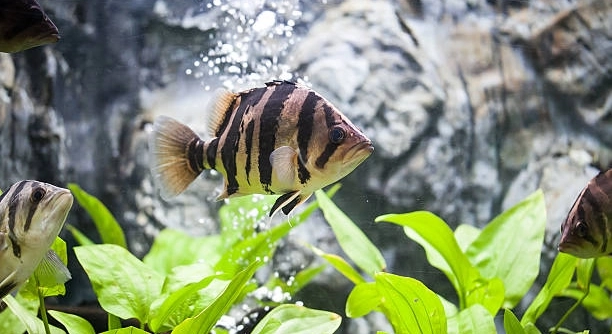
Do you ever find yourself watching your tiger barbs zip around the tank and wonder if they’re simply chasing each other for fun?
Tiger barbs follow each other for both social interaction and environmental stimulation. This behavior is part of their natural schooling instinct, helping reduce stress, establish hierarchy, and maintain group cohesion in a shared space.
This behavior may seem playful, but it has deeper roots in their biology and environment. Understanding their patterns can help you support healthier, more peaceful interactions in your aquarium.
Why Tiger Barbs Follow Each Other
Tiger barbs are active fish that naturally live in schools. In a home aquarium, they follow each other as a way to mimic that environment. Schooling helps them feel safe, reduces stress, and encourages movement. It’s also a way for them to interact and communicate through body signals. If you’ve noticed one leading while others trail behind, that’s normal. They may be exploring, feeding, or simply playing out social dynamics. This behavior is not only common but important to their mental and physical health. Keeping them in groups of six or more supports their natural behavior and reduces aggression.
Following behavior helps tiger barbs stay alert, synchronized, and socially balanced. It’s a natural part of their daily routine and signals a healthy group dynamic.
Tiger barbs are also territorial and social at the same time. When housed properly, their following behavior becomes a fun and harmless activity to observe. Sometimes it may look like chasing, but this often reflects energy, not aggression. If the tank is large enough and has plenty of cover, the fish will have space to move without causing stress. By staying in groups, they maintain a sense of structure. This social bond prevents boredom and encourages a more active, engaging tank environment.
When Following Becomes a Problem
If following behavior turns into constant chasing, your tank may be overcrowded or poorly structured. This can increase stress in the group.
A lack of space or imbalance in numbers can cause tension among tiger barbs. These fish do best in schools of six or more, and having fewer can cause one or two to become aggressive. If some fish are constantly being chased or hiding, that’s a sign the group dynamic is off. Adding more barbs, providing plants or hiding spots, and ensuring enough swimming space can help calm things down. It’s also important to avoid mixing tiger barbs with long-finned or slow-moving species, as this can trigger nipping or territorial behavior. Watching their interactions closely will help you catch problems early. Making a few adjustments to the tank can turn chasing into healthy following again. Keep a balanced group and a well-decorated tank to support their natural social instincts.
How Tank Setup Affects Following Behavior
Tank size, layout, and hiding spots directly influence how tiger barbs behave. A crowded or bare tank often leads to stress and increased chasing. A well-decorated tank helps them feel safe and encourages healthy schooling behavior.
Tiger barbs need room to swim and space to avoid conflict. A tank of at least 20 gallons is recommended for a small group, but bigger is always better. Add plants, driftwood, or rocks to create natural breaks in sight lines. These features give the fish places to rest and reduce tension. They also help fish who are being followed constantly to escape briefly, which can lower overall aggression. Keeping decorations balanced across the tank ensures that no single area becomes too crowded. The more comfortable the fish feel, the more natural and relaxed their schooling behavior becomes.
Lighting and water flow also matter. Tiger barbs enjoy moderate current and consistent lighting cycles. Avoid strong lights or still water, as these can cause discomfort and stress. Filtration should be efficient but not overpowering. Water conditions should be stable, with proper pH and temperature ranges suited to tropical freshwater fish. When conditions are right, tiger barbs are more likely to exhibit peaceful schooling behavior instead of chasing. Environmental comfort leads to better group dynamics and less tension in the tank.
The Role of Personality in Schooling Behavior
Just like people, individual tiger barbs have different temperaments. Some are natural leaders, while others prefer to follow.
In a group of tiger barbs, you might notice one or two fish always leading the rest. These more dominant fish often explore new areas first or show more energy during feeding. On the other hand, some barbs prefer to stay near the group without drawing attention. This variation is normal and helps the group balance itself. A mix of bold and calm fish creates a more stable environment. Recognizing these differences can help you better understand their behavior and avoid mislabeling it as aggression.
If one fish becomes overly aggressive, it might be reacting to stress, illness, or poor tank conditions. Monitoring their interactions helps you spot when personality shifts into problematic behavior. Introducing new barbs gradually can also help balance energy levels within the group. Over time, each fish usually finds its place in the school. A stable and varied group creates a healthier tank, with less stress and more natural schooling patterns. Giving them space, proper care, and attention to their behavior supports a peaceful and active group dynamic.
Signs the Following Is Becoming Aggression
If a tiger barb chases the same fish nonstop, nips fins, or corners others, that’s more than just playful following. These signs suggest stress or dominance.
Another sign is when fish start hiding more often, stop eating, or show faded colors. These changes can mean the group dynamic is off.
How to Reduce Aggressive Following
Start by checking tank size and group numbers. A school that’s too small or a tank that’s too cramped often leads to stress and chasing. Make sure you have at least six tiger barbs and plenty of space for them to swim freely. Add plants or decorations to give fish hiding spots and places to escape. This helps reduce conflict and gives each fish room to move. If chasing continues, check water conditions and feeding routines. Consistent care helps keep their behavior balanced. Rearranging the tank layout can also break up territories and improve how the group interacts.
When to Separate a Fish
If one barb continues to bully others despite changes, it may need to be removed temporarily or permanently. Constant stress affects the whole tank.
Why do tiger barbs follow each other?
Tiger barbs follow each other as part of their natural schooling behavior. This instinct helps them feel secure and stay alert to potential threats. Following also supports social interaction within the group, reducing stress and promoting a stable hierarchy. In an aquarium, this behavior shows their need to stay connected and communicate through movement.
Is following always a sign of play or fun?
Not always. Following can be playful, but it may also be related to establishing dominance or territory. When the behavior becomes persistent chasing or fin-nipping, it usually signals stress or imbalance in the tank. Healthy following is balanced, with fish taking turns leading and not targeting one individual excessively.
How many tiger barbs should be kept together?
At least six tiger barbs are recommended to encourage natural schooling and reduce aggression. Smaller groups often cause fish to become more territorial and aggressive. Larger groups help spread out dominance behaviors and create a more peaceful environment overall.
Can tank size affect following behavior?
Yes, tank size plays a big role. A tank that is too small can cause stress and increase chasing as fish compete for space. Providing at least 20 gallons for a small group gives tiger barbs enough room to swim freely and avoid constant contact, which helps keep their following behavior healthy and less aggressive.
What tank decorations help reduce aggression?
Plants, rocks, and driftwood create hiding spots and visual barriers. These decorations break the line of sight and reduce stress by giving fish places to rest or escape when needed. A well-decorated tank also supports natural behavior by mimicking their natural environment.
How does personality affect following?
Individual tiger barbs have different temperaments. Some are naturally more dominant and tend to lead the group, while others prefer to follow quietly. This mix creates balance in the school. However, if one fish becomes too aggressive, it can disrupt the group dynamic and cause stress.
What should I do if chasing turns into fin-nipping?
Fin-nipping indicates aggression and stress. First, check if the tank is overcrowded or if the group is too small. Add more hiding spots and ensure good water quality. If the behavior continues, consider separating the aggressive fish to protect the others.
Do tiger barbs follow other species too?
Tiger barbs may follow other active fish, but they prefer their own kind for schooling. Mixing them with slower or long-finned fish can cause stress and aggression. Keeping them with similar-sized, fast-moving species helps maintain peaceful interactions.
Can feeding influence following behavior?
Yes, feeding time often increases following as fish compete for food. Regular feeding schedules and spreading food evenly across the tank can reduce aggressive chasing. Overfeeding or underfeeding can also cause stress, so balanced nutrition is important.
How can I tell if my tiger barbs are stressed?
Signs of stress include constant chasing, hiding, loss of color, and reduced appetite. If these behaviors appear, check water parameters, tank size, group composition, and decorations. Addressing these factors quickly helps restore a healthy environment.
Is it okay to add new tiger barbs to an established group?
Adding new fish should be done gradually to avoid disrupting the existing hierarchy. Introduce new barbs slowly and watch for signs of aggression. Rearranging the tank layout before adding new fish can help reduce territorial behavior and ease their acceptance.
What water conditions do tiger barbs prefer?
Tiger barbs thrive in tropical freshwater with a temperature of 74-79°F, pH between 6.5 and 7.5, and moderate hardness. Stable, clean water supports their health and behavior, reducing stress that could lead to aggression or excessive following.
How does lighting affect their behavior?
Moderate lighting mimics their natural habitat and helps regulate their daily activity. Too bright or too dim lighting can cause stress or lethargy, which may impact their social behavior. A consistent light cycle of about 10-12 hours per day works best.
Can following behavior change as tiger barbs grow?
Yes, younger tiger barbs tend to be more playful and active in following. As they mature, their social structure becomes clearer, and dominant fish may assert control. Behavior changes are normal but should remain balanced without excessive aggression.
Is it necessary to monitor tiger barbs regularly?
Regular observation helps catch early signs of stress or aggression. Monitoring their interactions ensures the group remains healthy and allows for timely adjustments in tank conditions, group size, or environment to maintain peaceful schooling behavior.
Tiger barbs naturally follow each other as part of their schooling behavior. This instinct helps them feel safe and stay connected within their group. When kept in the right environment, this following behavior looks like a healthy social interaction. It is important to provide enough space and proper tank conditions so that the fish can swim comfortably and maintain a balanced group dynamic. A well-maintained tank reduces stress and supports their natural behavior, making following more relaxed and less aggressive.
Sometimes, following can turn into chasing or aggression if the tank setup or group size is not ideal. Small tanks or groups that are too small often cause tension among tiger barbs. Adding enough hiding spots and decorations can help break up lines of sight and give fish places to rest or escape. This reduces conflict and helps the group stay peaceful. Watching how your fish interact will help you understand when the following is natural and when it might be a sign of stress. Taking steps to adjust the tank or group can improve their behavior and overall health.
Ultimately, understanding the needs and social nature of tiger barbs helps create a better home for them. Their following behavior is not just about fun but is a vital part of their life as schooling fish. By keeping them in suitable groups and providing a proper environment, you support their well-being and encourage peaceful interactions. Paying attention to their behavior and making small changes when needed will lead to a happier, healthier aquarium for your tiger barbs.

Hello,
If you enjoy the content that we create, please consider saying a "Thank You!" by leaving a tip.
Every little bit helps us continue crafting quality advice that supports the health, happiness, and well-being of pets around the world, for pets of all shapes, sizes, and species.
We really appreciate the kindness and support that you show us!