
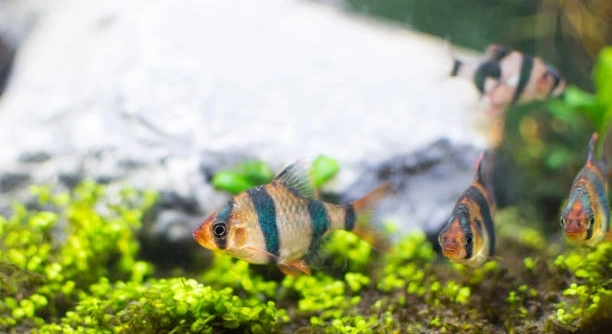
Is your barb fish swimming in circles, darting oddly, or acting restless in the tank more often than usual lately?
Strange swimming patterns in barbs are commonly caused by poor water quality, swim bladder issues, stress, infections, overfeeding, environmental changes, or parasites. Each factor can disrupt normal behavior and signal an underlying health problem.
By learning what causes these changes, you can make better choices for your fish and create a safer, more stable aquarium environment.
Poor Water Quality
When your barb’s water isn’t clean, it can quickly lead to strange and erratic swimming. Barbs are sensitive to changes in their environment, especially toxins like ammonia and nitrite. If the filter isn’t working properly, or water changes are skipped, waste builds up and stresses the fish. Cloudy water, algae growth, or a foul smell are often signs that the water quality is off. Even when water looks clear, it may still contain harmful levels of chemicals. Regularly testing the water and keeping nitrate levels low helps your barbs stay active and calm. Sudden movements or jerky swimming may improve once the water is balanced again. Always dechlorinate tap water and maintain steady temperatures. Consistency is key.
Barbs exposed to poor conditions can become sluggish or hyperactive, depending on the chemical imbalances affecting them.
Testing the water weekly and performing regular partial water changes are simple steps that help protect your fish from unnecessary stress or illness.
Swim Bladder Issues
When your barb swims sideways, struggles to maintain depth, or floats oddly, the problem may be with its swim bladder.
Swim bladder problems affect a fish’s ability to control buoyancy. This internal organ helps fish stay level in the water without using much energy. When it’s inflamed or damaged, swimming becomes difficult. Overfeeding is a common trigger. When barbs eat too fast or too much, it puts pressure on the bladder and affects their movement. Constipation or infections can also contribute to the issue. Offering easily digestible food like skinned peas can help, especially if bloating is involved. Fasting the fish for a day or two often gives the digestive system time to reset. In more severe cases, antibacterial treatment or adjusting the diet long-term might be needed. If a fish is still struggling after trying these changes, a vet with experience in aquatic animals can offer more precise guidance. Early care often leads to better outcomes.
Stress from Tank Mates
Barbs are active, semi-aggressive fish, and keeping them with incompatible tank mates can cause constant stress. Chasing, fin-nipping, or overcrowding often leads to erratic swimming or hiding behavior.
Stress from tank dynamics can change how your barb swims. If they’re constantly darting or staying near the surface, they may be trying to escape conflict. Mixing barbs with slow or long-finned fish can lead to tension. They feel most comfortable in groups of six or more of their own kind. This schooling behavior helps them feel secure and reduces aggression. Rearranging tank decorations can sometimes ease tension by breaking up territories. If barbs seem unusually active or skittish, observe how they interact with others. You may need to rehome certain fish or increase your group size. A peaceful tank setup keeps barbs healthy and stable.
Noise, lighting, and sudden movements near the tank can also raise stress levels. Keep the environment calm and stable.
Overfeeding
Feeding your barbs too much can affect both their digestion and their swimming. Uneaten food sinks, breaking down and polluting the tank. This can also lead to bloating and irregular behavior.
Barbs are eager eaters and will often keep eating even when they’re full. This makes it easy to overfeed them without realizing it. Overfeeding causes digestion issues, including constipation and swim bladder pressure, which can lead to unusual swimming. Feeding them once or twice a day in small amounts is enough. Only offer what they can eat in two to three minutes. Consider skipping feeding once a week to support digestion. Use high-quality pellets or flakes, and avoid greasy or overly rich treats. Remove leftover food quickly to prevent water contamination. If you notice floating or sluggish barbs, try reducing portions and watch for improvement. Healthy feeding habits help your fish stay balanced and move naturally in their tank.
Bacterial or Parasitic Infections
Infections can affect a barb’s ability to swim normally. Internal bacteria or parasites can cause inflammation, weakness, and balance issues. Look for signs like clamped fins, white spots, or excessive rubbing against objects.
Treating infections early with the right medication is important. Quarantine the affected fish and follow dosage instructions carefully.
Sudden Environmental Changes
Quick changes in temperature, pH, or water hardness can shock your barb. They may swim frantically or become lethargic if conditions change too fast. Always match new water to the tank’s current parameters before adding it, and avoid making sudden adjustments during cleaning or maintenance.
Injury
Barbs can injure themselves on rough decorations, sharp plants, or from fights. An injured fish may swim with a tilt, avoid others, or move less. Watch their behavior closely and remove anything that might have caused harm.
FAQ
Why is my barb swimming in circles nonstop?
Swimming in circles can be caused by stress, neurological issues, or damage to the swim bladder. It may also be a reaction to poor water quality or bullying from other fish. If the behavior is sudden, check for environmental changes. Testing water parameters should be your first step. If everything checks out, observe social interactions in the tank. Barbs feeling threatened or disoriented may exhibit circular swimming. Remove aggressive tank mates and provide hiding spots to reduce stress. If symptoms persist, consider isolating the fish and starting a gentle antibacterial treatment.
Can poor lighting affect my barb’s swimming behavior?
Yes, lighting plays a role in fish behavior. Barbs thrive in a stable light cycle that mimics day and night. Sudden or irregular lighting can disorient them and lead to erratic swimming. Avoid turning lights on and off abruptly. Instead, use a timer to maintain consistency. Bright or flashing lights can cause stress, especially in smaller tanks. Low light is generally fine as long as it’s steady and doesn’t completely disrupt their activity cycle. A stressed barb may swim nervously or hide if the lighting feels unnatural or too harsh.
How do I know if my barb has a swim bladder issue?
Look for signs like floating near the surface, sinking to the bottom, or swimming upside down. Swim bladder problems often affect buoyancy. A fish with this issue may struggle to stay upright or appear to wobble. Overfeeding is a common trigger. If you notice these behaviors, avoid feeding for a day and offer a peeled pea the next day to ease digestion. If symptoms improve, continue with smaller, well-balanced meals. If not, the fish may need further care or treatment depending on the cause, such as infection or injury.
Should I quarantine a barb showing strange swimming patterns?
Yes, isolating a fish with abnormal behavior is usually a good idea. Quarantine allows you to monitor symptoms more closely and prevents possible spread of illness. Use a separate tank with clean, cycled water and gentle filtration. Keep lighting and noise minimal to reduce stress. Observe the fish for any signs of infection, bloating, or skin issues. If medication is needed, treating one fish is simpler and safer in a separate space. A two-week observation period is generally enough to see if symptoms improve or worsen.
What should I feed my barb if I suspect digestive issues?
If your barb shows signs of bloating or erratic swimming, stop feeding for 24 hours. After the fast, offer a small amount of skinned, cooked pea. This helps clear blockages. Avoid flakes or pellets during this time, as they may worsen the problem. Once behavior normalizes, feed high-quality, low-fat pellets in small amounts twice a day. Overfeeding should be avoided going forward. You can also rotate in foods like daphnia or frozen bloodworms once a week to support variety and better digestion.
Can barbs recover from odd swimming behavior?
Yes, many causes of strange swimming are treatable. Once the underlying issue is corrected—whether water quality, diet, tank mates, or health problems—barbs often return to normal behavior. The key is identifying the issue early. If they respond to changes in care, that’s a good sign. Keep their tank stable, avoid overcrowding, and offer a balanced diet. Most barbs are hardy and bounce back well if given the right environment and attention. However, if symptoms persist for more than a week, further diagnosis or veterinary care may be needed.
Final Thoughts
Strange swimming patterns in barbs can be worrying, but they often point to something that can be fixed with a few changes. Most of the time, the issue is related to stress, water conditions, feeding, or tank setup. Taking a close look at their environment is the best place to start. Test the water regularly, avoid sudden changes, and feed small portions at consistent times. Watch how your barbs interact with each other. Their behavior often reveals signs of discomfort before it becomes a serious problem. Keeping their surroundings calm, stable, and clean goes a long way in helping them stay healthy.
Barbs are active and social fish, and when something is off, they tend to show it through how they swim. Erratic movement, floating strangely, or hiding more than usual are all signs that something may be wrong. These changes should not be ignored, even if the fish seems fine otherwise. Acting quickly gives your fish a better chance of recovery. Whether the cause is overfeeding, an infection, or stress from poor tank mates, small corrections often bring noticeable improvement. You don’t need to change everything at once, but regular observation and gentle care make a big difference in your barb’s well-being.
Caring for barbs becomes easier when you understand their needs and behavior. Strange swimming is not always a sign of something serious, but it should always be taken seriously. Making simple changes like adjusting the diet, checking the tank filter, or giving your barbs more space can help prevent future issues. Quarantining sick fish when needed and maintaining a routine for cleaning and feeding helps maintain balance. These fish are hardy and respond well to steady care. By watching for early signs and responding calmly, you can help your barbs stay active, social, and comfortable in their environment.

Hello,
If you enjoy the content that we create, please consider saying a "Thank You!" by leaving a tip.
Every little bit helps us continue crafting quality advice that supports the health, happiness, and well-being of pets around the world, for pets of all shapes, sizes, and species.
We really appreciate the kindness and support that you show us!