
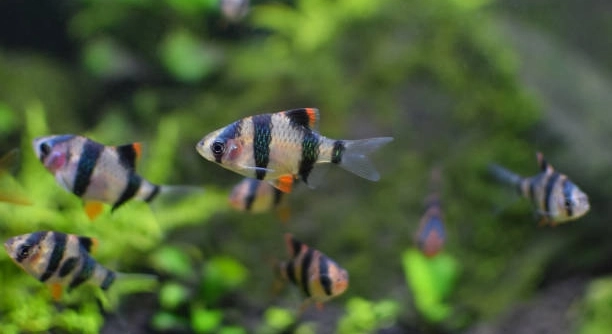
Tiger Barbs are lively fish often seen swimming actively in community tanks. Sometimes, however, they may spend time at the bottom, which can seem unusual for these energetic swimmers. Understanding this behavior helps in caring for them better.
Tiger Barbs might sit at the bottom due to stress, illness, poor water quality, or lack of oxygen. These conditions affect their health and energy, making them less active and causing them to stay low in the tank.
Knowing the reasons behind this behavior can improve your fish’s well-being and create a healthier environment for them.
Common Health Issues That Cause Tiger Barbs to Stay at the Bottom
Tiger Barbs may stay near the bottom when they are experiencing health problems. One of the most frequent issues is swim bladder disorder, which affects their ability to control buoyancy. This makes it hard for them to swim properly, so they stay low to avoid struggling. Another reason can be parasitic or bacterial infections, which weaken the fish and reduce their activity. Sometimes, poor water conditions cause stress or sickness. Ammonia or nitrite levels that are too high can irritate the fish and make them less active. It’s important to watch for signs like faded colors, clamped fins, or unusual swimming patterns. Early detection can help prevent serious problems and improve the fish’s comfort. Keeping the tank clean and stable helps Tiger Barbs stay healthy and active, avoiding the need to rest at the bottom due to discomfort.
When Tiger Barbs show signs of illness, immediate care is essential. Treatment often includes water changes and medication.
Health problems can be managed with proper diagnosis and care. Regular tank maintenance and monitoring water parameters keep fish healthy. Watching behavior closely allows quick action if issues arise. A stable environment supports their energy and activity, so they swim freely instead of hiding at the bottom. Providing a balanced diet and avoiding overcrowding also improves overall health. Taking small steps daily ensures Tiger Barbs remain lively and well. A healthy fish is less likely to sit at the bottom or show signs of distress.
How Water Quality Affects Tiger Barb Behavior
Poor water quality is a major reason Tiger Barbs may stay near the bottom of the tank. Fish rely on clean, well-oxygenated water to thrive. If the water is dirty or the oxygen level is low, Tiger Barbs can become stressed and weak. This causes them to lose energy and settle near the bottom where movement requires less effort. Waste buildup, leftover food, and dead plants can all harm water quality quickly. Testing water regularly for ammonia, nitrite, nitrate, and pH levels helps identify problems early. Maintaining a proper filtration system is key to keeping the tank environment safe. Even small changes in water conditions can affect Tiger Barbs more than other fish, so it’s important to act fast. Good water quality supports their natural behavior and helps them stay active throughout the tank.
Regular water changes and proper filtration improve oxygen levels and reduce harmful substances. Testing water weekly allows quick adjustments before fish health suffers. Adding live plants can also help keep water balanced. Avoid overfeeding, which increases waste and dirties the tank. A clean environment lets Tiger Barbs swim comfortably at all levels. Consistency in water care prevents stress and keeps the fish energetic. Observing how fish react to water changes gives clues about their comfort. Well-maintained water promotes long-term health and reduces the chance of Tiger Barbs hiding or resting near the bottom due to discomfort or illness.
Stress and Its Impact on Tiger Barbs
Stress often causes Tiger Barbs to stay near the bottom. Changes in their environment or aggressive tankmates can make them feel unsafe. Stress lowers their immune system and energy.
Tiger Barbs are social fish but can become stressed by overcrowding or incompatible tankmates. Aggressive or larger fish may intimidate them, causing hiding behavior. Even sudden changes like new decorations, lighting, or water temperature shifts can upset them. Stress affects appetite and activity levels, so stressed fish might stay low to conserve energy. Reducing stress means keeping a balanced tank with compatible species and stable conditions. Giving Tiger Barbs enough space and hiding spots helps them feel secure and encourages normal swimming behavior.
Recognizing stress early is important for preventing illness. Observing your Tiger Barbs’ interactions and environment regularly lets you catch problems before they worsen. Adjusting tank conditions, improving water quality, or rearranging tankmates can reduce stress. Providing a calm, stable habitat helps fish stay healthy and active, avoiding prolonged bottom-dwelling behavior linked to fear or discomfort.
Feeding Habits and Bottom Sitting Behavior
Tiger Barbs sometimes stay at the bottom during feeding times to search for leftover food. This behavior is natural and not usually a concern.
They are active feeders who often pick food from the substrate. Uneaten flakes or pellets that sink encourage bottom-level feeding. This can look like they prefer the bottom, but they often swim elsewhere afterward. However, if they only stay at the bottom and avoid other areas, it could signal a problem. Proper feeding amounts and varied diet keep them energetic and balanced. Watching their eating habits helps ensure they get enough nutrition and remain healthy.
Feeding routines affect activity levels. Overfeeding or poor diet can cause sluggishness, making fish rest more. Feeding small, frequent meals and including live or frozen foods supports good health. This keeps Tiger Barbs active and prevents extended time spent sitting at the bottom without reason.
Tank Setup and Its Role in Tiger Barb Behavior
The layout of a tank can influence where Tiger Barbs spend their time. Lack of hiding spots or too much open space may make them feel insecure and stay near the bottom.
Providing plants, rocks, or decorations offers shelter and reduces stress. A well-arranged tank encourages natural swimming patterns and exploration. Without these, Tiger Barbs might avoid upper areas and stay low for safety.
Temperature Effects on Tiger Barbs
Water temperature affects Tiger Barb activity. Temperatures outside their ideal range (74-79°F) can make them lethargic or stressed. Consistently monitoring and maintaining the correct temperature helps keep them active and comfortable in the tank.
Tank Mates Influence on Behavior
Aggressive or territorial tank mates may force Tiger Barbs to stay at the bottom. Choosing compatible species reduces conflict and promotes a peaceful environment where Tiger Barbs can swim freely.
Lighting and Its Impact
Too bright or inconsistent lighting can stress Tiger Barbs, causing them to hide or remain near the bottom. Adjusting light levels to suit their comfort helps promote normal activity.
FAQ
Why do Tiger Barbs suddenly start sitting at the bottom?
Tiger Barbs may suddenly stay at the bottom because of sudden changes in their environment. This could include water quality issues, temperature shifts, or the introduction of new tankmates. Stress or illness often causes this behavior. It’s important to check water parameters and observe other symptoms to find the cause quickly.
Can poor water conditions make Tiger Barbs stay at the bottom?
Yes, poor water conditions like high ammonia, nitrite, or nitrate levels can make Tiger Barbs weak and stressed. Low oxygen in the water also causes them to rest at the bottom. Regular water testing and maintenance prevent these problems and keep fish healthy.
Is swim bladder disease the only illness that causes bottom sitting?
Swim bladder disease is common but not the only illness causing this behavior. Bacterial infections, parasites, and general weakness can also make Tiger Barbs stay near the bottom. Watch for additional signs like discoloration, clamped fins, or lack of appetite for proper diagnosis.
How can I reduce stress for Tiger Barbs in my tank?
Stress can be reduced by keeping stable water conditions, avoiding overcrowding, and choosing compatible tankmates. Providing hiding places and maintaining a consistent feeding schedule helps fish feel secure. Minimizing sudden changes in lighting or temperature also lowers stress levels.
Should I be worried if Tiger Barbs sit at the bottom during feeding?
Not always. Tiger Barbs naturally pick food from the bottom, so some bottom sitting during feeding is normal. However, if they only stay at the bottom and avoid swimming elsewhere, it might indicate stress or health problems. Monitor their overall behavior closely.
Can tank setup affect Tiger Barbs’ swimming habits?
Yes, tank layout plays a role in fish behavior. A tank with few hiding spots or too much open space can cause Tiger Barbs to stay low for safety. Adding plants, rocks, or decorations gives them places to hide and explore, encouraging natural activity.
What temperature is best for Tiger Barbs to stay active?
Tiger Barbs prefer water between 74°F and 79°F. Temperatures outside this range can cause lethargy or stress. Using a reliable heater and thermometer helps keep the temperature stable, which supports healthy activity levels.
Can aggressive tankmates cause Tiger Barbs to hide at the bottom?
Yes, aggressive or territorial fish can intimidate Tiger Barbs, causing them to hide or stay near the bottom to avoid conflict. Selecting peaceful or similarly sized species helps create a calm environment where Tiger Barbs feel safe.
How often should I test water to keep Tiger Barbs healthy?
Testing water weekly is a good practice. Regular checks for ammonia, nitrite, nitrate, and pH help catch problems early. Consistent water changes and filtration maintenance based on test results keep the tank safe for your fish.
Does lighting affect Tiger Barb behavior?
Bright or inconsistent lighting can stress Tiger Barbs, leading them to hide or stay near the bottom. Adjusting light intensity and providing a day-night cycle helps fish feel comfortable and encourages normal swimming patterns.
What diet helps keep Tiger Barbs active?
A varied diet with high-quality flakes, pellets, and occasional live or frozen foods keeps Tiger Barbs healthy and energetic. Avoid overfeeding to prevent water quality issues and sluggishness. Balanced nutrition supports their natural behavior and energy levels.
How can I tell if a Tiger Barb is sick?
Signs of illness include sitting at the bottom for long periods, loss of appetite, faded colors, clamped fins, rapid breathing, and unusual swimming. Early recognition and treatment improve recovery chances and prevent spread if contagious.
What steps should I take if my Tiger Barb stays at the bottom for days?
First, test and improve water quality. Check temperature and tank conditions. Observe other fish and behavior for signs of illness. Quarantine sick fish if possible and consult a vet or aquarium specialist for medication and treatment advice.
Is it normal for Tiger Barbs to rest at the bottom sometimes?
Yes, fish rest at the bottom occasionally, especially at night or after feeding. It becomes a concern only when it is frequent, prolonged, or combined with other signs of stress or illness. Watching overall behavior helps determine normal versus problematic rest.
Can overcrowding cause bottom sitting behavior?
Overcrowding increases stress, competition for food, and poor water quality, which can all cause Tiger Barbs to stay at the bottom. Keeping a proper fish count for your tank size prevents these issues and supports healthy activity.
Final thoughts on why Tiger Barbs might sit at the bottom of the tank focus on understanding their needs and environment. These fish are usually active swimmers, so seeing them rest near the bottom can indicate something is wrong. It is important to consider several factors that could cause this behavior. Health issues like swim bladder problems or infections can make it hard for them to swim properly. Poor water quality, including high levels of ammonia or low oxygen, can also make Tiger Barbs weak and less active. Stress from aggressive tankmates, sudden changes, or lack of hiding places may cause them to seek safety at the bottom. Observing your fish regularly helps spot problems early before they get worse.
Taking care of Tiger Barbs means keeping their tank conditions stable and comfortable. Regular water testing and changes help maintain good water quality, which is essential for their health. The temperature should be kept within the right range, usually between 74°F and 79°F, to prevent lethargy or stress. Providing a tank setup with plants, decorations, and hiding spots reduces stress and encourages natural behavior. Feeding a balanced diet with varied food keeps them energetic and supports their immune system. Avoid overcrowding and choose peaceful tankmates to prevent bullying or fear. These small steps improve the overall well-being of Tiger Barbs and help them stay active throughout the tank.
It is normal for Tiger Barbs to rest near the bottom occasionally, but if this happens often or for long periods, it is a sign to check on their health and environment. Paying close attention to their behavior, appetite, and appearance can help identify issues early. If a fish is sick, it is important to take action quickly, such as improving water quality, adjusting the tank setup, or seeking treatment advice. Keeping a clean, stable, and well-maintained aquarium is the best way to ensure your Tiger Barbs thrive and show their usual lively behavior. Understanding these factors helps provide a better home for your fish and keeps them healthy and happy.

Hello,
If you enjoy the content that we create, please consider saying a "Thank You!" by leaving a tip.
Every little bit helps us continue crafting quality advice that supports the health, happiness, and well-being of pets around the world, for pets of all shapes, sizes, and species.
We really appreciate the kindness and support that you show us!