
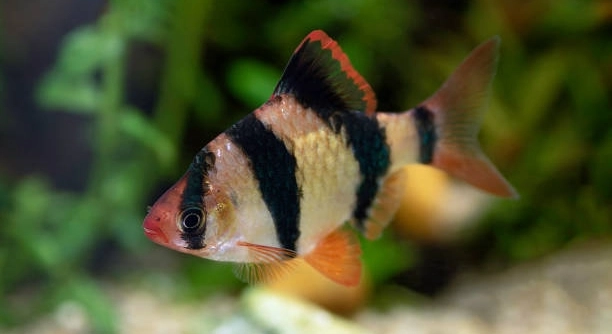
Tiger Barbs are popular aquarium fish known for their bright colors and active behavior. Many owners notice a distinct tail flicking motion that these fish often display. Understanding this behavior can help keep your aquarium peaceful and healthy.
Tiger Barbs flick their tails primarily as a form of communication and territorial display. This tail movement signals dominance, stress, or warnings to other fish, helping maintain social order within their environment. It is an essential part of their natural interaction.
This article will explain why tail flicking occurs and how it affects your fish’s behavior and tank dynamics.
Reasons Behind Tail Flicking in Tiger Barbs
Tail flicking in Tiger Barbs can mean several things depending on the context. Often, it is a way to communicate with other fish around them. When a Tiger Barb flicks its tail, it may be signaling dominance or trying to warn others to keep their distance. This behavior also happens when the fish feels stressed or threatened. In some cases, it is part of their natural routine to establish territory within the tank. Watching closely can help you understand if the flicking is frequent or only happens during certain interactions. Tail flicking is usually not a sign of illness but a normal behavior to manage social relationships among the fish.
This tail flicking helps Tiger Barbs maintain balance within their group. It works as a visual cue that keeps aggression under control. By flicking their tails, they avoid more serious fights.
Keeping an eye on these signs will allow you to create a calmer environment for your fish. Knowing when flicking shows stress versus normal behavior helps you respond better.
How Tail Flicking Affects Tank Dynamics
Tail flicking can influence how other fish behave in the same tank. It can sometimes cause tension, especially if the fish feels threatened too often. When Tiger Barbs flick their tails repeatedly, it may upset more timid fish or increase competition. This can lead to stress and less harmony among your aquarium residents.
However, this behavior also helps establish clear social roles. It prevents constant fighting by setting boundaries early. Understanding this can help you arrange your tank to reduce conflicts. Providing enough space and hiding spots can minimize tail flicking caused by stress. When fish feel secure, they tend to flick less, creating a more peaceful tank. Observing your Tiger Barbs’ flicking patterns gives clues about their comfort levels and how well your tank environment supports their social needs.
Tail Flicking as a Stress Indicator
Tail flicking can be a sign that Tiger Barbs are feeling stressed. Stress may come from overcrowding, poor water quality, or aggressive tank mates. Recognizing this behavior early can help prevent health issues.
When Tiger Barbs experience stress, their tail flicking becomes more frequent and intense. This can indicate discomfort or agitation. Stress weakens their immune system, making them vulnerable to disease. Tank conditions like dirty water or too many fish increase stress levels. Sometimes, incompatible fish cause constant tail flicking due to territorial disputes. Watching your fish’s behavior closely can help you identify if stress is the cause. Taking action quickly by improving water quality or adjusting the tank setup helps reduce stress and tail flicking.
Reducing stress improves your Tiger Barbs’ overall health. Ensuring proper tank size, clean water, and peaceful companions lowers the chances of excessive tail flicking. It also helps your fish live longer, happier lives.
Tail Flicking in Social Hierarchies
Tail flicking plays an important role in establishing social order among Tiger Barbs. It is used to show dominance and submission in their group. This behavior helps keep peace without constant fighting.
When a Tiger Barb flicks its tail at others, it is often marking its place in the hierarchy. Fish lower in rank may respond by backing down or flicking less. This creates a balance that prevents serious aggression. Dominant fish use tail flicking to remind others of their status. New additions to the tank may flick their tails more while finding their position. This natural behavior is vital for group stability, helping reduce stress and injury. Knowing how to support your fish’s social structure leads to a healthier tank environment.
Tail Flicking and Feeding Behavior
Tiger Barbs often flick their tails when excited or competitive during feeding times. This signals eagerness or alerts others to food nearby.
This flicking can sometimes lead to brief bursts of chasing or mild aggression as they compete for food. It’s a natural response to mealtime.
Tail Flicking as a Warning Signal
Tail flicking acts as a warning to other fish to back off or stop unwanted behavior. It helps avoid physical confrontations by sending a clear message.
Fish that ignore these signals may face increased aggression, so tail flicking plays a key role in maintaining peace in the tank.
When to Be Concerned About Tail Flicking
If tail flicking is constant and paired with other signs like loss of appetite or hiding, it may indicate illness or severe stress.
Monitoring your fish’s overall behavior helps determine if the flicking is normal communication or a sign of a problem. Early action is important.
Why do Tiger Barbs flick their tails so often?
Tail flicking is a natural behavior for Tiger Barbs used to communicate with other fish. It can show dominance, stress, or signal warnings to others. Flicking helps them manage social order and avoid physical fights in the tank. When they flick often, it usually means they are interacting actively or feeling uneasy.
Is tail flicking a sign of aggression?
Yes, tail flicking can indicate aggression, especially when directed at other fish. It’s often a way for Tiger Barbs to claim territory or assert dominance. However, flicking alone doesn’t always mean a fight will happen. It’s more of a warning or a way to keep peace by showing strength without physical harm.
Can tail flicking hurt other fish?
Tail flicking itself doesn’t physically hurt others, but it can lead to chasing or nipping if the warning is ignored. The flick acts as a signal to back off, so other fish usually avoid escalating conflicts. If aggression continues, injuries may occur, but tail flicking by itself is harmless.
Does tail flicking mean the fish is stressed?
Tail flicking can be a sign of stress, especially if it happens often and alongside other symptoms like hiding, rapid breathing, or loss of appetite. Stress may come from overcrowding, poor water quality, or aggressive tank mates. It’s important to check the environment and conditions if flicking becomes frequent.
How can I reduce tail flicking caused by stress?
Improving tank conditions helps reduce stress-related flicking. Make sure the tank is large enough for your fish, maintain clean water, and provide plenty of hiding spots. Avoid overcrowding and keep compatible fish together. These steps create a calm environment where tail flicking for stress is less common.
Is tail flicking a normal part of feeding behavior?
Yes, Tiger Barbs often flick their tails during feeding. It signals excitement or competition for food. This behavior can lead to brief chasing as fish compete but is normal. Keeping a balanced diet and feeding small amounts more often helps reduce aggressive feeding flicks.
Should I separate fish that flick their tails a lot?
Not always. Tail flicking is usually normal communication and social behavior. However, if flicking leads to constant aggression, injuries, or stress in other fish, separating or rearranging the tank might be necessary. Observe the interactions carefully before making changes.
Can tail flicking indicate illness?
Tail flicking alone rarely means illness. But if combined with symptoms like lethargy, discoloration, or loss of appetite, it could signal health problems. Sick fish may flick their tails more due to discomfort. In that case, testing water quality and consulting a vet or expert is advised.
Do Tiger Barbs flick their tails to attract mates?
Tail flicking is not primarily a mating behavior for Tiger Barbs. They use other displays during breeding, like body coloration and swimming patterns. Tail flicking is mostly related to social interaction and communication within their group.
How can I tell if tail flicking is normal or a problem?
Normal tail flicking happens during social interactions or feeding and is balanced with calm behavior. Problematic flicking is constant, intense, or paired with stress signs like hiding or aggression. Knowing your fish’s usual behavior helps you spot when flicking indicates a problem.
What tank conditions promote healthy behavior in Tiger Barbs?
Tiger Barbs thrive in clean water, temperatures between 74-79°F (23-26°C), and a tank with plenty of space and hiding spots. Keeping the tank well-maintained and avoiding overcrowding reduces stress and aggressive tail flicking.
Can adding plants or decorations reduce tail flicking?
Yes, adding plants and decorations provides hiding places and breaks sight lines. This reduces tension and gives fish spots to retreat, lowering aggressive tail flicking. A well-decorated tank promotes natural behavior and calmer fish.
How many Tiger Barbs should be kept together to minimize tail flicking?
Keeping Tiger Barbs in groups of at least six helps spread out aggression and reduce stress. Smaller groups may cause more frequent tail flicking and fighting. A larger school balances social behavior, making tail flicking less intense.
Does tail flicking change with the fish’s age?
Younger Tiger Barbs may flick their tails more often as they establish social rank. Older fish tend to flick less once the hierarchy is set. Tail flicking usually decreases as fish become comfortable in their environment.
Can tail flicking damage the fish’s tail?
Tail flicking itself does not cause damage. However, constant stress or fighting triggered by flicking can lead to fin damage. Keeping the tank peaceful and addressing aggression early protects your fish’s tails and fins.
Tail flicking is a common behavior in Tiger Barbs that helps them communicate with each other. It is mostly a natural way for these fish to show their feelings, such as dominance, stress, or warnings to others in the tank. Understanding this behavior can make it easier to care for Tiger Barbs and keep a peaceful environment. Tail flicking is not usually harmful by itself, but it can sometimes lead to more active interactions like chasing or mild aggression. Watching how often and when your fish flick their tails can give you useful information about their well-being and social dynamics.
It is important to pay attention to other signs along with tail flicking. For example, if the fish are hiding more than usual, losing their appetite, or showing signs of illness, the tail flicking could be a sign of stress or a health problem. Stress in Tiger Barbs can come from many sources, such as overcrowded tanks, poor water quality, or incompatible tank mates. Taking steps to improve these conditions usually reduces excessive tail flicking and helps the fish feel safer and healthier. Providing enough space, clean water, and places to hide can make a big difference in reducing stress-related behaviors.
Overall, tail flicking is a normal and useful part of how Tiger Barbs live together. It helps them avoid serious fights and keeps their social order clear. By learning what causes tail flicking and how to respond, you can create a better home for your fish. Keeping an eye on their behavior and the tank’s conditions will help you spot any problems early. This way, your Tiger Barbs can thrive and show their natural colors and lively personalities with less stress and more harmony.

Hello,
If you enjoy the content that we create, please consider saying a "Thank You!" by leaving a tip.
Every little bit helps us continue crafting quality advice that supports the health, happiness, and well-being of pets around the world, for pets of all shapes, sizes, and species.
We really appreciate the kindness and support that you show us!