
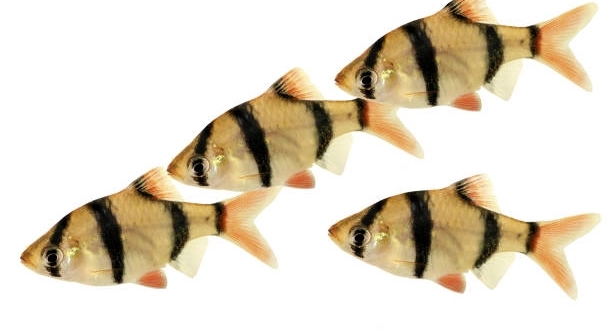
Tiger barbs, mollies, and tetras are popular choices for home aquariums. Each species has unique behaviors and environmental needs that can affect how well they live together. Understanding their compatibility helps create a balanced and peaceful tank environment.
Tiger barbs can coexist with mollies and tetras if the aquarium is large enough and there are plenty of hiding spaces. However, tiger barbs’ semi-aggressive nature may cause stress to more peaceful species, so careful monitoring and tank setup are essential.
Learning about their interactions and tank requirements can help you maintain a healthy community aquarium. This article covers important points to consider for keeping these fish together successfully.
Behavior and Temperament of Tiger Barbs
Tiger barbs are known for their active and sometimes aggressive behavior. They tend to nip the fins of slower or more peaceful fish, which can cause stress or injury. Mollies and tetras are generally peaceful species, so they may become targets if the tank is too small or lacks hiding spots. Providing ample space and decorations like plants and rocks can help reduce aggression by giving fish places to retreat. Tiger barbs are schooling fish, so keeping them in groups of six or more can also help diffuse their energy and reduce bullying. Understanding the natural temperament of each species is essential for a harmonious aquarium.
Aggression in tiger barbs decreases significantly in larger, well-structured tanks with adequate hiding places.
Proper tank setup and fish grouping are key to minimizing conflicts and ensuring all species feel secure and stress-free.
Tank Setup and Environment
Mollies, tetras, and tiger barbs have slightly different water preferences but can live comfortably in similar conditions. The ideal water temperature ranges between 74°F and 79°F, and the pH should be kept between 6.5 and 7.5. Maintaining clean water through regular filtration and water changes is essential to keep all fish healthy. Decorations such as plants, caves, and driftwood create hiding spots and reduce territorial disputes. Tank size plays a crucial role; a minimum of 30 gallons is recommended when mixing these species. Overcrowding increases stress and aggression, so keeping the fish count within reasonable limits is important for maintaining balance in the aquarium.
By providing a stable and enriched environment, the risk of aggressive behavior decreases, making it easier to keep tiger barbs with mollies and tetras successfully.
Feeding Habits and Diet Compatibility
Tiger barbs, mollies, and tetras have similar dietary needs, mainly requiring a balanced diet of flakes, pellets, and occasional live or frozen foods.
Tiger barbs are omnivores and enjoy a varied diet that includes protein-rich foods like bloodworms or brine shrimp. Mollies prefer more plant matter but also eat protein sources, while tetras mainly eat flakes and small live foods. Feeding them a mix of quality commercial food and occasional treats keeps all fish healthy and vibrant. It’s important to avoid overfeeding, as leftover food can pollute the tank and stress the fish.
Keeping feeding times consistent and monitoring the amount given ensures all species get enough nutrition without competition becoming a problem. Feeding at multiple spots can reduce aggression during meal times, especially with tiger barbs present.
Monitoring Fish Behavior Over Time
Observing how tiger barbs interact with mollies and tetras regularly is crucial for a peaceful aquarium. Aggression may appear suddenly or increase over time, especially during breeding or if the tank is overcrowded. Pay attention to fin nipping or hiding behavior that could indicate stress.
If aggression becomes severe, separating the fish or increasing hiding places may be necessary. Adding more tank mates of the same species can sometimes reduce bullying by spreading out aggression. Keeping the water clean and stable also helps reduce stress-related behavior changes.
Regular monitoring helps catch potential problems early, allowing adjustments to the tank setup or fish groupings. This vigilance supports a healthier environment where all species can thrive peacefully together.
Tank Size Recommendations
A minimum tank size of 30 gallons is recommended when keeping tiger barbs with mollies and tetras. Larger tanks reduce aggression by providing more space for swimming and hiding.
Overcrowding increases stress and aggressive behavior, so maintaining proper stocking levels is essential for harmony among these species.
Water Quality Maintenance
Regular water changes and efficient filtration are necessary to maintain good water quality. Clean water helps prevent stress and disease in all fish species.
Monitoring ammonia, nitrite, and nitrate levels ensures a healthy environment that supports the wellbeing of tiger barbs, mollies, and tetras.
Choosing Compatible Tank Mates
Selecting peaceful and similarly sized tank mates helps maintain balance. Avoid slow or long-finned fish, as tiger barbs may nip at them.
Community fish like danios or rasboras can be better companions for tiger barbs, mollies, and tetras in a shared aquarium.
Stress Prevention Tips
Providing plenty of plants and hiding spots reduces stress by giving fish safe places to retreat.
Maintaining consistent water parameters and a stable environment helps fish feel secure and less prone to aggressive behavior.
FAQ
Can tiger barbs live peacefully with mollies and tetras?
Yes, tiger barbs can live with mollies and tetras if the tank is large enough and well-planted. Providing hiding places and keeping tiger barbs in groups of six or more helps reduce their aggressive behavior. However, their semi-aggressive nature means some fin-nipping might still occur.
What tank size is best for keeping these fish together?
A tank of at least 30 gallons is recommended. This size gives enough space for tiger barbs to swim actively without stressing more peaceful species like mollies and tetras. Overcrowding increases aggression and stress, so avoid keeping too many fish.
How can I reduce aggression among tiger barbs?
Keep tiger barbs in groups of six or more to spread aggression among themselves. Adding plenty of plants, rocks, and caves offers hiding spots for mollies and tetras. Feeding the fish at multiple locations also helps reduce competition and bullying.
What water conditions do these fish need?
Tiger barbs, mollies, and tetras thrive in temperatures between 74°F and 79°F with a pH of 6.5 to 7.5. Regular water changes and good filtration keep water clean and stable, which reduces stress and disease risks.
Are there specific feeding tips for this community?
Feed a balanced diet of high-quality flakes or pellets suited for omnivores, supplemented with live or frozen foods like bloodworms or brine shrimp. Feed small amounts two to three times daily and avoid overfeeding to maintain water quality.
Will tiger barbs nip the fins of mollies or tetras?
Tiger barbs are known fin nippers, especially toward slow-moving or long-finned fish. Mollies and tetras usually swim faster and can avoid most nipping, but some minor fin nipping might occur if the tank is small or lacks hiding spots.
How often should I monitor fish behavior?
Regular observation, ideally daily, helps detect early signs of stress or aggression. Look for hiding, torn fins, or unusual swimming patterns. Early intervention, like adding decorations or rearranging fish groups, can prevent serious conflicts.
Can adding more tank mates help reduce aggression?
Sometimes adding more fish of the same species, especially tiger barbs, can reduce aggression by dispersing attention. However, overcrowding can cause stress, so always balance the number of fish with tank size and filtration capacity.
What signs indicate stress in mollies or tetras?
Signs include hiding excessively, faded colors, clamped fins, and loss of appetite. These symptoms often result from bullying, poor water quality, or inadequate tank conditions and should be addressed promptly to avoid illness.
Is it necessary to separate fish if aggression increases?
If aggression causes injury or continuous stress, separating the aggressive fish or providing a divided tank section may be necessary. Adjusting the environment or upgrading to a larger tank often helps resolve problems without removal.
Can tiger barbs, mollies, and tetras breed in a community tank?
Mollies and tetras may breed in community tanks, but tiger barbs are less likely to do so due to their active behavior. If breeding occurs, protect the fry by providing dense plants or a separate breeding tank.
What plants work best to reduce aggression?
Fast-growing plants like Java fern, Anubias, and hornwort provide excellent cover. Floating plants also create shaded areas that help shy fish feel secure. Dense vegetation reduces visibility and limits chasing behavior.
How do I keep the water quality stable with multiple species?
Use a reliable filter rated for the tank size and perform partial water changes weekly or biweekly. Test water parameters regularly to catch any imbalances early. Avoid overfeeding and remove uneaten food promptly.
Are there alternative peaceful tank mates for tiger barbs?
Yes, other active and similarly sized fish like danios and rasboras make good tank mates. Avoid slow, long-finned species that attract nipping. Always research new fish compatibility before adding them.
What should I do if fin nipping becomes severe?
Increase hiding spaces and add more tiger barbs to distract aggressive individuals. Consider rearranging the tank layout to break up established territories. If problems persist, separating the nippers may be necessary for the health of other fish.
How often should I clean the tank when keeping these fish?
Regular partial water changes of 20-25% weekly help maintain water quality. Clean the filter media as needed, but avoid complete cleaning at once to preserve beneficial bacteria. A clean tank promotes healthier, less stressed fish.
Keeping tiger barbs with mollies and tetras in the same aquarium can work well if you take the right steps. Each species has its own needs and behaviors that affect how they interact. Tiger barbs are more active and sometimes aggressive, while mollies and tetras tend to be peaceful. To create a balanced environment, it’s important to provide enough space and hiding spots for all fish. A tank of at least 30 gallons is ideal. This helps reduce stress and aggression by giving each fish room to swim and places to retreat. The more you understand these fish, the better you can meet their needs.
Water quality and tank setup play a big role in keeping this mix peaceful. Regular water changes and good filtration keep the water clean and healthy for all species. Proper temperature and pH levels should be maintained consistently to avoid stress. Adding plants, rocks, and other decorations creates hiding spots that help fish feel safe. These spots are especially important for mollies and tetras, which may be targeted by tiger barbs if they feel exposed. Also, keeping tiger barbs in groups of six or more can reduce their tendency to bully other fish. Careful feeding habits, such as spreading out food and avoiding overfeeding, support a calm tank atmosphere.
Monitoring your fish regularly helps catch any problems early. Look for signs of stress or aggression, like torn fins or excessive hiding. If aggression grows, you may need to adjust the tank environment or separate fish to protect the more peaceful species. Patience and attention to detail go a long way in creating a community tank where tiger barbs, mollies, and tetras can coexist. With proper care, these fish can live together in harmony, bringing movement and color to your aquarium. Taking these steps ensures a healthy, balanced, and enjoyable home for all your aquatic pets.

Hello,
If you enjoy the content that we create, please consider saying a "Thank You!" by leaving a tip.
Every little bit helps us continue crafting quality advice that supports the health, happiness, and well-being of pets around the world, for pets of all shapes, sizes, and species.
We really appreciate the kindness and support that you show us!