
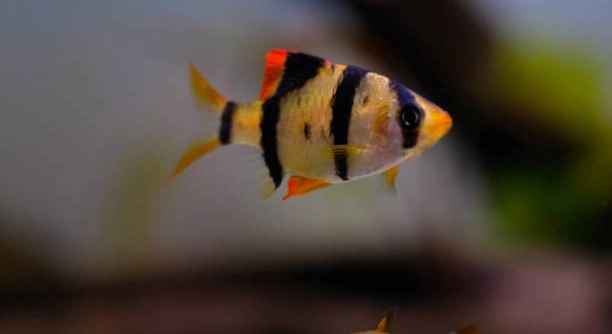
Tiger barbs are lively, colorful fish that brighten many home aquariums. However, they can sometimes show signs of stress that affect their health and behavior. Knowing how to calm a stressed tiger barb is important for keeping them happy and thriving.
Calming a stressed tiger barb involves creating a stable environment with proper water conditions, avoiding sudden changes, providing adequate hiding spots, and minimizing aggressive tank mates. These measures reduce stress and promote the fish’s overall well-being.
Learning how to support your tiger barb’s comfort will help you maintain a peaceful aquarium and enjoy your fish’s natural beauty.
Keep Water Conditions Stable
Maintaining stable water conditions is essential for calming a stressed tiger barb. Sudden changes in temperature, pH, or ammonia levels can cause discomfort and anxiety in these fish. Regularly test your aquarium water to ensure it stays within the recommended range: temperature between 74°F and 79°F, pH around 6.5 to 7.0, and ammonia and nitrite at zero. Perform partial water changes weekly to keep the environment clean and reduce harmful substances. Avoid adding chemicals or treatments unless absolutely necessary, as these can sometimes cause more stress. Keeping the water steady and clean creates a comfortable space where your tiger barbs feel safe and less prone to stress.
Proper water maintenance prevents many common health problems in tiger barbs. They are sensitive fish that react quickly to poor water quality.
Consistent water quality supports your fish’s immune system and behavior. It reduces signs of stress like hiding, loss of color, and erratic swimming. By regularly monitoring and adjusting the water, you create a calm tank environment where tiger barbs can thrive peacefully.
Provide Plenty of Hiding Spots
Tiger barbs feel safer when they have places to hide. Dense plants, rocks, or decorations give them shelter from tank mates and sudden movements outside the tank. This sense of security lowers their stress levels and encourages natural behavior.
Adding hiding spots improves their comfort and reduces aggression.
Avoid Overcrowding
Too many fish in a tank can quickly raise stress levels for tiger barbs. Overcrowding causes competition for food, space, and oxygen, making the environment tense.
Keeping the number of fish appropriate for your tank size helps reduce aggression and stress. Tiger barbs are active swimmers, so they need enough room to move freely. A good rule is one inch of fish per gallon of water. This space prevents territorial disputes and allows each fish to establish its own area. Overcrowded tanks also lead to faster waste buildup, which affects water quality and fish health. By managing the population carefully, you create a balanced and calm aquarium.
Proper stocking also makes it easier to maintain clean water and monitor individual fish for health issues. The right number of tank mates supports peaceful interactions and lowers the chance of stress-related problems.
Keep a Balanced Diet
Feeding tiger barbs a balanced diet contributes to their overall well-being and stress reduction. Variety is important to provide all the necessary nutrients they need for energy and health.
High-quality flake food, supplemented with live or frozen foods like brine shrimp and bloodworms, keeps their diet interesting and nutritious. Avoid overfeeding, which can cause water quality problems and lead to obesity. Feed small amounts two to three times daily, giving only what they can eat in a few minutes. A well-fed tiger barb shows brighter colors and active behavior. Proper nutrition helps maintain a strong immune system, making fish less vulnerable to stress and disease.
Regular feeding routines create a sense of security and predictability in the tank. This consistency lowers anxiety and promotes calm behavior among tiger barbs.
Minimize Loud Noises and Vibrations
Tiger barbs are sensitive to loud noises and vibrations near their tank. These disturbances can cause them to dart around nervously or hide for long periods.
Keeping the aquarium in a quiet, stable spot away from heavy foot traffic or loud appliances helps reduce stress and creates a peaceful environment.
Maintain Proper Lighting
Lighting affects tiger barbs’ mood and activity. Too bright or constantly changing lights can upset their natural rhythm and increase stress. Use a regular light schedule with about 8 to 10 hours of light daily. This simulates their natural environment and helps them feel secure. Dimming the lights or providing shaded areas with plants can also give them a chance to rest comfortably during brighter hours.
Avoid Sudden Tank Changes
Sudden changes in the tank, like rearranging decorations or introducing new fish quickly, can alarm tiger barbs.
FAQ
How can I tell if my tiger barb is stressed?
Signs of stress in tiger barbs include hiding more than usual, losing their bright colors, swimming erratically, or refusing to eat. You might also notice them rubbing against objects or gasping at the surface. These behaviors often mean their environment isn’t comfortable or something is wrong with water quality or tank mates.
What is the best tank size for tiger barbs?
A minimum of 20 gallons is recommended for a small group of tiger barbs. They are active swimmers and do better in groups of at least six, so enough space is necessary to avoid overcrowding and reduce stress.
Can tiger barbs live with other fish?
Yes, but choose tank mates carefully. Tiger barbs are semi-aggressive and may nip fins. Peaceful fish that are fast or have similar temperaments work best. Avoid slow-moving or long-finned fish to reduce aggression.
How often should I do water changes?
Perform partial water changes of about 20-30% weekly. This keeps the water clean and balanced, reducing harmful toxins. Regular maintenance is key to lowering stress in tiger barbs.
What should I feed my tiger barbs?
A balanced diet includes high-quality flake food supplemented with live or frozen foods like brine shrimp or bloodworms. Feeding small amounts 2-3 times a day prevents overfeeding and maintains water quality.
Is it normal for tiger barbs to nip each other?
Some fin-nipping is normal as part of their social behavior. However, excessive aggression or injury means stress or overcrowding. Providing hiding spots and enough space helps reduce this behavior.
How do I reduce aggression in tiger barbs?
Keeping them in groups of six or more helps spread aggression evenly. Avoid overcrowding and maintain stable water conditions. Providing hiding places and distractions like plants also reduces fighting.
Can sudden changes harm my tiger barbs?
Yes, sudden changes in water temperature, pH, or tank decorations can stress tiger barbs. Always make changes slowly and carefully to let them adjust without anxiety.
Why is my tiger barb hiding a lot?
Hiding often signals stress, illness, or poor tank conditions. Check water parameters, tank mates, and ensure there are enough hiding spots. If hiding continues, observe for illness or injury.
How important is lighting for tiger barbs?
Proper lighting helps regulate their behavior. Too bright or inconsistent light can cause stress. A steady light cycle of 8-10 hours daily mimics natural conditions and supports their health.
What are common signs of illness in tiger barbs?
Look for faded colors, clamped fins, lethargy, loss of appetite, or white spots. Early detection and water quality control are important to treat illnesses and reduce stress.
How can I introduce new fish to my tank without stressing tiger barbs?
Introduce new fish slowly by quarantining them first. Add them during calm times and rearrange decorations beforehand to reduce territorial behavior. Monitor the tank closely after adding new fish.
Are tiger barbs sensitive to noise?
Yes, loud noises and vibrations can frighten them. Place the tank in a quiet area away from household disturbances to keep them calm.
Can overfeeding cause stress?
Overfeeding leads to poor water quality and obesity, both of which stress tiger barbs. Feed small amounts that are eaten within a few minutes, and remove uneaten food promptly.
What water parameters are ideal for tiger barbs?
Keep temperature between 74°F and 79°F, pH from 6.5 to 7.0, and ammonia and nitrites at zero. Stable water conditions are essential to reduce stress and keep tiger barbs healthy.
Final Thoughts
Taking care of tiger barbs means paying close attention to their environment and behavior. These fish can brighten any aquarium with their lively colors and active swimming. However, they can also become stressed if conditions are not right. Stress in tiger barbs shows through changes in their behavior and health, so it is important to watch them carefully. By keeping the water clean and stable, providing enough space, and avoiding sudden changes, you help your fish stay calm and healthy.
Creating a comfortable space for your tiger barbs is key. This includes adding hiding spots with plants or decorations, which give them places to feel safe. Keeping the tank quiet and free from loud noises or strong vibrations also helps reduce stress. Feeding a balanced diet with variety supports their health and keeps them active. Overfeeding or poor nutrition can make them weak and more vulnerable to illness. A good feeding routine, combined with regular tank maintenance, creates a stable and predictable environment that tiger barbs respond to positively.
Remember, tiger barbs are social fish and do best in groups, so avoid overcrowding but keep them with enough companions to spread out any aggression. Pay attention to water temperature, pH, and cleanliness, and introduce new fish carefully to avoid upsetting the tank’s balance. Stress can be managed by simple daily care and watching for any signs that something is wrong. With patience and consistent care, your tiger barbs will thrive and bring energy and color to your aquarium for a long time.

Hello,
If you enjoy the content that we create, please consider saying a "Thank You!" by leaving a tip.
Every little bit helps us continue crafting quality advice that supports the health, happiness, and well-being of pets around the world, for pets of all shapes, sizes, and species.
We really appreciate the kindness and support that you show us!