
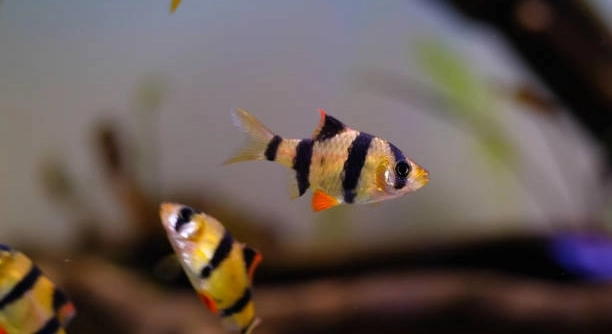
Many people enjoy keeping Tiger Barbs because of their bright colors and active nature. These fish usually appear lively and social in a well-maintained aquarium. However, sometimes their behavior can change in subtle ways that may indicate stress or sadness.
Tiger Barbs may show signs of depression through lethargy, loss of appetite, hiding, or changes in swimming patterns. These symptoms often reflect poor water conditions, lack of stimulation, or social issues within the tank.
Recognizing these signs early can help improve your fish’s well-being and prevent further health problems. Understanding your Tiger Barb’s behavior is key to keeping it happy and healthy.
Changes in Swimming Behavior
When a Tiger Barb is feeling down, you might notice it swimming less or in an unusual way. Normally, these fish are active and like to swim in groups. If one suddenly starts staying at the bottom or floating near the surface, it could mean something is wrong. They might also swim alone, away from the others. These behaviors suggest the fish is stressed or unhappy. Poor water quality or lack of space can make them behave like this. It is important to check your tank’s environment and make sure conditions are right. Providing enough room and keeping the water clean can help bring your Tiger Barb back to normal activity.
Swimming changes are often an early sign of distress in Tiger Barbs.
A healthy Tiger Barb swims confidently and interacts with its tank mates. Watch for any slow or erratic movements as a sign to check your fish’s health.
Loss of Appetite
A Tiger Barb that loses interest in food may be showing signs of depression. When fish are stressed or sick, they often stop eating or eat less than usual. This can weaken their immune system and make them vulnerable to illness. Poor water conditions or loneliness can also cause this behavior. Make sure to feed your fish a balanced diet and observe if they eat regularly. If they refuse food for several days, it is a sign to act quickly. Sometimes changing their environment or adding tank mates can improve their mood and appetite.
If your Tiger Barb is not eating, it needs your attention.
Feeding is more than just nutrition; it reflects how your fish feels. A lack of appetite means your Tiger Barb might be struggling with its surroundings or health. Try improving tank conditions or offering fresh food to encourage eating. Monitoring their eating habits regularly will help keep them healthy.
Hiding More Than Usual
Hiding frequently can mean your Tiger Barb feels unsafe or stressed. These fish usually swim openly, so constant hiding is unusual behavior.
When Tiger Barbs hide often, it may be due to poor water quality, aggressive tank mates, or lack of places to feel secure. Stress causes them to seek shelter more. Providing plants or decorations can help create safe spots and reduce anxiety. Check water parameters to ensure a healthy environment. If the tank is overcrowded or has aggressive fish, consider rearranging or separating them. Addressing these issues will encourage your Tiger Barb to swim freely again.
Consistent hiding might also indicate illness. Watch closely for other signs like changes in color or behavior, which need immediate care.
Color Fading
Color fading is a clear sign your Tiger Barb is not feeling well. Healthy Tiger Barbs have bright, vibrant colors that fade when stressed or unwell.
Faded colors can result from poor water conditions, stress, or nutritional deficiencies. Ensuring clean water, proper diet, and a calm tank environment helps maintain their bright appearance. Sometimes illness or parasites also cause dull colors, so monitor your fish closely. If fading continues despite good care, seek advice from an aquatic specialist. Bright colors reflect a healthy, happy fish, so maintaining this is key to their overall wellness.
Loss of Social Interaction
Tiger Barbs are social fish that usually swim in groups. If one starts isolating itself, it may be feeling stressed or depressed.
Lack of social interaction can affect their mood and health. Keeping them in groups helps prevent loneliness and promotes natural behavior.
Erratic Swimming Patterns
Erratic swimming, such as sudden darting or spinning, often signals discomfort or illness. It may result from poor water quality, parasites, or stress. Observing your fish’s environment and behavior carefully is important. Correcting water conditions and removing stressors can help your Tiger Barb return to calm swimming.
Lethargy
Lethargy shows as slow movement or long periods of inactivity. It often points to underlying health issues or poor tank conditions.
How can I tell if my Tiger Barb is really depressed or just sick?
Depression in Tiger Barbs often shows through changes in behavior like hiding, loss of appetite, or lack of social interaction. Illness, on the other hand, may include physical signs such as spots, swelling, or damaged fins. If your fish is hiding but also shows physical changes, illness might be the cause. When behavior changes without clear physical symptoms, it could be stress or depression due to the environment. Testing water quality and observing for illness signs can help distinguish the cause. Treating both stress and illness early improves your fish’s chances of recovery.
What are the main causes of depression in Tiger Barbs?
Stress from poor water conditions, overcrowding, aggressive tank mates, and lack of stimulation are common reasons for depression. A tank that is too small or dirty can make your fish uncomfortable. Social needs also matter; Tiger Barbs are active schooling fish, so isolation or an improper group size can cause sadness. Boredom from a dull environment without plants or hiding spots might also contribute. Regular tank maintenance and attention to social needs are key to preventing these issues.
Can changing the tank environment help a depressed Tiger Barb?
Yes, improving the tank environment can greatly help. Adding plants and decorations creates hiding spots that reduce stress. Keeping water clean and maintaining stable parameters like temperature and pH supports good health. Ensuring the right number of Tiger Barbs (usually at least six) helps fulfill their social needs. Removing aggressive fish or separating fish that cause bullying also improves mood. Small changes can make a big difference in encouraging natural behavior and reducing signs of depression.
How important is water quality for a Tiger Barb’s mental health?
Water quality is very important. Poor water conditions cause stress, which affects your fish’s mood and immune system. High ammonia, nitrite, or nitrate levels are harmful and make fish sick or unhappy. Regular water tests, partial water changes, and a good filtration system keep water clean. Stable temperature and oxygen levels also matter. Clean water allows Tiger Barbs to swim actively, eat well, and show their natural colors. Neglecting water quality can quickly lead to health and behavior problems.
What diet helps improve a Tiger Barb’s mood?
A balanced diet with varied foods helps keep Tiger Barbs healthy and active. High-quality flakes or pellets made for tropical fish should be the base. Adding frozen or live foods like bloodworms, brine shrimp, or daphnia offers extra nutrition and stimulates natural hunting behavior. Avoid overfeeding, as this can pollute the tank and harm fish health. Feeding small amounts two or three times a day helps maintain energy levels and supports appetite, which is important for mental well-being.
Is it okay to keep a single Tiger Barb?
No, it is not ideal to keep a single Tiger Barb alone. They are schooling fish and feel safer and happier in groups of six or more. Alone, they often become stressed and depressed, showing signs like hiding or lethargy. A group provides social interaction and encourages natural swimming patterns. If space or tank mates limit numbers, consider a different species better suited for solitary life. Proper social conditions help maintain your Tiger Barb’s health and happiness.
Can stress from other fish cause depression in Tiger Barbs?
Yes, aggressive or territorial fish can cause stress in Tiger Barbs. Constant bullying or chasing makes them hide more or lose appetite. This stress can lead to depression and weaken their immune system. If you notice aggression, separate the fish or rearrange the tank to create safe areas. Choosing peaceful tank mates and enough space reduces tension. Keeping Tiger Barbs in their own group also helps them feel secure.
How long does it take for a Tiger Barb to recover from depression?
Recovery time depends on how quickly you identify and fix the cause. If you improve water quality, provide social interaction, and reduce stressors promptly, you may see changes in behavior within days or weeks. Some fish bounce back faster, while others need longer to regain appetite and normal swimming. Patience and consistency in care are important. Avoid sudden changes or overhandling during recovery, and keep monitoring their progress carefully.
Should I use medication if my Tiger Barb seems depressed?
Medication is usually not necessary for depression caused by environmental factors. Focus first on fixing water quality, social setup, and tank conditions. If your fish shows signs of illness like white spots, fin rot, or swelling along with behavior changes, medication might be needed. Use treatments designed for freshwater fish and follow instructions carefully. Avoid overmedicating, as this can stress fish more. Consulting an aquatic vet or specialist can help decide if medicine is required.
What daily care helps prevent depression in Tiger Barbs?
Daily care includes checking water temperature, observing fish behavior, and feeding appropriate amounts. Look for any changes in activity or appetite. Keep the tank clean with partial water changes weekly and monitor water quality regularly. Maintain a proper group size and provide decorations for hiding. Avoid overcrowding and remove aggressive fish quickly. Consistent care creates a stable environment where Tiger Barbs can thrive mentally and physically.
Taking care of Tiger Barbs means paying close attention to their behavior and environment. These fish are active and social by nature, so changes in their actions often tell us something is wrong. Signs like hiding, loss of appetite, or dull colors should not be ignored. They usually point to stress or health problems. Keeping the tank clean, stable, and suitable for their needs helps prevent many of these issues. A well-maintained environment is the foundation of a happy, healthy fish.
It is also important to remember that Tiger Barbs need company. These fish thrive in groups and show their best colors and behaviors when they have others around them. Keeping only one or two can cause stress and loneliness. Providing enough space and tank mates that are peaceful helps reduce aggression and bullying. Decorations like plants and hiding spots create comfort and reduce anxiety. By creating a balanced and calm environment, you support both the physical and mental health of your Tiger Barbs.
Finally, watching your fish regularly is key to catching problems early. Small changes in behavior or appearance often happen before serious illness sets in. Taking quick action—whether it means cleaning the tank, adjusting water conditions, or consulting an expert—can save your fish from prolonged suffering. Caring for Tiger Barbs is rewarding when you see them active, colorful, and interacting happily. With patience and attention, you can provide a good home that helps them thrive.

Hello,
If you enjoy the content that we create, please consider saying a "Thank You!" by leaving a tip.
Every little bit helps us continue crafting quality advice that supports the health, happiness, and well-being of pets around the world, for pets of all shapes, sizes, and species.
We really appreciate the kindness and support that you show us!