
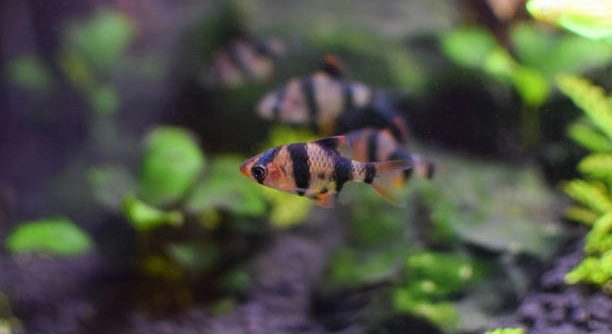
Are your barbs looking dull no matter how clean the tank is or how well you feed them? Color vibrancy in fish isn’t just about lighting or genetics—it often comes down to what they eat every day.
Certain foods can enhance barb color quickly due to their rich carotenoid and astaxanthin content. These natural pigments, found in specific ingredients, stimulate deeper reds, brighter oranges, and more defined stripes, bringing out a healthier, more vibrant appearance.
With the right additions to their diet, your barbs can display their best colors sooner than you might think.
Spirulina: A Natural Booster for Vibrant Reds
Spirulina is one of the most effective foods for quickly enhancing barb coloration. This blue-green algae is packed with carotenoids, especially beta-carotene, which directly supports brighter reds and oranges. When included regularly in their diet, spirulina helps increase pigmentation without artificial additives. It’s also high in protein and essential amino acids, which promote overall fish health. A healthy fish displays better color naturally. Spirulina flakes or powder can be mixed with their usual food or used in commercial color-enhancing pellets. Look for brands that list spirulina as one of the first ingredients on the label. Feeding it at least 3–4 times per week can start to show visible improvement within two weeks. Color won’t just be brighter—it will appear more defined and even.
Choose spirulina-based foods that are free from artificial dyes. The goal is natural enhancement, not temporary staining of their scales.
In my own tank, I started adding a spirulina blend, and my barbs began showing stronger reds around their fins and tails in just ten days. They also became more active, which is another sign of better nutrition. If your fish are healthy and getting the right nutrients, their color will naturally become more vivid. Spirulina is a great start.
Carrots and Peas: Unexpected Color Helpers
Carrots and peas might not seem like typical fish food, but they contain key nutrients that help barbs look more colorful and healthy.
Carrots are rich in beta-carotene, which boosts red and orange pigments. Peas are full of vitamins and aid in digestion, keeping the fish healthy enough to display their full colors. Both can be fed in small, cooked, and mashed portions. Freeze-dried or pellet versions are also available and easy to use. When given once or twice a week, these vegetables act as a gentle supplement that supports natural color development. Be sure to use them in moderation and remove any uneaten pieces after a few minutes to keep the water clean. Feeding carrots and peas doesn’t replace fish food but enhances what you already offer. A mix of these, with spirulina or other high-carotenoid options, creates a simple routine that brings out beautiful results without relying on chemical additives.
Brine Shrimp: A Protein-Rich Treat for Quick Results
Brine shrimp are high in protein and natural pigments like astaxanthin, which help bring out red and orange tones fast. They’re also easy to digest and stimulate appetite, making them ideal for color enhancement. Feed them live, frozen, or freeze-dried for best results.
Brine shrimp work best when fed 2–3 times per week alongside a balanced diet. The astaxanthin in them helps with coloration, while the protein supports muscle tone and energy. I’ve noticed that when I added brine shrimp to my barb feeding routine, the color changes were visible in less than two weeks. Their fins turned a brighter red, and their scales looked shinier overall. Brine shrimp also keep the fish active, which is another sign of health. For convenience, frozen versions are easy to portion. Just don’t overfeed—excess protein can cloud the water and stress the fish if not managed properly.
Consistency is key with brine shrimp. If you feed them irregularly, you might not see much change. I started using frozen cubes and gave a small piece after dinner every few days. The fish responded almost right away—not just in color but in behavior too. Their swimming became sharper and more coordinated, and their scales reflected the light more clearly.
Krill: Deep Color and Stronger Scales
Krill contain one of the highest natural sources of astaxanthin, which deepens red tones and strengthens scale definition. They’re rich in omega-3s and protein, supporting both color and health. Use them freeze-dried or frozen to keep feeding simple and clean.
Krill are more than just a color-enhancer—they support growth, tissue repair, and scale clarity. In my experience, krill made my barbs look bolder and healthier within two weeks. I rotate them into the feeding schedule twice a week. Since they’re a bit larger than brine shrimp, I crush the pieces slightly to help the fish eat them easily. Krill also help reduce dullness in older barbs, giving them a refreshed appearance. If you’re using pellets, look for ones made with krill meal as a main ingredient. Keep portions small and consistent to avoid overfeeding. A little goes a long way with krill, especially when paired with other color-rich foods.
Daphnia: Gentle Yet Effective
Daphnia are small freshwater crustaceans that are easy for barbs to digest. They help improve color by supporting digestion and providing trace nutrients. These tiny feeders also promote smoother swimming and reduce bloating, which helps the fish show off their colors better.
Feed daphnia once or twice per week as a supplement. They can be live, frozen, or freeze-dried. Because they are light and easy to eat, daphnia work well for all barb sizes. Their natural texture encourages feeding response without stressing the digestive system.
Color-Enhancing Pellets: A Convenient Option
Color-enhancing pellets are made with ingredients like spirulina, krill, and astaxanthin, all blended into an easy-to-feed form. I’ve had success using pellets that list natural pigments within the top three ingredients. They’re useful when you want to keep feeding simple but still want to boost color. I feed these once a day, then alternate with fresh or frozen foods during the week. Some brands also add vitamins to help with immunity and fin health. Be sure to soak them briefly in water before feeding to help with digestion and reduce the chance of bloating, especially in smaller barbs.
Bloodworms: Use in Moderation
Bloodworms help enhance red tones, but they’re high in fat. I use them just once a week as a treat. Overfeeding can lead to digestion issues, so it’s best to serve them in small amounts along with other balanced foods.
What foods bring out barb color the fastest?
The fastest foods for enhancing barb color are those rich in natural pigments like astaxanthin and beta-carotene. Spirulina, brine shrimp, krill, and bloodworms all contain these pigments. Among these, spirulina and brine shrimp tend to show results within two weeks when fed consistently. These foods not only bring out red and orange tones but also improve overall fish health, which helps their color develop naturally and more vividly.
How often should I feed color-enhancing foods to my barbs?
Feeding color-enhancing foods about 2–3 times a week is enough to see results without causing water quality problems. Overfeeding can lead to pollution and stress for your fish. I usually rotate spirulina flakes, frozen brine shrimp, and color pellets through the week, keeping treats like bloodworms or krill to once a week. Balanced feeding supports both vibrant color and good health.
Can I feed my barbs only color-enhancing foods?
No, color-enhancing foods should complement a balanced diet, not replace it. Barbs need a mix of proteins, vitamins, and minerals for overall health. Color foods boost pigmentation but do not supply everything your fish require. I always mix high-quality flakes or pellets with natural boosters like spirulina or peas for a complete diet.
Will feeding these foods change my barbs’ color permanently?
The changes are generally lasting as long as you maintain good nutrition. If you stop feeding color-rich foods, the barbs’ pigmentation may fade over time. Consistency is key. In my experience, steady feeding of pigment-rich foods keeps their colors bright. Temporary boosts can happen quickly, but sustained color depends on ongoing diet and tank conditions.
Are live foods better for color enhancement than frozen or dried?
Live foods often have higher nutrient availability and can stimulate natural feeding behavior, which sometimes improves appetite and digestion. However, frozen and freeze-dried options retain most nutrients and are safer in terms of contamination. I use a mix depending on what’s available, often frozen brine shrimp or krill for convenience and spirulina flakes for daily feeding.
Can color-enhancing foods harm my barbs or tank?
If overfed, some rich foods may cause water quality issues or digestive problems. For example, bloodworms are high in fat and should be fed sparingly. Pellets with added dyes or chemicals can also be risky. It’s important to choose natural ingredients and remove uneaten food quickly. Regular water changes and tank maintenance help keep fish healthy and vibrant.
How long does it take to see a difference in barb color?
With consistent feeding of color-enhancing foods, visible changes can occur in as little as 1 to 2 weeks. Some foods, like spirulina or brine shrimp, act faster because of their high pigment content. However, full coloration improvement might take a month or more, depending on fish age, health, and genetics.
Are there any vegetables that help barb color?
Yes, carrots and peas provide beta-carotene and vitamins that support coloration and digestion. Feeding small amounts of cooked, mashed carrots or peas once or twice a week helps maintain bright colors and digestive health. I find that mixing vegetables with regular fish food gives good results without overloading the tank.
Should I soak pellets before feeding them to barbs?
Soaking pellets briefly before feeding can help prevent bloating and improve digestion. It softens the pellets, making them easier for barbs to eat and digest. This is especially helpful for smaller or younger fish. I soak pellets for about a minute in tank water before offering them to my fish, which has reduced digestion issues and helped maintain their color.
Feeding your barbs the right foods can make a noticeable difference in their color. Natural ingredients rich in pigments like spirulina, brine shrimp, and krill help bring out bright reds and oranges faster than plain flakes alone. Including these foods regularly in their diet supports not just color but overall health. Healthy fish naturally display stronger, clearer colors because their bodies have the nutrients needed for proper pigment development. Color-enhancing foods work best when part of a balanced feeding routine and combined with good tank care.
It’s important to feed color-boosting foods in moderation. Overfeeding, even with healthy options, can cause water quality problems that hurt fish health and color in the long run. Removing uneaten food quickly and maintaining clean water conditions helps keep your barbs vibrant. Different foods serve different roles—some add natural pigments, others support digestion or immune health. Rotating between spirulina flakes, frozen or live brine shrimp, pellets with natural color boosters, and occasional treats like bloodworms or krill helps keep your barbs healthy and colorful without overloading their diet.
Remember, results take time and consistency. You may see color changes in a couple of weeks, but lasting vibrancy depends on ongoing care and nutrition. Genetics and environment also affect how bright your barbs can get, so be patient and keep feeding quality foods. In my experience, combining natural color enhancers with a balanced diet and proper tank conditions produces the best results. This approach helps your fish show off their natural beauty while staying strong and active. Taking the time to feed them well is a simple way to enjoy a more colorful and lively aquarium.

Hello,
If you enjoy the content that we create, please consider saying a "Thank You!" by leaving a tip.
Every little bit helps us continue crafting quality advice that supports the health, happiness, and well-being of pets around the world, for pets of all shapes, sizes, and species.
We really appreciate the kindness and support that you show us!