
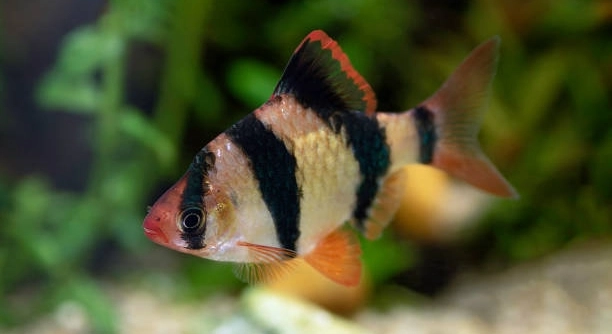
Tiger Barbs are popular freshwater fish known for their vibrant colors and active nature. Many aquarium owners enjoy watching them swim, but sometimes changes in their environment can cause concern. Lighting is one of the important factors that can affect their behavior and health.
Tiger Barbs can adjust to new lighting conditions, but the transition should be gradual to minimize stress. Sudden changes in light intensity or duration may cause discomfort or erratic behavior. Providing a stable lighting schedule helps maintain their natural rhythms and well-being.
Understanding how lighting affects Tiger Barbs will help you create a comfortable environment for them. Proper adjustment can promote their health and enhance their natural colors in your aquarium.
Understanding Tiger Barbs’ Lighting Needs
Tiger Barbs are accustomed to moderate lighting in their natural habitats, where light levels fluctuate throughout the day. In an aquarium, replicating these conditions helps them feel secure. Too much brightness can make them hide, while too little light may dull their vibrant colors and slow their activity. Adjusting to new lighting often takes a few days, during which you might notice changes in behavior such as reduced movement or hiding. Gradually increasing or decreasing the light intensity over several days allows their eyes and body to adapt without causing stress. Consistent lighting duration, typically around 8 to 12 hours daily, supports their natural day-night cycle. Monitoring their reactions during this period is important to ensure they are comfortable. If they seem overly stressed, it may help to add plants or decorations that provide shaded areas, giving them places to retreat if the light feels too intense.
A stable lighting routine supports Tiger Barbs’ overall health and activity. Avoid abrupt changes to prevent unnecessary stress.
Lighting affects more than appearance; it influences their feeding habits and social interactions. Proper adjustment helps maintain a balanced aquarium environment.
Signs of Stress from Lighting Changes
When lighting changes are too sudden or intense, Tiger Barbs may show signs of stress. These include erratic swimming, hiding, loss of appetite, or faded coloration. Observing these signs early can prevent long-term health problems. Creating gradual transitions and offering shaded areas can ease their discomfort. Maintaining a consistent light schedule reassures them and promotes natural behavior. Providing a peaceful environment during changes is key to their adaptation.
Adjusting Lighting Gradually
Sudden changes in lighting can unsettle Tiger Barbs. Introducing new light levels slowly helps them adapt without unnecessary stress.
Start by altering the light intensity by small amounts over several days. For example, if increasing brightness, raise it 10-20% each day until the desired level is reached. If lowering, dim the lights similarly in steps. This gradual approach allows their eyes and behavior to adjust naturally. Keep a consistent light schedule to reinforce their internal clock. Avoid abrupt switches from bright to dark, which can cause disorientation and anxiety. Observing their response during the adjustment period ensures you can make changes if needed.
Adding floating plants or shaded decorations during lighting changes can offer shelter. This provides a safe retreat if the new lighting feels uncomfortable. A stable environment with gradual lighting shifts promotes their health and reduces stress over time.
Choosing the Right Lighting Type
LED lights are popular for aquariums because they offer adjustable intensity and are energy-efficient. They also produce less heat, which helps maintain stable water temperatures for Tiger Barbs. Full-spectrum LED lights mimic natural daylight and enhance the fish’s colors, making the tank visually appealing. Fluorescent lights are another option but may lack the flexibility of LEDs. Avoid overly bright or harsh lights, as they can increase stress levels in Tiger Barbs. Soft, moderate lighting is best. Consider the size of the tank and placement of lights to ensure even distribution, avoiding overly bright spots or dark corners. Proper lighting improves not only the fish’s appearance but also their overall behavior and well-being.
Effects of Too Much Light
Excessive lighting can cause Tiger Barbs to become stressed and hide frequently. It may also lead to algae overgrowth in the tank, affecting water quality and fish health.
Bright lights increase their activity, but if too intense, it disrupts their natural behavior. Balancing light levels is important for comfort and tank maintenance.
Importance of a Consistent Light Schedule
Maintaining a regular light schedule supports Tiger Barbs’ internal rhythms. Providing about 8 to 12 hours of light daily mimics their natural environment. This consistency reduces stress and encourages normal feeding and swimming behaviors, helping them thrive in the aquarium.
Using Plants to Soften Lighting
Adding live or artificial plants creates shaded areas, offering Tiger Barbs refuge from strong light. Plants also improve water quality and create a more natural setting, which helps the fish feel secure and less stressed.
Monitoring Your Fish’s Response
Keep an eye on changes in behavior when adjusting lighting. If Tiger Barbs hide or show signs of stress, consider modifying the light gradually to improve their comfort.
FAQ
Can Tiger Barbs live under LED lights?
Yes, Tiger Barbs can live comfortably under LED lights. LED lighting is often preferred because it produces less heat and allows easy adjustment of brightness. This helps create an environment that suits their needs without causing overheating or stress. Full-spectrum LEDs also highlight their colors well, making the tank more attractive.
How long should the aquarium lights stay on for Tiger Barbs?
Keeping the lights on for about 8 to 12 hours per day is ideal. This simulates their natural day-night cycle, helping regulate their internal rhythms. Too much light can cause stress or encourage algae growth, while too little can make them less active and dull their colors.
What happens if Tiger Barbs experience sudden lighting changes?
Sudden lighting changes can stress Tiger Barbs. They may hide more, swim erratically, or lose appetite. Their eyes need time to adjust, so abrupt shifts in brightness can cause discomfort. Gradually changing light intensity over several days helps avoid these issues.
Can lighting affect Tiger Barbs’ color?
Yes, lighting impacts their coloration. Proper lighting enhances their bright orange and black stripes. Insufficient or harsh lighting can dull their colors, making them appear less vibrant. A balanced, natural light spectrum helps maintain their striking appearance.
Is it necessary to provide shaded areas in the tank?
Providing shaded spots is beneficial. Tiger Barbs sometimes need places to hide from bright light or feel secure. Plants, rocks, or decorations create these retreats. This reduces stress and encourages natural behaviors like exploring and schooling.
Can lighting changes affect Tiger Barbs’ behavior?
Yes, lighting influences their activity and social interactions. Bright or sudden changes may cause nervousness or hiding. Stable lighting helps maintain regular feeding and schooling patterns. Keeping light consistent supports their well-being.
Are there specific types of aquarium lights recommended for Tiger Barbs?
LED lights with adjustable brightness and full-spectrum capabilities are recommended. They provide good light quality without overheating the tank. Fluorescent lights work but offer less control. Avoid overly intense or harsh lighting to prevent stress.
How quickly can Tiger Barbs adapt to new lighting?
Adaptation usually takes several days. Gradual changes over 3 to 7 days allow their eyes and behavior to adjust smoothly. Rapid changes increase stress risk and may cause health problems if prolonged.
Does lighting influence algae growth in the aquarium?
Yes, excessive lighting promotes algae growth, which can harm water quality. Managing light duration and intensity helps control algae. Using live plants can also compete with algae for nutrients, keeping the tank cleaner.
What signs indicate Tiger Barbs are stressed by lighting?
Signs include hiding more than usual, erratic swimming, faded colors, and reduced appetite. If these occur after a lighting change, adjusting the light gradually or adding shaded areas can improve their comfort.
Is a timer helpful for managing aquarium lighting?
Using a timer is very helpful. It ensures consistent light cycles, reducing stress caused by irregular lighting. Timers automate on/off schedules, making tank maintenance easier and supporting fish health.
Can Tiger Barbs tolerate low light conditions?
Tiger Barbs tolerate moderate to low light but prefer moderate lighting for best color and activity. Too dim lighting may make them less active and hide more, while moderate light supports natural behavior.
Should the lighting schedule be changed seasonally?
Generally, a consistent schedule works best year-round. Some aquarists adjust light duration to mimic seasonal changes, but Tiger Barbs do well with steady 8-12 hour cycles. Abrupt seasonal shifts may cause unnecessary stress.
Does the aquarium background affect how lighting impacts Tiger Barbs?
Yes, darker backgrounds absorb light and reduce reflections, which can make fish feel more secure. Lighter backgrounds reflect more light, potentially increasing brightness. Choosing an appropriate background helps balance lighting effects.
Are there special considerations for lighting in planted tanks with Tiger Barbs?
In planted tanks, lighting must support plant growth while being comfortable for fish. Full-spectrum LED lights are ideal as they meet both needs. Balancing light intensity and duration prevents algae and promotes healthy plants and fish.
How often should lighting be checked or adjusted?
Regularly check lighting every few weeks to ensure it is working correctly and maintaining the proper schedule. Adjust brightness if fish show signs of stress or if algae becomes problematic. Consistent monitoring helps maintain a healthy aquarium environment.
Tiger Barbs respond well to lighting conditions that mimic their natural environment. Gradual adjustments to new lighting help them adapt without stress, supporting their health and natural behaviors. Sudden or intense changes in light can cause discomfort, leading to hiding or erratic swimming. By controlling the brightness and duration of light, you can create a stable, comfortable habitat that promotes their well-being. A consistent lighting schedule of 8 to 12 hours per day is generally ideal and helps maintain their internal rhythms.
Choosing the right type of lighting is also important for Tiger Barbs. LED lights are often preferred because they offer adjustable brightness, low heat output, and good color rendering. This helps highlight the fish’s vibrant stripes while maintaining a safe environment. In contrast, overly bright or harsh lighting can increase stress and affect water quality by encouraging algae growth. Adding plants or decorations to provide shaded areas offers Tiger Barbs places to retreat if the light feels too strong. This balance of lighting and shelter is key to creating a natural-feeling aquarium.
Monitoring your Tiger Barbs’ behavior is essential when changing lighting. Watch for signs of stress such as hiding, faded colors, or changes in appetite. If these signs appear, adjusting the light gradually and providing shaded areas can help ease their discomfort. Lighting affects not only the fish’s appearance but also their activity and overall health. Maintaining proper lighting conditions is an important part of caring for Tiger Barbs and ensuring they thrive in your aquarium environment.

Hello,
If you enjoy the content that we create, please consider saying a "Thank You!" by leaving a tip.
Every little bit helps us continue crafting quality advice that supports the health, happiness, and well-being of pets around the world, for pets of all shapes, sizes, and species.
We really appreciate the kindness and support that you show us!