
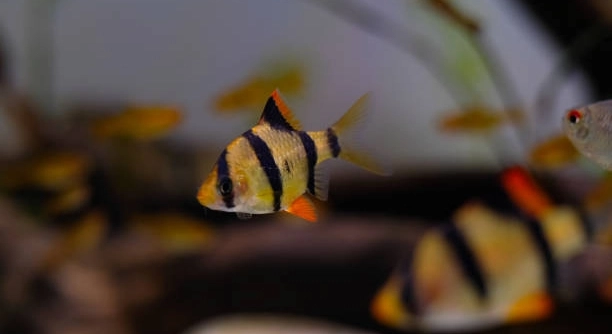
Tiger Barbs are popular freshwater fish known for their bright colors and lively behavior. Many aquarium enthusiasts enjoy watching their interactions in a tank. These fish have a social nature, which often leads to dynamic group activities.
Tiger Barbs do interact with each other through playful chasing, sparring, and schooling behaviors. These interactions help establish social hierarchy and maintain group cohesion. However, their play can sometimes appear aggressive due to their natural territorial instincts.
Understanding how Tiger Barbs play and interact can improve how you care for them. Observing their behavior helps ensure a healthy and balanced aquarium environment.
How Tiger Barbs Interact When Playing
Tiger Barbs often chase each other in groups, darting quickly back and forth. This chasing is a form of play but also helps them practice their agility and establish a pecking order. You might notice some gentle nipping or sparring with their fins and mouths. These actions can look rough but usually don’t cause harm. It’s part of how they communicate and test boundaries. Their playful nature encourages them to stay active, which is good for their health. Watching these behaviors can give insight into their social structure and mood. When kept in proper groups, Tiger Barbs show less stress and more natural behavior.
Sometimes their play can turn a bit aggressive, especially if there isn’t enough space. Providing plenty of room and hiding spots helps reduce tension. This ensures the play remains harmless and the fish stay comfortable in their environment.
Maintaining a balanced group of Tiger Barbs is important to encourage healthy interactions. Ideally, keep them in schools of six or more to spread out any aggression. Overcrowding or keeping too few can increase stress and lead to constant chasing that becomes harmful. Adjusting tank size and providing plants or decorations also helps by creating territories and reducing direct competition. Observing these patterns helps in understanding when the play is normal or if intervention is needed.
Recognizing Healthy Play Versus Aggression
Healthy play among Tiger Barbs involves quick chases and sparring without injuries. It’s important to monitor their behavior to prevent stress.
Aggressive behavior may include persistent chasing, biting that causes damage, or isolating weaker fish. These signs suggest that adjustments are necessary.
Keeping the tank clean and well-maintained can minimize stress. Also, providing a balanced diet ensures their energy is used positively during play. Creating a natural environment with plants and hiding spots reduces conflicts and promotes a peaceful group dynamic. Watching closely lets you act early if any fish become targets of aggression. This balance helps Tiger Barbs thrive socially and physically.
Social Needs of Tiger Barbs
Tiger Barbs are naturally social and do best in groups. Keeping them alone can lead to stress and unusual behavior. A group allows them to express natural play and social behaviors comfortably.
A minimum group size of six is recommended to reduce aggression and encourage positive interaction. When in a proper-sized group, they balance chasing and playing without targeting one fish excessively. This helps prevent bullying and ensures a peaceful tank environment. Social play among a larger group looks more balanced and less stressful for the fish. Without enough companions, Tiger Barbs may become aggressive or withdrawn, which can affect their health.
Group dynamics change as fish grow and settle. Some individuals may become dominant, but this is a normal part of their social structure. Providing enough space and hiding spots can reduce tension and allow subordinate fish to escape when needed. Watching the group helps you notice changes in behavior early. Proper social conditions keep Tiger Barbs active and healthy.
Environmental Factors Influencing Play
Tank size plays a critical role in how Tiger Barbs interact. Small or overcrowded tanks increase aggression and stress, limiting healthy play.
Plants, decorations, and hiding spots create territory boundaries and escape areas. These features reduce constant chasing and help fish feel secure. A well-decorated tank mimics their natural environment, encouraging natural behaviors and balanced social interactions.
Water quality also impacts their behavior. Poor water conditions cause stress and irritability, leading to more aggressive play. Regular water changes and filtration keep the environment stable and comfortable. Stable water parameters support the fish’s health and promote playful activity.
Keeping light levels moderate and avoiding sudden changes prevents stress, supporting their natural rhythms and social behaviors. A calm and well-maintained environment fosters healthy, balanced play among Tiger Barbs.
Signs Tiger Barbs Are Playing
Playful Tiger Barbs chase each other quickly but pause often. They show no signs of injury or distress during these interactions.
Sparring is light and brief, involving gentle nips or fin touches. It helps them communicate and maintain social bonds without harm.
When Play Turns Aggressive
Aggressive behavior includes constant chasing, biting that causes damage, or fish hiding to avoid others. This may stress weaker fish and affect their health.
If aggression becomes frequent, it may indicate overcrowding, lack of hiding spots, or an unbalanced group. Adjusting tank conditions can reduce tension and prevent injury.
Providing Enrichment for Tiger Barbs
Adding plants, driftwood, and rocks creates natural hiding places and territories. This reduces conflict and encourages healthy play. Enrichment keeps the fish mentally and physically active.
Varying the tank layout occasionally can stimulate their curiosity and reduce boredom, supporting social behavior and well-being.
Monitoring Behavior Regularly
Regular observation helps spot changes in interaction patterns early. Early action prevents stress and injury, keeping the group balanced and healthy.
FAQ
Do Tiger Barbs get along well with other fish?
Tiger Barbs can be fin-nippers, especially toward long-finned or slow-moving fish. They do better with other active, fast swimmers that can keep up with their energy. Choosing compatible tank mates helps reduce stress and aggression in the aquarium.
How many Tiger Barbs should I keep together?
Keeping at least six Tiger Barbs is ideal. This group size spreads out any aggressive behavior and lets them form a natural social hierarchy. Smaller groups can lead to bullying or stress, while very large groups need ample space to prevent overcrowding.
Why do Tiger Barbs nip each other?
Nipping is part of their social interaction and establishing dominance. It can look rough but usually doesn’t harm them when in proper groups. If nipping causes injury, it may mean the tank is too small or the group size is inadequate.
Can Tiger Barbs live alone?
Tiger Barbs are schooling fish and do not thrive alone. Being solitary can cause stress, leading to poor health and abnormal behavior. They need companions to express natural behaviors and maintain mental stimulation.
What tank size is best for Tiger Barbs?
A minimum of 20 gallons is recommended for a small group. Larger tanks are better for bigger groups to provide enough space for swimming and territory. Proper tank size helps reduce aggression and supports healthy play.
Do Tiger Barbs need hiding spots?
Yes, hiding spots are important for reducing stress and providing refuge for less dominant fish. Plants, rocks, and decorations create natural breaks in sight lines, helping fish avoid constant chasing and stay safe.
How often should I change the water for Tiger Barbs?
Weekly water changes of 20-30% are recommended to keep water quality high. Clean water reduces stress and aggression, supporting healthy interactions among Tiger Barbs.
What do Tiger Barbs eat?
They eat a varied diet including flakes, pellets, frozen or live foods like brine shrimp and bloodworms. A balanced diet keeps them healthy and energetic, encouraging natural behaviors such as playful chasing.
Can Tiger Barbs injure each other while playing?
Mild nipping is normal, but serious injury should not occur. If wounds appear, it’s a sign that conditions need adjustment, such as increasing tank size or group number to reduce tension.
How can I tell if Tiger Barbs are stressed?
Signs of stress include hiding more than usual, loss of color, lethargy, or excessive aggression. Addressing tank conditions and social environment can help restore balance and reduce stress.
Do Tiger Barbs need special lighting?
Moderate lighting that mimics natural daylight is best. Too bright or sudden changes can cause stress. Lighting also supports plant growth, which benefits the tank environment.
Are Tiger Barbs territorial?
They do show territorial behavior, especially males during breeding or establishing dominance. Providing enough space and hiding spots helps minimize conflicts related to territory.
How long do Tiger Barbs live?
With proper care, Tiger Barbs typically live 5 to 7 years. Good diet, clean water, and a suitable social environment contribute to their lifespan.
Can Tiger Barbs be kept with shrimp or snails?
They may nip at slow-moving or small invertebrates like shrimp. Snails are usually safer tank mates but monitor interactions closely to ensure peaceful coexistence.
What temperature is best for Tiger Barbs?
Ideal water temperature is between 74°F and 79°F (23°C–26°C). Stable temperatures support their health and activity levels.
Do Tiger Barbs breed in home aquariums?
Breeding is possible but can be challenging. They scatter eggs and may eat them. Providing spawning mops or separate breeding tanks increases success chances. Proper conditions and group dynamics also play a role.
How do I reduce aggression in Tiger Barbs?
Maintain a proper group size, provide enough space, and add plenty of hiding spots. Balanced diet and clean water also reduce stress, which lowers aggression. Regularly rearranging tank decorations can disrupt established territories and calm disputes.
Is it normal for Tiger Barbs to chase constantly?
Chasing is part of their social behavior but should not be relentless. Constant chasing without breaks can stress fish. Adjusting tank size or group composition helps balance this behavior.
Can Tiger Barbs live with bettas?
Mixing Tiger Barbs with bettas is risky. Both species can be aggressive, and Tiger Barbs’ nipping may stress the betta. It’s better to keep them separate or watch carefully if combined.
What is the best way to introduce Tiger Barbs to a new tank?
Acclimate them slowly to the tank water temperature and chemistry. Introduce the full group together to minimize initial stress and aggression. Monitor closely during the first days for signs of distress or fighting.
Tiger Barbs are active and social fish that naturally interact through play and social behaviors. Their chasing, sparring, and schooling are normal parts of how they live together. These behaviors help establish a social structure within the group and keep them physically active. Understanding this interaction is important for anyone caring for Tiger Barbs, as it shows how they communicate and maintain their group balance. When kept in appropriate group sizes and tank conditions, their play is usually harmless and healthy.
Providing the right environment is key to supporting healthy social behavior among Tiger Barbs. A tank that offers enough space, hiding spots, and clean water helps reduce stress and aggression. Overcrowding or poor water quality can increase tension, causing their play to become more aggressive or harmful. Keeping at least six Tiger Barbs together is recommended because it spreads out any aggressive behavior and allows them to establish a natural pecking order. Decorations like plants and rocks create territories and offer refuge, which also helps keep interactions balanced.
Regular observation and maintenance ensure Tiger Barbs remain healthy and their social interactions stay positive. Watching for signs of stress or injury lets you address issues early. Adjusting group size, tank setup, or water quality can improve their well-being. While Tiger Barbs can sometimes appear aggressive, their play is part of their natural behavior. With proper care, these fish can thrive in a lively and balanced aquarium, displaying the playful nature that makes them appealing to keep.

Hello,
If you enjoy the content that we create, please consider saying a "Thank You!" by leaving a tip.
Every little bit helps us continue crafting quality advice that supports the health, happiness, and well-being of pets around the world, for pets of all shapes, sizes, and species.
We really appreciate the kindness and support that you show us!