
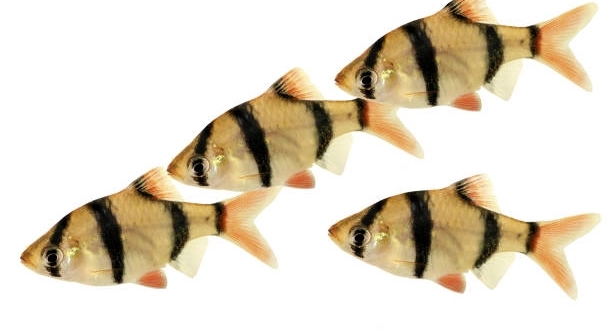
Tiger barbs are popular freshwater aquarium fish known for their vibrant colors and active behavior. Many fishkeepers want to understand how these fish rest and whether they prefer shaded areas for sleeping. Observing their habits can help provide a better environment.
Tiger barbs do sleep in shaded or darker areas within their tank. These fish seek lower light conditions during rest to feel safe and reduce stress. Shaded spots mimic their natural habitat, offering shelter and comfort while they sleep.
Knowing where tiger barbs prefer to rest helps maintain their well-being and create a peaceful aquarium environment for these lively fish.
Why Tiger Barbs Prefer Shaded Areas
Tiger barbs naturally come from rivers and streams with plenty of plants and rocks that create shaded spots. These areas protect them from predators and strong sunlight. In an aquarium, they look for similar hiding places to feel secure. Bright light can stress them out, so they often rest under decorations, plants, or near the tank’s bottom where light is softer. The shade offers a calming effect, which helps the fish conserve energy while sleeping. Providing enough hiding spots and shaded areas in the tank supports their natural behavior and improves their overall health. Without these shaded places, tiger barbs may become anxious or restless, affecting their sleep and activity levels. Observing their resting habits helps aquarium owners adjust lighting and decorations to meet their needs effectively.
Offering shaded areas in the aquarium is essential for tiger barbs to rest comfortably and stay stress-free.
Creating the right environment involves balancing light and shade. Using floating plants or placing decorations in the tank helps mimic the fish’s natural habitat. Adjustable lighting systems can also regulate brightness throughout the day, giving tiger barbs a day-night cycle that supports their sleep. This setup encourages natural behavior and keeps the fish more active and healthy when awake. Regularly checking how the fish use shaded areas can guide tank adjustments. Proper tank design ensures tiger barbs feel safe and relaxed, reducing aggressive behavior caused by stress. Keeping their environment similar to their natural surroundings is key to their well-being.
How to Create Shaded Resting Spots in Your Aquarium
Shaded resting spots can be made with live plants, driftwood, or artificial decorations. These elements provide hiding places and soften light in the tank.
Adding floating plants or tall decorations helps break direct light and creates calm areas for tiger barbs to rest. Live plants also improve water quality, supporting fish health. Positioning these plants near tank lights can reduce brightness below. Driftwood or rock formations serve as natural shelters where fish can retreat. Avoid overcrowding the tank; balance open swimming space with shaded zones. Observing fish behavior after changes ensures the setup meets their needs. With proper shade, tiger barbs feel secure and show healthier activity patterns. This simple approach makes a big difference in their comfort and sleep quality.
Signs Tiger Barbs Are Resting
Tiger barbs slow down their movement and hover quietly in shaded or sheltered areas when resting. Their colors may appear slightly duller, and they show less interest in swimming actively or chasing tank mates. These signs indicate they are not fully asleep but are in a resting state.
During rest, tiger barbs typically reduce their fin movement and may settle near plants or decorations. They stay alert but conserve energy by limiting their activity. Unlike deep sleep in mammals, fish remain partially aware of their surroundings. This resting behavior helps them recover without becoming vulnerable to threats. Providing calm shaded spots encourages this natural behavior and supports their health.
Resting tiger barbs may also cluster together for safety. Grouping in shaded areas reduces stress and promotes a peaceful tank environment. Recognizing these behaviors helps maintain a suitable habitat that respects their natural rhythms and comfort.
Impact of Lighting on Tiger Barb Sleep
Bright or constant lighting can disrupt tiger barbs’ resting patterns by increasing stress levels. Too much light prevents them from finding shaded spots to rest comfortably, leading to restless behavior and potential health issues.
Adjusting aquarium lighting to include a day-night cycle is important for tiger barbs. Gradual dimming or using timers helps replicate natural conditions. Low light periods encourage resting and reduce aggression. Proper lighting balance improves sleep quality, allowing tiger barbs to maintain normal behavior and energy levels. Tank owners should observe fish responses and modify lighting accordingly.
Maintaining consistent lighting schedules helps tiger barbs establish regular rest periods. This consistency supports overall well-being, reduces stress, and improves interactions within the tank community.
Best Plants for Creating Shade
Plants like Java fern, Anubias, and Amazon swords provide excellent shade in aquariums. They grow well under moderate light and offer shelter where tiger barbs can rest peacefully.
Floating plants such as duckweed and water lettuce help diffuse light. These plants create a natural shaded canopy, reducing brightness and making the tank feel more secure for resting fish.
Avoiding Stress in Tiger Barbs
Stress can disrupt tiger barbs’ resting habits, often caused by overcrowding or poor water conditions. Keeping the tank clean and well-maintained reduces stress and promotes healthy sleep.
Proper tank size, stable water parameters, and hiding spots contribute to a stress-free environment. Calm, shaded areas help tiger barbs feel safe enough to rest, preventing unnecessary aggression or fatigue.
Positioning Decorations for Shade
Place decorations near light sources or around the tank edges to create shaded zones. This helps break up direct light and offers quiet spots for resting tiger barbs.
Monitoring Fish Behavior Regularly
Regular observation helps identify if tiger barbs are comfortable. Changes in activity or hiding patterns may signal a need to adjust shading or tank conditions.
How do tiger barbs sleep?
Tiger barbs do not sleep like humans, but they enter a restful state where their movement slows down and they remain still, often in shaded or sheltered parts of the tank. During this time, their colors may fade slightly, and they become less active. They stay alert to their environment but conserve energy.
Do tiger barbs need complete darkness to rest?
No, tiger barbs do not require complete darkness to rest. They prefer dimmer, shaded areas that mimic their natural habitat. Too much light can stress them, but total darkness is not necessary. Soft lighting or shaded spots provide enough comfort for them to rest properly.
Can tiger barbs sleep in open areas of the tank?
Tiger barbs usually avoid sleeping in open areas as it leaves them vulnerable to perceived threats. They prefer resting in places with some cover, such as under plants or decorations. Open swimming spaces are used for activity, not rest.
How important is tank lighting for tiger barb sleep?
Tank lighting is very important for tiger barbs’ sleep patterns. Consistent light and dark cycles help regulate their behavior. Bright or constant light can disturb their rest and increase stress. Timers or adjustable lighting systems help maintain a natural day-night rhythm.
What types of tank decorations help tiger barbs rest?
Natural decorations like driftwood, rocks, and live plants create good resting spots. These items provide shade and hiding places that tiger barbs use to feel safe. Avoid overcrowding the tank, but ensure enough shaded zones for resting.
How does water quality affect tiger barb sleep?
Poor water quality can cause stress and disrupt tiger barbs’ rest. Maintaining clean water with stable parameters helps keep the fish healthy and calm. Regular water changes and good filtration are essential to reduce stress and support restful behavior.
Can stressed tiger barbs sleep properly?
Stress negatively affects tiger barb rest. When stressed, fish may become restless, hide excessively, or show signs of aggression. Providing shaded resting areas, stable water conditions, and a proper tank size helps reduce stress and supports better sleep.
How can I tell if tiger barbs are resting or sick?
Resting tiger barbs remain alert and return to normal activity after resting periods. Sick fish often show signs such as clamped fins, erratic swimming, or loss of appetite. Observing behavior and physical health regularly helps distinguish between rest and illness.
Do tiger barbs rest during the day or night?
Tiger barbs usually rest during the night or when tank lighting is dim. They are diurnal fish, meaning they are more active during the day and rest when light decreases. Providing a natural light cycle helps reinforce this behavior.
Is it necessary to turn off aquarium lights at night?
Yes, turning off aquarium lights at night supports tiger barbs’ natural rest cycle. Darkness encourages resting behavior and helps reduce stress. Using a timer to control lighting ensures consistent day-night patterns in the tank.
Can tiger barbs sleep without shaded areas?
Without shaded areas, tiger barbs may struggle to rest properly, which can lead to stress and unhealthy behavior. Shaded spots offer safety and comfort, making them essential for tiger barb well-being.
How long do tiger barbs rest at a time?
Tiger barbs rest in short periods rather than deep, continuous sleep. These rest phases allow them to conserve energy while remaining alert to potential threats. Multiple rest periods throughout the day and night are typical.
Do tiger barbs sleep alone or in groups?
Tiger barbs often rest in groups for safety. Clustering together in shaded spots helps reduce stress and creates a sense of security. This social behavior supports peaceful resting conditions.
Are there signs that tiger barbs are not getting enough rest?
Signs of insufficient rest include increased aggression, erratic swimming, loss of appetite, and dull coloration. Addressing tank lighting, decorations, and water quality can improve resting conditions and reduce stress.
What is the best way to improve tiger barb sleep in an aquarium?
Providing shaded areas with plants and decorations, maintaining stable water conditions, and regulating tank lighting with timers are the best ways to improve tiger barb rest. Regular observation helps adjust the environment to their needs.
Tiger barbs rely on their environment to feel safe and rest properly. Shaded areas within the aquarium play a crucial role in providing this sense of security. These fish naturally seek out places with lower light or shelter where they can slow down and conserve energy. Without such spots, tiger barbs may become stressed or restless, which can affect their overall health. Offering a mix of plants, rocks, and other decorations creates a more natural setting that helps them rest more comfortably. This is important because a peaceful resting environment supports their normal behavior and keeps them active when awake.
Lighting is another key factor that influences how well tiger barbs can rest. Constant or very bright lighting can disturb their natural rhythms and make it difficult for them to find shaded areas to relax. Using a lighting schedule that mimics day and night cycles encourages the fish to rest during darker periods. Adding floating plants or positioning decorations to break up direct light helps reduce stress and provides the needed shade. This balance between light and shade is essential for creating a tank environment where tiger barbs can feel calm and secure.
Maintaining good water quality and reducing stress factors are equally important. Clean water, stable temperature, and enough space for swimming all contribute to the well-being of tiger barbs. Stress can interfere with their ability to rest, so keeping the tank well-maintained helps promote healthier behavior. Observing the fish regularly allows for adjustments to lighting, decorations, or tank conditions to better suit their needs. By focusing on these key areas—shade, lighting, and water quality—owners can ensure tiger barbs enjoy restful periods that support their long-term health and happiness.

Hello,
If you enjoy the content that we create, please consider saying a "Thank You!" by leaving a tip.
Every little bit helps us continue crafting quality advice that supports the health, happiness, and well-being of pets around the world, for pets of all shapes, sizes, and species.
We really appreciate the kindness and support that you show us!