
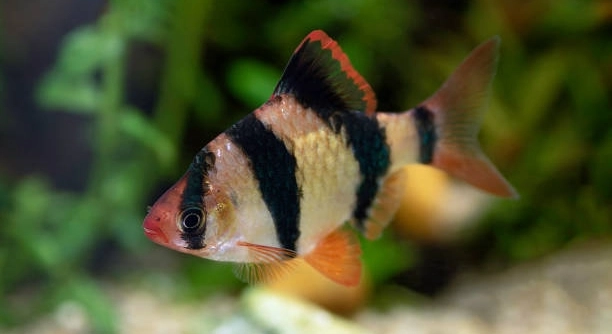
Owning a barb for the first time can be exciting but also a bit challenging. Many new owners are unsure what basic supplies and care routines their barb will need. Getting prepared with the right essentials is important for the fish’s health and happiness.
The seven essentials for first-time barb owners include proper tank size, water filtration, temperature control, balanced diet, regular water changes, appropriate tank mates, and monitoring fish health. These factors collectively create a stable environment for barbs to thrive.
Learning about these essentials will help you provide the best care for your new barb and avoid common beginner mistakes. The following details explain each essential clearly and practically.
Proper Tank Size and Setup
Barbs need enough space to swim comfortably and stay healthy. A tank that is too small can cause stress and poor water quality. For most barb species, a minimum of 20 gallons is recommended. Setting up the tank with smooth gravel, plants, and hiding spots helps mimic their natural environment. Proper lighting and a secure lid are also important since barbs can be active and sometimes jump. Before adding your fish, make sure the tank is fully cycled to establish beneficial bacteria that break down waste. This reduces the risk of harmful ammonia and nitrite spikes. A well-prepared tank supports the barb’s immune system and encourages natural behaviors, making them more active and vibrant. Spending time on the right setup from the start saves a lot of trouble later on.
A tank size of at least 20 gallons provides barbs enough space to swim freely and reduces stress-related problems.
Ensuring the tank is properly set up involves more than just size. The right decorations, plants, and substrate create a comfortable space. Live plants can improve water quality and give the barbs places to explore or hide. Smooth gravel or sand prevents injury to their delicate fins. The lighting should support plant growth but not be too harsh for the fish. Secure lids prevent escapes. Testing and cycling the tank before introducing barbs ensures stable water conditions, which is critical for their health. When the environment is stable and spacious, barbs show better coloration and activity levels, making them more enjoyable to observe.
Balanced Diet and Feeding
A varied and balanced diet keeps barbs healthy and active.
Feeding barbs a mix of high-quality flakes, pellets, and occasional live or frozen foods like brine shrimp or bloodworms offers proper nutrition. Overfeeding should be avoided to prevent water quality issues. Feeding small amounts twice a day is ideal.
Barbs are omnivores, so their diet should include both plant and animal matter. Commercial flakes or pellets formulated for tropical fish usually meet basic needs, but supplementing with live or frozen foods adds protein and variety. Vegetables like blanched spinach or zucchini can also be offered occasionally. Careful feeding helps maintain water quality by reducing leftover food that can decompose. Observing your fish during feeding ensures all individuals get enough to eat, especially in community tanks. A good diet supports their immune system, coloration, and activity, contributing to their overall wellbeing.
Water Filtration
A reliable filter is essential for maintaining clean and healthy water in the barb tank.
Filtration removes waste, toxins, and debris from the water. It also helps maintain oxygen levels, which barbs need to thrive. Choosing a filter with the right flow rate is important because barbs prefer moderate water movement. Too strong a current can stress them, while too weak filtration may allow harmful substances to build up. Regular maintenance, like cleaning filter media and replacing parts as needed, keeps the system working effectively.
Filters come in different types: sponge, hang-on-back, canister, and internal. Each has pros and cons depending on the tank size and setup. Hang-on-back filters are common for barb tanks because they balance filtration efficiency and ease of maintenance. Canister filters work well for larger tanks and provide superior filtration but require more care. Selecting the right filter supports stable water conditions and reduces frequent water changes. This stability is vital for the long-term health of your barbs.
Temperature Control and Monitoring
Barbs generally thrive in water temperatures between 72°F and 78°F. Keeping the water within this range prevents stress and disease.
Using a reliable aquarium heater helps maintain a consistent temperature, especially in cooler climates or homes with fluctuating temperatures. A digital thermometer allows for accurate monitoring and quick adjustments if needed. Sudden temperature changes can weaken the barb’s immune system and lead to illness. Positioning the heater away from strong water currents ensures even heating throughout the tank. Regularly checking the temperature is a small task that makes a big difference in the fish’s wellbeing and activity levels.
Regular Water Changes
Changing 20-30% of the tank water weekly helps maintain water quality. It removes toxins and replenishes minerals barbs need.
Using a water conditioner during changes prevents chlorine and chloramine from harming your fish. Consistent water changes keep the environment stable and healthy.
Choosing Appropriate Tank Mates
Barbs are social and do best in groups of five or more. They also need compatible tank mates that tolerate their active nature.
Avoid slow or long-finned fish, as barbs may nip fins. Suitable companions include other similarly sized, peaceful species like danios, tetras, or some corydoras catfish. Proper selection reduces aggression and promotes a balanced tank community.
Monitoring Fish Health
Watch for signs of illness like faded color, lethargy, or abnormal swimming. Early detection is key to effective treatment.
Routine observation allows for quick action and keeps your barbs thriving.
FAQ
How often should I feed my barbs?
Feeding your barbs twice a day with small amounts is best. Overfeeding can pollute the water and harm their health. Offer only what they can eat in about two minutes to avoid leftover food that decays and affects water quality.
What is the ideal tank size for barbs?
A minimum of 20 gallons is recommended for most barb species. They are active swimmers and need enough space to move freely. Smaller tanks can lead to stress, aggression, and poor water conditions.
Can barbs live with other fish?
Yes, barbs can live with other fish if chosen carefully. Avoid slow-moving or long-finned species since barbs may nip their fins. Good tank mates include danios, tetras, and corydoras catfish, which tolerate barbs’ activity and temperament.
How do I know if my barb is healthy?
Healthy barbs are active, colorful, and swim normally. Watch for signs like faded color, clamped fins, lethargy, or abnormal swimming patterns. These can indicate stress or illness and may require prompt attention or treatment.
What type of filtration system should I use?
A hang-on-back filter is often recommended because it balances effective filtration with moderate water flow. Barbs prefer moderate currents, so avoid filters with too strong a flow that could stress them. Regular cleaning of the filter media keeps it efficient.
How important is water temperature for barbs?
Water temperature should be stable between 72°F and 78°F. Fluctuations can weaken the immune system and cause disease. Use a heater and thermometer to maintain consistent temperature and prevent stress.
Do barbs need live plants in their tank?
Live plants are beneficial but not mandatory. They improve water quality, provide hiding spots, and create a natural environment. Barbs enjoy swimming around plants, which can reduce stress and encourage natural behavior.
How often should I change the water?
Changing 20-30% of the water weekly is ideal. This keeps toxin levels low and replenishes essential minerals. Always use a water conditioner to remove chlorine and chloramine from tap water before adding it to the tank.
What should I do if my barbs show signs of illness?
If you notice unusual behavior or appearance, check water quality first. Poor water conditions often cause illness. Quarantine sick fish if possible and consult an aquatic veterinarian or fish care guide for treatment options.
Can barbs jump out of the tank?
Yes, barbs are known to be active and sometimes jump. A secure lid on the tank prevents escapes and protects the fish from injury or death.
How many barbs should I keep together?
Barbs are schooling fish and do best in groups of five or more. Keeping fewer can lead to aggression and stress. Groups create social interaction that improves their wellbeing.
What do barbs eat in the wild?
In the wild, barbs eat small insects, larvae, plant matter, and algae. Their diet is varied and omnivorous, which is why a mix of flakes, pellets, and occasional live or frozen foods is recommended in captivity.
Is it necessary to cycle the tank before adding barbs?
Yes, cycling the tank is essential. It establishes beneficial bacteria that break down harmful ammonia and nitrites. Adding barbs to an uncycled tank can lead to poisoning and high mortality.
Can I keep different barb species together?
Some barb species can coexist if their temperaments and sizes are compatible. However, mixing very aggressive species or those with different care needs is not recommended. Research specific species compatibility before mixing.
How do I reduce fin nipping among barbs?
Providing enough space, hiding spots, and keeping them in groups reduces aggression and fin nipping. Avoid overcrowding, which increases stress and aggressive behavior.
Are barbs suitable for beginner fish owners?
Yes, barbs are relatively hardy and good for beginners, but they require attention to water quality, diet, and tank mates. Following care basics ensures they stay healthy and active.
This FAQ covers many common concerns new barb owners face, helping create a better environment for their fish. Proper care, monitoring, and understanding barb behavior support a healthy and lively aquarium.
Final Thoughts
Owning barbs can be a rewarding experience when the right care essentials are in place. Providing a suitable tank size with proper filtration and temperature control is fundamental. These factors ensure the water remains clean and stable, which supports the health of the fish. Barbs are active and social, so creating an environment that allows them to swim freely and interact with compatible tank mates is important. Neglecting these basics often leads to stress and illness, so attention to detail from the start makes a significant difference.
Feeding a balanced diet and maintaining regular water changes also contribute to a thriving barb tank. Barbs need a variety of foods to meet their nutritional needs, including flakes, pellets, and occasional live or frozen treats. Overfeeding should be avoided to prevent water quality problems. Weekly water changes of 20-30 percent help remove waste and keep the water fresh. These simple routines promote long-term health and reduce the chance of common fish diseases. Monitoring your fish daily for any changes in behavior or appearance allows for early detection of problems.
Taking the time to understand these care requirements will help you provide a stable and comfortable home for your barbs. While barbs are hardy fish, their wellbeing depends on consistent care and a well-maintained environment. Investing effort into proper tank setup, feeding, and health monitoring pays off with lively, colorful fish. Remember that every tank is different, so adapting your care to the needs of your specific barb species and tank conditions is key. With patience and commitment, keeping barbs can be an enjoyable and fulfilling hobby.

Hello,
If you enjoy the content that we create, please consider saying a "Thank You!" by leaving a tip.
Every little bit helps us continue crafting quality advice that supports the health, happiness, and well-being of pets around the world, for pets of all shapes, sizes, and species.
We really appreciate the kindness and support that you show us!