
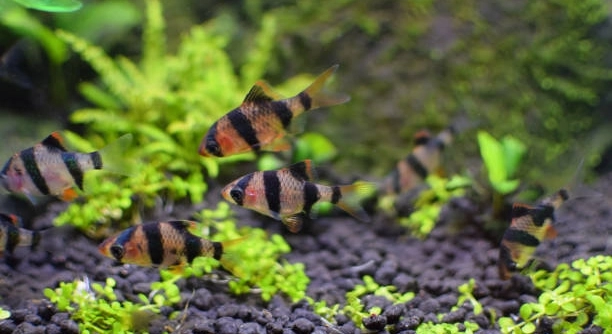
Have you ever watched your tiger barbs zip through the tank and wondered if they prefer calm or fast-moving waters? Their behavior might offer clues, but tank conditions play an important role in their comfort and health.
Tiger barbs prefer active tanks with steady water movement, which mimics their natural habitat. This environment supports their energetic swimming style and helps maintain oxygen levels and water cleanliness, promoting overall health and reducing aggressive behaviors.
Learning how water flow influences tiger barb behavior will help you create a balanced and engaging environment for these active fish.
Understanding Their Natural Habitat
Tiger barbs come from streams and rivers in Southeast Asia, where the water is always moving. These active swimmers are used to currents and enjoy darting in and out of flowing water. Mimicking this setup in a home aquarium helps reduce stress and encourages healthy movement. Tanks with filters that create moderate to strong water flow are ideal. Still tanks can lead to boredom, aggression, and low oxygen levels. Tiger barbs often swim in schools, and movement helps them stay engaged and social. If you watch closely, you’ll notice they chase each other and explore more when the water is active. A planted tank with open swimming areas and steady flow supports both their mental and physical needs. You don’t need an extremely strong current, but enough to keep water circulating and provide resistance for them to swim against. This setup mirrors what they naturally thrive in outside of captivity.
Still water tanks create a passive environment that doesn’t match tiger barbs’ behavior. They may become more aggressive or less active over time.
Adding adjustable filters can help you create just the right flow. You can also place plants or decorations to break strong currents if needed. A balanced setup benefits both the fish and the tank’s condition.
Tank Setup Tips for Active Swimmers
Creating the right tank setup for tiger barbs is simple when you know what they prefer. They need space, movement, and a few hiding spots.
Tiger barbs thrive in tanks with a consistent current and enough room to swim freely. A tank size of at least 20 gallons is recommended for a small group, but bigger is always better, especially for their social nature. Use a good filter that provides steady movement without being too strong. Adding plants like java fern or anubias offers cover and breaks up the current in some spots. Smooth decorations and open swimming areas help prevent injuries and keep the layout natural. Avoid overcrowding, as it can stress them out and lead to aggressive behavior. Tiger barbs are known to nip at other fish if they don’t have enough stimulation or space. Stick with a group of at least six to encourage schooling behavior. The more natural and active the tank feels, the more you’ll see their best behaviors come to life.
Watching for Signs of Comfort
Tiger barbs show comfort through active swimming, tight schooling, and balanced interaction with their tank mates. When the environment suits them, they move confidently and explore different areas without hesitation or signs of stress.
If your tiger barbs are hiding, nipping excessively, or separating from the group, the tank conditions may not be right. In low-flow tanks, they often become sluggish or overly aggressive due to boredom. In contrast, moderate water movement encourages social swimming and reduces tension. You may notice them chasing each other playfully or weaving through plants and décor. These signs mean they’re stimulated and feel secure in their environment. Watch their breathing too—rapid gill movement can signal poor oxygen levels, often linked to still water. A balanced flow boosts oxygen, supports cleaner water, and keeps their behavior consistent and lively. Their actions reflect how well the tank setup supports their natural needs.
Comfort is also reflected in feeding habits and coloration. Healthy tiger barbs will eat eagerly and display strong colors—usually orange fins with bold black stripes. If colors look dull or feeding slows down, consider whether the current is too weak or strong. Observing these simple signs can help you adjust the environment quickly and support their overall well-being.
Adjusting Flow Without Overdoing It
Too much current can overwhelm tiger barbs, especially in small tanks. Moderate flow keeps them active without exhausting them or disturbing plants.
Start with a filter that has an adjustable flow setting. This gives you control and helps you find what suits your tank size and layout. Positioning the outflow near the surface can increase oxygen without blasting the entire tank. Use decorations or tall plants to slow down water in certain areas, giving your fish places to rest. If you see your tiger barbs constantly struggling to swim or being pushed to one side, the flow might be too strong. On the other hand, if they are inactive or hovering in one spot, you may need to increase circulation. Finding that balance creates an active yet stable space. Their swimming should look smooth, with group movement and minimal stress. Making small changes and watching their response is the easiest way to adjust effectively.
Common Mistakes to Avoid
Using a filter that’s too strong or too weak can disrupt the tank’s balance. Tiger barbs need steady movement, not constant pressure or stillness, to stay active and healthy without feeling overwhelmed.
Another mistake is overcrowding. Without enough space, tiger barbs become stressed and aggressive. A larger tank supports healthier behavior.
When to Make Changes
If your tiger barbs are separating from the group, swimming erratically, or showing dull colors, it may be time to adjust water movement. Look for signs like labored breathing or loss of appetite, which can be linked to low oxygen caused by weak flow. Use an adjustable filter and monitor their response. Slowly increase or reduce circulation and give them a day or two to adjust before making more changes. Pair changes with regular tank maintenance to prevent buildup of waste or low-quality water. Always watch how they respond to the current—it should support activity, not create resistance. Consistency helps maintain their comfort long term.
Final Considerations
Tiger barbs need structure, movement, and space to stay healthy and socially balanced in a tank environment that mimics their wild behavior.
FAQ
How much water flow is ideal for tiger barbs?
Tiger barbs do best in moderate water flow. The current should be strong enough to keep water moving and oxygenated but not so strong that they struggle to swim. You’ll know it’s right when they swim easily without being pushed around. If they avoid areas of the tank or hover in corners, the current may be too high. Start with a medium setting on an adjustable filter and add plants or decorations to soften flow if needed. This setup helps them stay active, reduces stress, and supports their overall health and social behavior.
Can tiger barbs live in a still water tank?
While tiger barbs can survive in a still tank, it’s not ideal for their health or behavior. Still water lacks oxygen and doesn’t support their active swimming style. Without movement, they may become stressed, aggressive, or bored. You might notice dull colors or less group swimming. A still tank also increases waste buildup and reduces circulation, affecting water quality. Adding even a gentle filter helps mimic their natural habitat and encourages better activity. If you’re keeping tiger barbs, providing movement is one of the easiest ways to support their well-being.
Do tiger barbs like swimming against the current?
Yes, tiger barbs often enjoy swimming against a gentle current. It gives them stimulation and mimics how they behave in the wild. This type of activity helps reduce aggression by giving them an outlet for energy. Swimming against the flow also keeps them physically fit and mentally engaged. You may see them taking turns or darting in and out of the current, especially in larger tanks with open space. Just make sure there are areas with lower flow where they can rest when needed. A mix of open swimming space and calm zones works best.
Will too much current stress my tiger barbs?
Too much current can cause stress, especially if the fish are constantly pushed around or can’t swim normally. You might notice rapid gill movement, hiding, or erratic swimming if the current is too strong. These are signs that adjustments are needed. Using adjustable filters helps control flow, and positioning plants or rocks near the output can slow water in certain areas. Keep an eye on how your tiger barbs react. If they can swim comfortably and stay in groups without struggling, the current is likely at a healthy level.
How can I adjust water flow without changing my entire setup?
You can use simple tools like sponge filters, flow controllers, or even just change the angle of your filter output to adjust the water movement. Adding tall plants or driftwood helps slow the flow in sections of the tank. This creates a more natural layout and offers your tiger barbs places to rest. You don’t need to buy a new system—small adjustments make a big difference. Monitor how your fish swim after each change and allow a day or two before deciding whether more changes are needed.
Do tiger barbs behave differently in still water vs. moving water?
Yes, their behavior changes noticeably. In still water, tiger barbs often become less active or more aggressive. They may isolate themselves or lose interest in group swimming. In moving water, you’ll likely see them schooling, exploring, and interacting more. The movement keeps them alert and gives them structure throughout the tank. Healthy water flow also improves oxygen levels, which supports consistent energy and helps them show brighter colors. If your barbs seem dull or sluggish, adjusting the flow might quickly improve their behavior.
Can I use air stones to help with water movement?
Yes, air stones can be useful for boosting oxygen and adding light surface movement, especially in smaller tanks. They don’t replace a filter but can support water circulation and improve tank conditions. Air stones are helpful if your filter is too weak or you want to add gentle movement without strong flow. Place them where they won’t disturb your fish too much. Tiger barbs may swim near the bubbles but prefer areas where they can swim freely. Used with a good filter, air stones help create a well-balanced environment.
Final Thoughts
Creating a healthy environment for tiger barbs means understanding what they naturally prefer. These active fish come from rivers and streams where the water is always moving. Still tanks may look peaceful, but they don’t support the needs of tiger barbs. Without movement, they may become stressed, show dull colors, or act aggressively toward each other. A gentle but steady current keeps them active and encourages natural behavior like schooling and exploring. It also helps with oxygen levels and overall tank cleanliness. A setup that matches their natural habitat supports their health and makes their colors and energy stand out.
Tank size, water flow, and layout all play an important role. A 20-gallon tank is the minimum for a small group, but more space is always better. Using a filter with adjustable flow lets you control water movement without overwhelming them. Plants, rocks, or decorations help break up strong currents, giving the fish places to rest while still enjoying steady flow. These simple changes make a big difference. Tiger barbs are curious and social, and the right tank setup helps bring out their best traits. Watching them swim together in a well-balanced tank is not only enjoyable but also a sign they feel safe and healthy.
It’s also helpful to keep an eye on how they behave. If they’re swimming smoothly in a group, showing bright colors, and eating well, the tank conditions are likely right. But if you notice signs like hiding, gasping, or fighting, the water movement could be off. Every tank is different, and sometimes it takes a few adjustments to find what works. Making small changes and giving them time to adjust can help you learn what they respond to best. The goal is to create a steady, active tank that supports their natural energy and keeps their stress low. With a bit of attention and care, you can give your tiger barbs the active environment they need to thrive.

Hello,
If you enjoy the content that we create, please consider saying a "Thank You!" by leaving a tip.
Every little bit helps us continue crafting quality advice that supports the health, happiness, and well-being of pets around the world, for pets of all shapes, sizes, and species.
We really appreciate the kindness and support that you show us!