
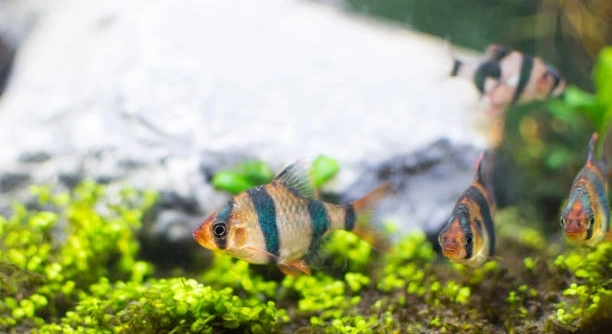
Are your barbs showing unusual changes in behavior that you can’t quite explain? Barbs are lively fish, but shifts in their actions can signal important changes in their health or environment. Recognizing these signs early helps keep them happy and safe.
Barb behavioral shifts often indicate stress, illness, or changes in water quality. Common signs include increased aggression, loss of appetite, hiding, erratic swimming, or color fading. Monitoring these behaviors allows for timely intervention and better care.
Understanding these warning signs will help you support your barbs and maintain a healthy aquarium environment for them to thrive.
Changes in Swimming Patterns
Barbs usually swim actively around the tank, exploring their environment. When you notice your barb swimming erratically, darting quickly, or staying at the surface or bottom for long periods, it may be a sign of discomfort. These changes can be caused by poor water quality, stress, or illness. Sometimes, barbs will swim sluggishly or float near the surface to breathe if oxygen levels are low. It’s important to regularly test your tank water for ammonia, nitrites, and nitrates. Make sure the temperature and pH levels are stable and suitable for your barbs. Sudden changes in the tank, like new decorations or fish, can also affect their behavior. Observing swimming habits closely helps catch problems before they worsen.
Erratic swimming is a clear indicator that something is off in their environment or health.
Keep track of your barb’s movement each day. If you see unusual patterns, check water conditions and look for other signs of distress. Acting quickly can prevent serious illness or stress. Maintaining a clean and stable tank will encourage natural, healthy swimming behavior.
Loss of Appetite
Loss of appetite is one of the first signs that barbs are not feeling well. When your fish suddenly stop eating or show less interest in food, it could be due to stress, parasites, or changes in water quality. Poor diet or the wrong type of food may also cause this problem. Feeding barbs a balanced diet that fits their species is important for their health. Avoid overfeeding, which can lead to water pollution and worsen their condition. If your barb refuses food for more than a day or two, monitor for other symptoms like lethargy or color changes. Sometimes, barbs lose appetite during tank changes or after being introduced to new tank mates. It’s useful to isolate a sick fish if necessary and consult a vet for serious cases.
Watching feeding habits closely will help you respond to health issues early and keep your barbs in good shape.
Hiding More Than Usual
Barbs that hide frequently are likely stressed or sick. This behavior can mean they feel unsafe or uncomfortable in their environment.
When barbs suddenly spend much of their time hiding behind plants, decorations, or tank corners, it’s a sign that something is wrong. Stress from poor water conditions, aggressive tank mates, or sudden changes in the tank can cause this behavior. Illness or parasites may also make fish seek shelter more often. If hiding becomes constant, check water parameters carefully and observe for other symptoms. Sometimes, rearranging the tank or removing aggressive fish can reduce stress and encourage more normal behavior.
Hiding is a natural defense, but when it becomes excessive, it means your barb needs attention. Try to provide a calm, stable environment to help your fish feel secure and reduce hiding.
Color Fading
Color fading in barbs usually indicates stress or illness. The vibrant colors that make barbs beautiful can dull when something is wrong.
Changes in water quality, poor diet, or infections often cause the loss of color. When barbs feel threatened or uncomfortable, their colors may become pale or washed out as a response to stress. Sometimes, aging or genetics play a role, but sudden fading is a warning sign. Feeding high-quality food rich in nutrients helps maintain their natural colors. Regular water changes and tank cleaning support a healthy environment that keeps colors bright. Monitoring your fish daily lets you spot color changes early and take steps to improve their health.
Keeping the tank clean and stable along with good nutrition is key to preserving your barb’s beautiful colors and overall wellbeing.
Increased Aggression
Barbs that suddenly become aggressive may be stressed or feel threatened. This change can disrupt the tank’s balance.
Aggression can be caused by overcrowding, lack of hiding spots, or new fish introductions. It’s important to watch for bullying and separate fish if needed.
Erratic Swimming
Erratic swimming often signals stress, illness, or poor water quality. Barbs may dart around or swim in circles when something is wrong.
Keeping water clean and stable helps prevent these behaviors. Observing your fish closely allows quick action before problems worsen.
Loss of Balance
Barbs losing balance or swimming tilted can be a sign of swim bladder issues or infection. Immediate care may be required to avoid worsening conditions.
How can I tell if my barb is stressed or sick?
Look for changes in behavior like hiding more often, loss of appetite, color fading, or erratic swimming. These are common signs your barb is under stress or may be ill. Also, watch for physical signs such as clamped fins, spots, or unusual marks on their body.
What should I do if my barb stops eating?
First, check the water quality and make sure it’s clean and stable. Poor water conditions often cause appetite loss. Offer a variety of nutritious foods to encourage eating. If your barb still refuses food for more than two days, consider isolating it and consulting a vet or an experienced aquarist.
Can changes in tank conditions cause behavioral shifts?
Yes. Sudden changes in temperature, pH, or water quality can stress barbs and lead to changes in behavior. Even new decorations or fish can disturb their environment. Try to keep the tank stable and make changes gradually to avoid upsetting your fish.
Why is my barb swimming erratically?
Erratic swimming often points to stress, poor water quality, or illness. It may also result from parasites or swim bladder problems. Testing the water and observing for other symptoms can help you find the cause. Acting quickly usually improves their condition.
Is hiding always a bad sign?
Not always. Barbs sometimes hide naturally to rest or feel safe. However, excessive hiding, especially when combined with other symptoms like loss of appetite or color fading, usually means the fish is stressed or sick. In that case, check the environment and health closely.
How do I reduce aggression in my barb tank?
Overcrowding and lack of hiding spots increase aggression. Keep the tank well-planted and provide enough space for each fish. Avoid adding aggressive species, and separate overly aggressive barbs if needed. Regular water changes also help reduce stress that leads to fighting.
What causes color fading in barbs?
Stress, poor diet, illness, and bad water quality are common reasons for color loss. Feeding high-quality, nutrient-rich food and maintaining clean water support bright, healthy colors. If fading continues, it may indicate disease or poor tank conditions needing attention.
How important is tank maintenance for barb health?
Tank maintenance is crucial. Dirty water can cause stress, illness, and behavioral changes. Regular water changes, gravel cleaning, and filter checks keep the environment safe and stable, which helps prevent many common problems with barbs.
When should I seek professional help for my barb?
If you notice persistent loss of appetite, continuous hiding, severe color fading, erratic swimming, or physical symptoms like spots or fin damage, it’s time to consult a vet or fish health expert. Early intervention improves the chances of recovery.
Can diet affect barb behavior?
Yes, an improper diet can cause weakness, stress, and behavior changes. Feeding a varied and balanced diet tailored to barbs’ needs ensures they stay healthy and active. Avoid overfeeding to prevent water quality issues that can also affect behavior.
How can I create a stress-free environment for my barbs?
Maintain stable water conditions, avoid overcrowding, provide plenty of hiding places, and choose compatible tank mates. Minimizing loud noises and sudden movements near the tank also helps keep barbs calm and comfortable.
Are behavioral changes reversible in barbs?
Most behavioral changes caused by stress, poor water, or mild illness are reversible with proper care. Improving tank conditions, diet, and reducing stress often brings barbs back to their normal behavior. Severe illnesses may require treatment or professional help.
What role does water quality play in barb health?
Water quality affects oxygen levels, toxin buildup, and overall fish comfort. Poor water quality stresses barbs, weakening their immune system and causing behavior changes. Regular testing and maintenance are essential to keep water safe and supportive of healthy fish.
Can barbs get sick from new fish or plants?
Yes, new tank mates or plants can introduce diseases or parasites. Quarantining new additions before adding them to the main tank reduces the risk. Watch your barbs closely after introducing anything new to catch any issues early.
How often should I check on my barbs’ behavior?
Daily observation is best. This helps you spot small changes early before they become serious problems. Spending a few minutes watching your barbs regularly allows you to maintain a healthy tank and enjoy their natural activity.
Understanding the behavior of your barbs is important for keeping them healthy and happy. These fish often show early signs when something in their environment or health is not right. Changes like hiding more, loss of appetite, or erratic swimming are clear signals that need attention. By paying close attention to these behaviors, you can take steps to improve their care. This will help avoid more serious health problems and keep your aquarium a peaceful place.
Maintaining good water quality and a stable environment is key to preventing many common issues. Barbs respond strongly to changes in temperature, water chemistry, and tank setup. Regular water testing and cleaning will reduce stress and keep your fish comfortable. Feeding a balanced diet designed for barbs also supports their health and bright colors. Sometimes, changes in behavior may happen because of tank mates or overcrowding. Keeping the tank well-planted with enough space gives your fish places to hide and feel safe, which can reduce aggression and stress.
If you notice any warning signs, acting quickly is important. Early intervention, such as isolating a sick fish or adjusting water conditions, can make a big difference. When problems persist or worsen, consulting a vet or experienced aquarist is a good idea. Taking care of your barbs requires regular observation and patience, but the reward is a lively and beautiful aquarium. Keeping your fish healthy means enjoying their natural behavior and bright colors for a long time.

Hello,
If you enjoy the content that we create, please consider saying a "Thank You!" by leaving a tip.
Every little bit helps us continue crafting quality advice that supports the health, happiness, and well-being of pets around the world, for pets of all shapes, sizes, and species.
We really appreciate the kindness and support that you show us!