
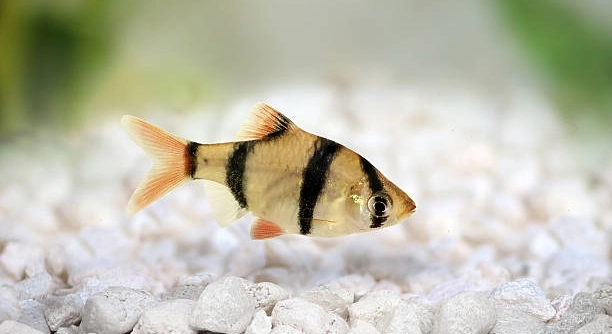
Barbs are lively and social fish, often admired for their active behavior in home aquariums. However, it is common for these fish to sometimes reduce their interaction with owners or tank mates. Recognizing the reasons behind this change can improve their care and wellbeing.
Several factors can cause a barb to stop interacting, including stress from poor water conditions, illness, changes in tank environment, bullying by other fish, inadequate diet, lack of stimulation, or natural behavioral shifts as they mature. Understanding these elements is key to addressing the problem.
Knowing why your barb behaves differently will help you create a better environment for them. This article highlights important causes and practical tips to encourage your fish’s natural social behavior.
Stress from Poor Water Conditions
Poor water quality is one of the most common reasons a barb might stop interacting. Barbs are sensitive to changes in water parameters like ammonia, nitrite, nitrate levels, pH, and temperature. If these factors are out of balance, fish can become stressed, weak, or sick, leading them to hide or avoid interaction. Regular water testing and partial water changes are essential to maintain a stable and healthy environment. Additionally, overcrowding or inadequate filtration can worsen water quality, adding to the stress. Observing your tank regularly will help you catch early signs of water problems before they affect your fish’s behavior. Stress from poor water conditions can make even the most active barb quiet and withdrawn.
Keeping the water clean and stable is key to encouraging your barb to be active and social again.
When water conditions are ideal, barbs regain energy and begin interacting normally. A well-maintained tank supports their natural curiosity and reduces stress-related behaviors, helping them feel secure in their environment.
Illness and Disease
Changes in behavior often indicate that a barb might be unwell. Illnesses caused by parasites, bacteria, or fungi can lead to lethargy or hiding. Some common signs include faded colors, clamped fins, loss of appetite, or unusual swimming patterns. It’s important to isolate sick fish to prevent spreading disease and consult a vet or aquatic specialist for treatment options. Early detection helps improve recovery chances. Often, illnesses are triggered by stress or poor tank conditions, so improving the environment can help prevent future problems. Regular observation and quick action can keep your barb healthy and interactive, making your aquarium a better place for all its inhabitants.
Changes in Tank Environment
Barbs are sensitive to any sudden changes in their surroundings. Moving decorations, rearranging plants, or adding new fish can make them nervous or withdrawn.
Such changes disrupt their sense of security. Fish rely on familiar landmarks for comfort and to establish territory. When their environment shifts, they may hide more or avoid interaction until they adjust. It can take days or even weeks for barbs to feel safe again. To help ease this transition, make changes gradually and keep some familiar elements in place. Monitor their behavior closely after any adjustment, as prolonged stress may affect their health. Maintaining a stable environment supports more consistent and lively behavior.
It’s important to avoid sudden changes that can unsettle your barb’s routine. Slow introductions and minimal disruptions keep them confident and social.
Bullying by Other Fish
Barbs can become targets of aggression from more dominant tank mates. Constant bullying leads to stress, injury, and isolation. A bullied barb often hides or avoids interaction to escape threats. This behavior is a survival tactic rather than disinterest.
Identifying bullying means watching for chasing, nipping, or cornering by other fish. If bullying is severe, separating the aggressive fish or creating hiding spots can help. Adding more plants or decorations provides shelter and reduces open spaces where attacks happen. Choosing compatible species and monitoring social dynamics are essential for a peaceful tank. Reducing bullying improves overall fish health and encourages more natural, interactive behavior in your barb. Ensuring your barb feels safe allows it to be more confident and social within the community tank.
Inadequate Diet
Barbs need a balanced diet to stay active and healthy. Poor nutrition can cause lethargy and disinterest in interaction.
Feeding a mix of high-quality flakes, pellets, and occasional live or frozen foods ensures they get necessary nutrients. A varied diet supports energy and vibrant behavior.
Lack of Stimulation
Barbs are curious fish that need mental and physical activity. A boring tank with little to explore can lead to boredom and reduced interaction.
Providing plants, hiding spots, and occasional changes in the tank setup keeps them engaged and encourages natural behavior.
Natural Behavioral Shifts
As barbs grow, their social habits may change. Some become less interactive as they mature, focusing more on establishing territory or breeding.
This shift is normal and part of their lifecycle. Recognizing these patterns helps in adjusting care and expectations.
FAQ
Why is my barb hiding all the time?
Barbs often hide when they feel stressed or unsafe. Common causes include poor water quality, bullying by other fish, or sudden changes in the tank environment. Hiding is a natural defense to avoid threats. Checking water parameters, observing tank mates, and keeping the environment stable can help your barb feel secure again.
How do I know if my barb is sick?
Signs of illness include faded colors, clamped fins, loss of appetite, slow movement, or abnormal swimming patterns. If you notice any of these, isolate the fish and test water quality. Treatment depends on the illness, so consulting a specialist or aquatic vet is best for proper diagnosis and care.
Can poor water quality really affect my barb’s behavior?
Yes, water quality directly impacts fish health and behavior. High ammonia, nitrite, or nitrate levels stress fish and can cause lethargy, hiding, or refusal to eat. Regular water testing and partial water changes keep the tank healthy, encouraging your barb to stay active and interactive.
Is it normal for barbs to stop interacting sometimes?
Barbs may naturally reduce interaction when they are stressed, sick, or going through life stages like maturity or breeding. These phases are temporary if conditions are good. Monitoring behavior and providing proper care usually brings them back to normal activity levels.
How can I reduce bullying in my tank?
Bullying can be minimized by choosing compatible species, providing plenty of hiding spots, and avoiding overcrowding. Rearranging decorations or adding plants creates shelter, helping bullied fish escape aggressive tank mates. In extreme cases, separating aggressive fish may be necessary to protect your barb.
What should I feed my barb to keep it healthy?
A varied diet is important. Use high-quality flakes or pellets designed for barbs, supplemented with occasional live or frozen foods like brine shrimp or bloodworms. This variety ensures proper nutrition, keeps your fish energetic, and encourages natural foraging behavior.
Can changing the tank setup cause my barb to stop interacting?
Yes, sudden changes in tank layout can stress barbs, as they rely on familiar surroundings for comfort. Rearranging plants or decorations too quickly may make them hide or act withdrawn. Introduce changes slowly and keep some familiar areas intact to help your fish adjust.
How much space do barbs need to feel comfortable?
Barbs are active swimmers that thrive in groups and need enough space to move freely. A minimum of 20 gallons for a small group is recommended. Overcrowding leads to stress and aggression, which can cause fish to hide or stop interacting.
Can barbs live peacefully with other fish?
Barbs can coexist with many species but may nip fins or bully slower or long-finned fish. Selecting compatible, equally active tank mates reduces conflicts. Keeping plenty of plants and hiding places also promotes peace in the tank.
When should I consult a specialist about my barb’s behavior?
If your barb shows prolonged hiding, loss of appetite, physical signs of illness, or aggressive behavior that you cannot manage, seek advice from an aquatic veterinarian or fish expert. Early intervention improves the chances of recovery and helps maintain a healthy tank environment.
Barbs are lively fish that bring energy and color to any aquarium. When they stop interacting, it can be worrying. Many reasons can cause this behavior, including stress, illness, or changes in their environment. Understanding these causes is important to help your fish return to their normal, active selves. Maintaining good water quality, providing a balanced diet, and keeping a stable tank setup are basic but essential steps. These actions create a healthy space where barbs feel safe and comfortable, encouraging natural behavior.
Sometimes, barbs may hide or become less social due to bullying or overcrowding in the tank. Aggression from other fish can make barbs retreat and avoid interaction. Adding plants or decorations offers hiding places and reduces stress by breaking lines of sight. Choosing tank mates that get along well with barbs is also important. Careful observation can help you spot signs of bullying early, allowing you to take action before it affects your fish’s health. Simple adjustments often improve social dynamics, making the aquarium a better home for all its inhabitants.
It is also normal for barbs to change their behavior as they grow or during certain life stages. These shifts may include being less active or more territorial. Patience and attention to their needs will help you recognize when behavior is natural or when it signals a problem. Providing a varied diet, stable water conditions, and enrichment in the tank will support your barb’s wellbeing. Overall, keeping your fish healthy and stress-free leads to more interaction and enjoyment in watching them thrive. Taking care of barbs is rewarding, and understanding their behavior helps create a peaceful, lively aquarium environment.

Hello,
If you enjoy the content that we create, please consider saying a "Thank You!" by leaving a tip.
Every little bit helps us continue crafting quality advice that supports the health, happiness, and well-being of pets around the world, for pets of all shapes, sizes, and species.
We really appreciate the kindness and support that you show us!