
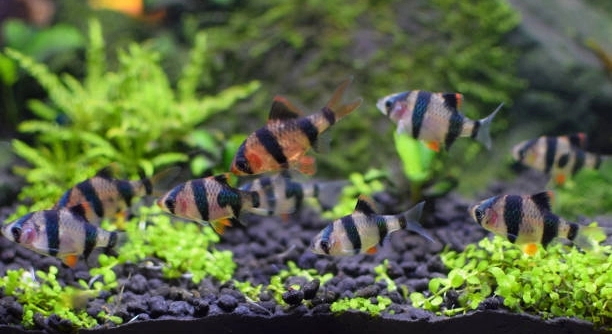
Tiger barbs are lively and colorful fish, but they can become stressed quickly in the wrong conditions. Many common mistakes in care can lead to their discomfort and health problems. Recognizing these errors is key to keeping them happy.
Stress in tiger barbs is often caused by overcrowding, poor water quality, inadequate diet, sudden changes in environment, lack of hiding spaces, aggressive tank mates, and improper tank setup. These factors disrupt their well-being and trigger rapid stress responses.
Avoiding these pitfalls will improve your tiger barbs’ health and behavior. Understanding the causes of their stress will help maintain a balanced and peaceful aquarium environment.
Overcrowding and Its Impact on Tiger Barbs
Tiger barbs need enough space to swim freely and establish their territories. When the tank is overcrowded, they become stressed due to limited movement and increased competition for resources. Overcrowding also raises waste levels in the water, which affects water quality and fish health. Stress from overcrowding can cause tiger barbs to become more aggressive, leading to fights and injuries. Providing at least 20 gallons for a small group of tiger barbs helps reduce stress. Keeping the right number of fish per tank size is essential. Adequate filtration and regular water changes can help manage the increased waste caused by more fish in the tank. By maintaining proper space and water conditions, tiger barbs can exhibit natural behaviors and remain healthy.
Too many fish in a small tank limit space and increase waste, both of which contribute to stress in tiger barbs.
Managing tank size and fish count carefully creates a balanced environment where tiger barbs thrive, reducing stress and aggression.
Poor Water Quality
Maintaining clean water is vital for tiger barbs’ well-being. Poor water quality from excess waste, leftover food, or infrequent water changes exposes fish to harmful toxins like ammonia and nitrites. These toxins cause stress and can damage the fish’s gills, immune system, and overall health. Regular testing of water parameters helps catch problems early before they escalate. Using a good filtration system supports water cleanliness and reduces harmful chemicals. Changing 25-30% of the tank water weekly keeps conditions stable. Avoid overfeeding, as uneaten food quickly decomposes and pollutes the water. When water quality is poor, tiger barbs may lose color, stop eating, or swim erratically. Keeping the water clean creates a healthy environment that minimizes stress and supports natural behavior.
Ensuring good water quality requires regular maintenance and monitoring, which protects tiger barbs from harmful conditions and stress.
Inadequate Diet
Tiger barbs need a balanced diet to stay healthy and avoid stress. Feeding only one type of food or poor-quality flakes can lead to nutritional deficiencies. A variety of foods including pellets, live or frozen brine shrimp, and vegetables supports their well-being.
A varied diet helps maintain vibrant colors and energy levels in tiger barbs. Protein from live or frozen foods supports growth and immune health, while plant matter adds necessary fiber. Overfeeding should be avoided to prevent water pollution and obesity, which can increase stress and illness. Providing small amounts two to three times daily keeps their digestive system balanced and the tank clean.
Regularly rotating food types and paying attention to your tiger barbs’ eating habits will ensure they get the nutrients needed to stay strong and stress-free.
Sudden Environmental Changes
Sudden changes in temperature, lighting, or water conditions can shock tiger barbs and cause immediate stress. Stable environments with gradual adjustments help fish adapt without strain. Avoid rapid temperature swings or abrupt water chemistry shifts.
Maintaining steady water parameters is key to tiger barbs’ comfort. Introducing new tank mates or rearranging the tank can also create stress if done abruptly. Slowly acclimating fish to new water, using dim lighting during changes, and minimizing disturbances helps reduce stress responses. Consistency in feeding and daily routines supports their sense of security.
Taking time with any environmental change will protect your tiger barbs from avoidable stress and maintain a peaceful tank atmosphere.
Lack of Hiding Places
Tiger barbs need places to hide to feel safe. Without enough cover, they become vulnerable and stressed.
Plants, rocks, and decorations provide shelter and reduce aggression. Creating hiding spots helps tiger barbs relax and lowers their stress levels.
Aggressive Tank Mates
Keeping tiger barbs with overly aggressive or very timid fish causes stress. Aggressive species may bully them, while shy fish may trigger constant chasing.
Choosing compatible tank mates like other active, medium-sized fish helps maintain peace. Avoid overcrowding and watch interactions to prevent ongoing stress and injury.
Improper Tank Setup
A tank that lacks proper filtration or has incorrect temperature causes stress. Tiger barbs need stable, clean water and a temperature around 74-79°F.
Setting up a well-filtered tank with suitable heating creates a healthy environment. Regular maintenance prevents stress caused by poor conditions.
FAQ
How can I tell if my tiger barbs are stressed?
Stress in tiger barbs often shows through changes in behavior and appearance. They may become less active, lose their bright colors, or hide more than usual. Aggressive behavior, loss of appetite, and erratic swimming are also signs. Observing these symptoms early helps prevent health issues.
What is the best tank size for tiger barbs?
A minimum of 20 gallons is recommended for a small group of tiger barbs. They are schooling fish, so keeping at least six together helps reduce stress. More space allows them to swim freely and establish territories, which lowers aggression and supports healthy behavior.
How often should I change the water?
Changing 25-30% of the tank water weekly is ideal. Regular water changes remove toxins and maintain stable water quality. Avoid changing too much water at once, as this can shock the fish. Testing water parameters regularly helps determine if more frequent changes are needed.
What foods are best for tiger barbs?
Tiger barbs thrive on a varied diet. High-quality flakes or pellets can form the base, supplemented by live or frozen foods like brine shrimp or bloodworms. Including some vegetable matter, such as blanched spinach or peas, ensures they get essential nutrients. Avoid overfeeding to prevent water pollution.
Can tiger barbs live with other fish?
Yes, but tank mates should be carefully chosen. Compatible fish include other active, medium-sized species like danios, barbs, and some tetras. Avoid slow-moving, long-finned, or very shy fish, as tiger barbs may nip or bully them. Monitor interactions and provide plenty of hiding places.
What water temperature is best for tiger barbs?
Tiger barbs do well in temperatures between 74°F and 79°F (23°C to 26°C). Keeping the temperature stable within this range helps reduce stress and supports their immune system. Sudden fluctuations should be avoided as they can shock the fish.
How do I reduce aggression in tiger barbs?
Keeping tiger barbs in groups of six or more spreads out aggression and creates a natural social hierarchy. Providing plenty of space, hiding spots, and a well-planned tank layout helps. Avoid overcrowding and stressful conditions that can increase aggression.
What causes sudden death in tiger barbs?
Sudden death is often linked to poor water quality, disease, or extreme stress. Regular maintenance, proper diet, and stable tank conditions reduce risk. Quarantining new fish before introducing them also prevents the spread of illness.
How can I introduce new tiger barbs to an established tank?
Acclimate new fish slowly by floating their bag in the tank to equalize temperature. Gradually mix tank water into the bag over an hour before release. This reduces shock and helps new tiger barbs adjust to the water chemistry.
What are common diseases that affect tiger barbs?
Ich (white spot disease), fin rot, and bacterial infections are common. Poor water quality and stress increase vulnerability. Quarantine new fish, keep water clean, and observe fish regularly for signs of illness like spots, torn fins, or unusual behavior. Early treatment is key to recovery.
Final thoughts on caring for tiger barbs focus on the importance of consistent and attentive care. These fish are active and social, but they can become stressed quickly if their environment is not suitable. Avoiding common mistakes like overcrowding, poor water quality, and inadequate diet helps create a healthy and stable habitat. Paying close attention to their behavior and tank conditions can prevent many issues before they become serious problems. Taking the time to maintain the tank properly and provide a balanced diet will ensure your tiger barbs stay vibrant and lively.
Understanding the needs of tiger barbs also means being aware of how environmental changes affect them. Sudden shifts in temperature, lighting, or water chemistry can cause stress that impacts their health. Providing hiding places and compatible tank mates contributes to a peaceful environment where tiger barbs feel secure. Keeping their space clean and stable reduces aggression and supports their natural behaviors. Regular monitoring and care are essential to making sure they live comfortably and avoid unnecessary stress.
In summary, successful tiger barb care depends on creating a balanced environment through proper tank setup, regular maintenance, and thoughtful feeding. Stress in these fish is often avoidable by following simple guidelines for space, water quality, and social interaction. Remaining patient and observant allows for adjustments that improve their well-being over time. With consistent effort, tiger barbs can thrive and bring energy to your aquarium without the stress that leads to health problems.

Hello,
If you enjoy the content that we create, please consider saying a "Thank You!" by leaving a tip.
Every little bit helps us continue crafting quality advice that supports the health, happiness, and well-being of pets around the world, for pets of all shapes, sizes, and species.
We really appreciate the kindness and support that you show us!