
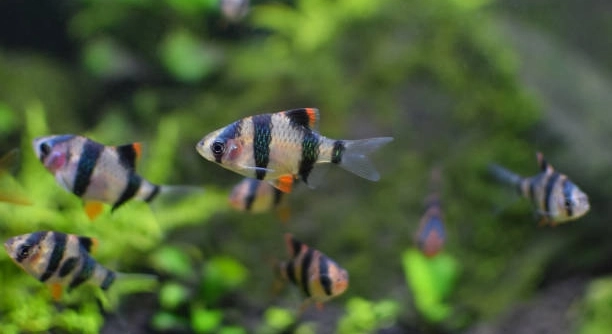
Have you ever rearranged your aquarium and wondered if your tiger barbs notice the changes you’ve made to their space?
Tiger barbs can recognize changes in their environment, including tank rearrangements. Their behavior may shift slightly as they explore the modified layout, indicating spatial awareness and a response to altered surroundings.
From behavioral shifts to social interactions, these changes offer insight into how tiger barbs perceive their environment and adjust within it.
Why Rearrangement Matters to Tiger Barbs
Tiger barbs are active, social fish that rely on their environment for stimulation and security. When their tank is rearranged, they tend to notice even small changes. These fish memorize familiar hiding spots, feeding areas, and swimming routes. Altering their setup can momentarily confuse them, but they typically adapt quickly. You might see them inspecting new plants, exploring open spaces, or even displaying more territorial behavior at first. These responses are signs of awareness and sensitivity to their surroundings. Tank rearrangement can be healthy for them when done occasionally, encouraging activity and preventing boredom in a familiar space.
Small layout changes may cause temporary stress, but tiger barbs usually adjust well within a day or two, especially if the tank still offers hiding spaces and consistent water conditions.
Adding or removing decor shifts their focus and gives them new areas to explore. These changes keep their environment mentally stimulating and help reduce repetitive swimming patterns.
Behavioral Signs to Watch For
After rearranging, you may notice changes in how your tiger barbs swim, interact, or group together. These signs reflect their response to the updated setup.
Some tiger barbs become slightly aggressive or territorial right after rearrangement. This behavior usually settles down once they reestablish their spots. They may also seem more curious, inspecting every corner of the tank with quick, darting movements. If you added new structures or plants, they might begin using them immediately, either as hiding places or new zones for dominance. Watch for signs of stress like rapid swimming or hiding more than usual—these usually pass quickly if the environment remains stable. Feeding and lighting routines should stay consistent to help them feel secure. Overall, these fish respond well to changes as long as they feel safe and have space to move freely. Rearranging their tank occasionally can actually support their activity levels and make their behavior more balanced over time.
How Often Should You Rearrange Their Tank
Rearranging too often can cause unnecessary stress, while leaving things untouched may lead to boredom. It’s best to adjust their tank layout every few months, allowing tiger barbs time to settle and explore between changes.
When changing the layout, keep some familiar elements in place. This gives them a sense of stability while still offering something new to discover. Avoid changing everything at once—move a few decorations or plants, then wait a few days before altering more. This gradual approach helps reduce stress and allows the fish to adapt more comfortably. Always monitor their behavior afterward to ensure they’re adjusting well. If aggression or hiding continues for more than a few days, consider putting some items back where they were. It’s all about finding a balance between stimulating their curiosity and maintaining a safe, comfortable space they can recognize and enjoy.
Be mindful of tank mates during rearrangement. Tiger barbs can become territorial when their environment changes, especially in smaller tanks. If other species live with them, it’s important to watch for signs of aggression. Rearranging might temporarily disrupt the group’s balance, but if done gently, it can refresh their surroundings and reduce boredom. Stick to soft changes and let them settle in gradually.
What to Avoid When Rearranging
Quick, drastic changes can overwhelm your fish. Avoid removing all decorations or hiding places at once. This makes them feel exposed and unsafe, leading to stress and more aggressive behavior in groups.
Never rearrange the tank during times of illness, after transport, or following a major water change. These are already stressful periods, and adding more change can impact their health. Stick with clean hands, avoid using soap or chemicals on any decorations, and always rinse new items in warm tank water before placing them inside. Do not move or stir the substrate too much as it may release harmful bacteria into the water. If your tank has an established biological filter, make sure it remains undisturbed and fully operational during the process. Also, avoid blocking swimming areas with bulky objects. Tiger barbs are active swimmers and need space to dart and move freely without constantly bumping into things.
Signs They’re Adjusting Well
If your tiger barbs resume normal swimming and feeding patterns within a day or two, they’re likely adjusting well. Calm interactions, steady movement, and interest in the tank’s layout are all positive indicators.
Exploring new areas, claiming territories, or lightly chasing one another can also be healthy signs of adjustment. Watch for consistent group behavior and playful activity.
When to Pause Rearrangement
If your tiger barbs show constant hiding, aggression, or reduced appetite after a layout change, pause rearranging for a while. Stress can build up quickly if changes are too frequent or dramatic. Let them return to normal before making any further modifications. Keep the lighting and feeding schedule stable during this time to help them relax. If problems persist for more than a few days, consider restoring part of the previous layout to help them feel secure again. These signs shouldn’t be ignored, especially in community tanks where stress can impact more than one species at a time.
Keep Their Preferences in Mind
Tiger barbs prefer open swimming space and low, leafy hiding spots. Leave room at the center of the tank and keep tall plants or decorations toward the back.
FAQ
Can tiger barbs become aggressive after rearranging the tank?
Yes, tiger barbs may show short-term aggression after changes in their environment. Rearranging their tank shifts their sense of territory and may cause them to re-establish dominance within the group. This behavior is common and usually settles within a few days. Provide enough hiding spaces and open swimming areas to minimize tension. Watching their behavior after rearranging helps you know when things have returned to normal. If aggression continues for more than a week, it may mean the setup isn’t working well for the group, and small adjustments could help calm things down.
Is it okay to rearrange the tank during a water change?
It’s better not to do both at the same time. Rearranging the tank and doing a major water change can be too much stress for tiger barbs in one day. If you need to do both, try spacing them out. Do the water change one day and the rearranging a few days later. This gives your fish time to adjust between changes and keeps their stress levels down. If you must do both on the same day, keep changes minimal and monitor their behavior closely afterward to ensure they stay calm and active.
How do I know if I’ve rearranged too much?
If your tiger barbs hide more often, show loss of appetite, or swim erratically after frequent rearrangements, you’ve likely done too much too soon. These fish enjoy stability with occasional novelty. A good rule is to make layout changes every few months unless something in the tank requires an earlier adjustment. Keep their routine consistent in between. Their behavior should return to normal within a couple of days after a change. If it doesn’t, go back to a layout that worked well before and avoid any big moves for a while.
What kind of decorations do tiger barbs prefer?
They enjoy a mix of open space and moderate cover. Use smooth rocks, driftwood, and live or artificial plants. Avoid sharp decorations, as these can injure them while they dart around. Floating plants can help soften light, which some tiger barbs appreciate. Arrange items so they have room to swim across the tank without constant obstacles. You don’t need a packed tank—just a layout with visual interest and places they can claim as part of their territory. Rearranging these elements once in a while can refresh their environment and boost their activity.
Should I remove the fish during a rearrangement?
There’s usually no need to remove your tiger barbs unless you’re doing a complete tank overhaul. Moving them can cause even more stress than working around them. If you’re making small changes like adjusting plants or moving decorations, it’s best to leave them in the tank. Just work slowly and avoid sudden movements. If your hands are in the water, make sure they’re clean and free of lotions or soaps. Try to rearrange during a time when the tank is well-lit, and always check water quality afterward to ensure everything stays stable.
How long does it take tiger barbs to adjust to a new layout?
Most tiger barbs adjust within a day or two. During this time, you may see extra swimming activity, exploring, or even a little chasing as they figure things out. As long as they eat normally and don’t show signs of hiding or distress, they’re likely doing just fine. The key is to observe quietly and not interfere unless there’s a clear sign of trouble. Changes in lighting, temperature, or tank mates can affect this timing, so make sure all other conditions are stable before rearranging their space. Consistency helps reduce the time they need to settle.
Can tank rearrangement help reduce boredom in tiger barbs?
Yes, occasional rearrangement gives tiger barbs new things to explore and prevents repetitive swimming behavior. A refreshed layout can also encourage more natural behavior like group swimming and mild chasing. Just be sure to keep the changes moderate so they don’t feel overwhelmed. Adding a new plant or shifting a piece of decor can be enough. Think of it as refreshing their space, not reinventing it completely. Watching their curiosity return after a change is a good sign they’re enjoying the update. Keep it simple and let them guide how often you rearrange.
Final Thoughts
Rearranging a tank for tiger barbs isn’t just about keeping things visually interesting. These active fish respond to even small changes in their environment. When done thoughtfully, rearranging can support their mental stimulation and prevent boredom. Tiger barbs use the tank layout to create patterns in swimming, choose resting spots, and decide where to feed. Giving them a slightly new setup every few months can help refresh their environment without causing stress. What matters most is keeping the changes gentle and leaving familiar elements they can recognize.
It’s important to watch how your tiger barbs behave after a change. If they seem curious, active, and are eating well, the adjustment is going smoothly. Some short-term chasing or hiding can be normal, but it shouldn’t last long. Keep routines steady—feeding at the same time and maintaining consistent lighting helps them feel secure while they adapt to their new space. Avoid big rearrangements during times when your fish are already stressed, like after travel, illness, or major water changes. Always prioritize their comfort and safety first, even if you want a fresh look in your aquarium.
A good tank setup for tiger barbs balances open swimming space with spots to hide and rest. Decorations should be safe, smooth, and easy to swim around. Changing the position of a few plants or structures once in a while can make a big difference in their activity level. Pay attention to their responses, and if something seems off, don’t be afraid to return the layout to how it was before. Rearranging a tank should never be rushed or done just for looks—it should support the natural behavior and well-being of the fish. In the end, keeping your tiger barbs happy means creating a tank that is both stable and stimulating. Small, thoughtful updates to their space can help you achieve just that.

Hello,
If you enjoy the content that we create, please consider saying a "Thank You!" by leaving a tip.
Every little bit helps us continue crafting quality advice that supports the health, happiness, and well-being of pets around the world, for pets of all shapes, sizes, and species.
We really appreciate the kindness and support that you show us!