
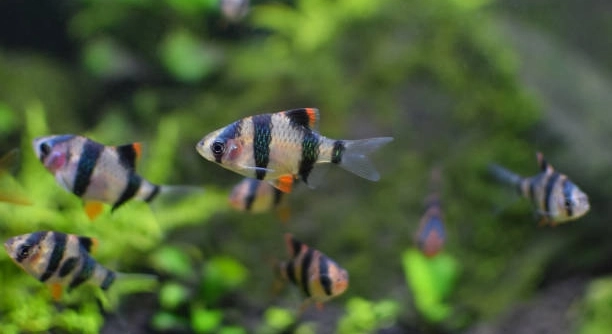
Many fish owners enjoy keeping tiger barbs for their lively colors and playful nature. Knowing the best water conditions for these fish helps them stay healthy and thrive in home aquariums. Water quality plays an important role in their overall well-being.
Tiger barbs prefer slightly soft to moderately hard water, typically between 5 to 15 dGH (degrees of General Hardness). Maintaining this range supports their natural habitat needs and promotes healthy growth and behavior in captivity.
Learning about water hardness can improve how you care for your tiger barbs. This information helps create a stable environment for your fish to flourish over time.
Understanding Water Hardness for Tiger Barbs
Water hardness refers to the amount of dissolved minerals, mainly calcium and magnesium, in the water. Soft water has low mineral content, while hard water has higher levels. Tiger barbs naturally live in streams and rivers in Southeast Asia, where water hardness varies but is usually soft to moderately hard. Keeping water hardness in the right range helps support their metabolism and overall health. If the water is too soft or too hard, it can stress the fish and affect their immune system. Testing your aquarium water regularly can help maintain the right balance. Adjusting hardness can be done with commercial products or by mixing tap water with purified or distilled water. Keeping water stable, without sudden changes, is key to preventing stress. When the hardness is correct, tiger barbs will be more active and show better coloration. Maintaining proper water hardness is a simple way to promote their well-being.
Proper water hardness supports tiger barbs’ health and activity levels.
Knowing how to measure and adjust water hardness will help you keep your fish healthy. Testing kits are affordable and easy to use, so it’s a good habit to include in regular tank care. Gradual adjustments prevent shock to the fish, making the environment more comfortable. Balancing hardness also works alongside pH control to create ideal living conditions. This attention to detail improves the lifespan and happiness of your tiger barbs. Consistent water quality encourages natural behaviors like schooling and feeding, which are important for their mental and physical health.
Effects of Hard and Soft Water on Tiger Barbs
Soft water can sometimes cause stress to tiger barbs if it lacks enough minerals. This can lead to weakened immune systems and make fish more vulnerable to disease. While tiger barbs can tolerate some softness, water that is too soft may result in poor coloration and slower growth. On the other hand, very hard water can increase the risk of skin irritation and gill damage due to mineral buildup. Hard water may also affect breeding behavior and egg survival. Ideally, maintaining moderate hardness allows tiger barbs to thrive without these risks. Monitoring your water hardness helps avoid problems before they start, ensuring a healthy environment.
Too soft or too hard water can negatively affect tiger barbs’ health and behavior.
Adjusting water hardness is essential if your tap water is outside the recommended range. Adding minerals like calcium carbonate can raise hardness, while using reverse osmosis water or peat moss can lower it. It’s important to make these changes slowly and test frequently to avoid sudden shocks. Observing your fish’s behavior and color can give clues about water quality issues. If you notice dull colors, lethargy, or unusual swimming patterns, checking hardness and other water parameters is a good first step. Keeping a balance supports not only health but also the vibrant appearance and active nature of your tiger barbs, making your aquarium more enjoyable.
Testing and Adjusting Water Hardness
Testing water hardness is simple with liquid test kits or test strips available at pet stores. These kits show the level of dissolved minerals clearly. Regular testing helps catch changes early before they harm your fish. Testing once a week is a good routine for most tanks.
If your water hardness is too low, adding crushed coral or mineral supplements can raise it gradually. For high hardness, mixing some distilled or reverse osmosis water with tap water lowers mineral levels. Making adjustments slowly over days or weeks avoids shocking your tiger barbs. Sudden changes can cause stress and illness.
Always retest after adjustments to confirm the desired hardness level. Consistent monitoring keeps conditions stable and your fish healthy. A balanced water hardness creates a supportive environment for growth and vibrant colors, helping tiger barbs stay active and strong.
The Role of pH in Water Hardness
pH measures how acidic or alkaline water is and works closely with hardness to affect fish health. Tiger barbs prefer a pH between 6.0 and 7.5, slightly acidic to neutral. Hardness often influences pH stability; very soft water can cause pH swings.
Maintaining both stable hardness and pH helps prevent stress and supports the fish’s immune system. Sudden shifts in pH or hardness may cause health problems, including disease susceptibility and reduced activity. Monitoring pH alongside hardness provides a fuller picture of water quality. Adjusting these parameters together improves the overall tank environment. This balance ensures your tiger barbs thrive with strong colors and healthy behavior.
Signs of Improper Water Hardness
When water hardness is not right, tiger barbs may show signs like faded colors or unusual lethargy. They might also scratch against objects, indicating skin irritation. Watching for these signs helps catch problems early before they worsen.
Behavior changes such as reduced appetite or hiding often signal stress due to poor water conditions. Keeping an eye on these helps maintain a healthy tank environment.
Ideal Tank Setup for Tiger Barbs
A tank with stable water hardness between 5 and 15 dGH works best for tiger barbs. Using a substrate like sand or smooth gravel mimics their natural environment. Adding live plants helps maintain water quality and offers hiding places, reducing stress. A good filtration system is essential to keep the water clean and well-oxygenated. Regular water changes help control hardness and other water parameters. Keeping the tank well-maintained ensures your tiger barbs stay healthy and active, showing their best colors and behavior.
Common Mistakes to Avoid
Changing water hardness too quickly can shock your fish and cause illness. Avoid sudden changes by adjusting hardness slowly over several days. Neglecting to test water hardness regularly increases the risk of unnoticed problems that harm your tiger barbs.
FAQ
What is the best water hardness range for tiger barbs?
Tiger barbs do best in water hardness between 5 and 15 dGH. This range matches their natural habitat and helps them stay healthy and active. Water that is too soft or too hard can stress them and cause health problems.
Can tiger barbs live in soft water?
Yes, tiger barbs can live in soft water, but it should not be too soft. Very soft water lacks essential minerals, which can weaken their immune system and affect growth. Keeping water slightly soft to moderate hardness is better for their health.
How often should I test water hardness?
Testing water hardness once a week is ideal. This helps track changes and keep water conditions stable. Frequent testing allows quick corrections before problems affect your fish.
How do I increase water hardness safely?
To increase hardness, add crushed coral or mineral supplements slowly. Make changes over several days to avoid shocking your fish. After adding minerals, retest to confirm the hardness is in the right range.
How can I lower water hardness?
Lower hardness by mixing tap water with distilled or reverse osmosis water. You can also use peat moss in your filter, which helps reduce mineral content. Always make these changes gradually and test water frequently.
Does water hardness affect pH?
Yes, hardness and pH are linked. Hard water usually has higher, more stable pH, while soft water can cause pH to fluctuate. Both should be monitored together to keep the environment balanced for tiger barbs.
What happens if water hardness is too high?
High hardness can cause skin irritation and stress. It may also affect breeding success and damage gills over time. Keeping hardness in the moderate range helps avoid these issues.
Can I use tap water directly for my tiger barb tank?
Tap water can be used if its hardness and pH are within the right range. Always test your tap water before using it and adjust if needed. Using untreated tap water with extreme hardness may harm your fish.
How do I know if my tiger barbs are stressed by water conditions?
Signs include dull colors, hiding, scratching, and reduced activity or appetite. Watching your fish closely will help you spot these signs early and check water parameters.
Is water hardness the only important factor for tiger barb health?
No, water temperature, pH, cleanliness, and diet are also crucial. Hardness is just one part of a healthy environment. Keeping all these factors balanced ensures your tiger barbs thrive.
Can water hardness affect fish disease?
Yes, improper hardness can weaken fish and increase their risk of infections. Stable and appropriate hardness supports the immune system and helps fish resist disease.
Should I adjust water hardness for breeding tiger barbs?
Breeding tiger barbs often requires slightly softer and more acidic water than normal tank conditions. Research specific breeding needs to make the right adjustments carefully.
How do live plants affect water hardness?
Live plants usually have little effect on hardness but help improve water quality by absorbing nitrates. They create a healthier environment, which benefits your fish overall.
Can I mix water hardness levels in a community tank with tiger barbs?
Mixing fish that need very different hardness levels can be challenging. Aim for a compromise range that suits most fish, or separate species into different tanks to avoid stress.
Is it okay if water hardness fluctuates a bit daily?
Small daily changes are normal, but large swings can stress fish. Try to keep water parameters as stable as possible to support tiger barb health.
What tools do I need to measure water hardness?
Liquid test kits and test strips are common and easy to use. Liquid kits tend to be more accurate. Having a good test kit is essential for regular monitoring.
How can I maintain consistent water hardness over time?
Regular water changes using water with similar hardness help maintain stability. Avoid adding large amounts of water with very different hardness at once.
Can diet affect how tiger barbs respond to water hardness?
A balanced diet supports overall health but does not change water hardness effects. Good nutrition helps fish cope better with minor water quality issues.
Are there natural ways to adjust water hardness?
Yes, adding natural materials like crushed coral to raise hardness or peat moss to lower it are common methods. These also affect other water properties, so use them carefully.
What should I do if I notice sudden changes in water hardness?
Check your water source and any recent changes to tank maintenance. Adjust gradually back to the preferred range and watch your fish closely for signs of stress.
Tiger barbs are lively and colorful fish that bring life to any aquarium. Keeping their water conditions right is important for their health and happiness. Water hardness plays a big role in this. When the hardness is balanced, tiger barbs show brighter colors and stay more active. It also helps keep their immune system strong so they don’t get sick easily. Finding the right hardness level for your tank means your fish will live longer and enjoy a better quality of life.
Maintaining water hardness is not hard if you have the right tools and knowledge. Testing your water regularly with simple kits helps you keep track of the mineral levels. If the water is too soft or too hard, you can make small changes slowly. Adding crushed coral or minerals can raise hardness, while using distilled water or peat moss can lower it. The key is to make these adjustments carefully over time, so the fish don’t get shocked by sudden changes. This steady care makes a big difference in keeping tiger barbs comfortable in their home.
Besides water hardness, other factors like pH, temperature, and cleanliness also matter. All these elements work together to create a healthy environment for your fish. Paying attention to water quality, feeding a good diet, and providing a well-maintained tank will help your tiger barbs thrive. Watching how your fish behave and look gives clues about their well-being. When everything is balanced, you can enjoy watching your tiger barbs swim happily and show off their beautiful colors. Taking care of these details is worth it for the joy that healthy fish bring to your aquarium.

Hello,
If you enjoy the content that we create, please consider saying a "Thank You!" by leaving a tip.
Every little bit helps us continue crafting quality advice that supports the health, happiness, and well-being of pets around the world, for pets of all shapes, sizes, and species.
We really appreciate the kindness and support that you show us!