
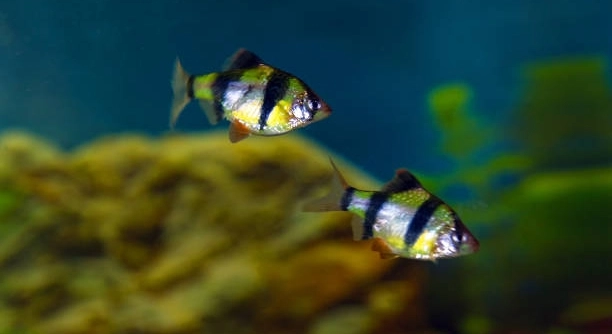
Tiger Barbs are popular freshwater fish known for their bright, striking colors that brighten any aquarium. Many fish owners enjoy watching their lively movements and vibrant appearance. However, sometimes their colors may start to fade over time.
Color fading in Tiger Barbs is often caused by stress, poor water quality, inadequate diet, or illness. These factors affect their pigment cells, leading to duller colors. Maintaining a healthy environment and proper care is essential to preserve their vibrant hues.
Understanding why Tiger Barbs lose their color helps you create the best conditions for their health and beauty. This article will guide you through the main causes and ways to keep your fish colorful and happy.
Causes of Color Fading in Tiger Barbs
Tiger Barbs can lose their bright colors for several reasons. One common cause is stress, which can happen if the fish tank is too crowded or if the water conditions change suddenly. Poor water quality, such as high ammonia or nitrate levels, also affects their health and colors. Another factor is diet. If the fish do not get enough nutrients or variety in their food, their colors may fade. Illness or parasites can weaken their immune system, making the fish look dull. Sometimes, age plays a role as older fish naturally lose some color. Paying attention to these factors helps keep your Tiger Barbs vibrant and healthy.
Maintaining stable water conditions and avoiding overcrowding reduces stress, which is key to keeping your fish colorful.
Regular testing and cleaning of the tank, feeding a balanced diet, and watching for signs of illness can help prevent fading. When you spot color loss, checking these areas is a good first step. Proper care makes a big difference.
How Water Quality Impacts Color
Water quality directly affects the health and color of Tiger Barbs. Poor water conditions make it hard for the fish to stay healthy and show their natural hues.
Clean water with stable parameters supports strong coloration. Fish are sensitive to changes in pH, temperature, and chemical levels. For example, high ammonia is toxic and stresses fish, causing dullness. Regular water changes help keep these levels safe. Filtration is also important to remove waste and toxins. Even small water changes weekly improve the environment. Using a water testing kit allows you to monitor and adjust as needed. Keeping the water clean and stable ensures your Tiger Barbs maintain their bright, beautiful colors for a long time.
Diet and Its Effect on Tiger Barb Colors
A balanced diet is essential for maintaining the vibrant colors of Tiger Barbs. Without proper nutrients, their colors will dull quickly.
Feeding Tiger Barbs a variety of foods rich in carotenoids, like spirulina, bloodworms, and high-quality flakes, helps enhance their natural pigmentation. A diet lacking these nutrients can cause color fading and weaken their immune system. It’s important to avoid overfeeding, as excess food can pollute the tank and harm water quality, indirectly affecting color. Providing fresh, nutritious food regularly keeps Tiger Barbs bright and healthy, supporting their overall well-being.
Offering occasional live or frozen foods adds essential nutrients and stimulates natural behaviors. This variety also helps maintain strong colors by ensuring they get the vitamins and minerals needed for pigment production and overall vitality.
Stress and Its Role in Color Loss
Stress reduces the ability of Tiger Barbs to display vibrant colors and can come from many sources in their environment. Overcrowding, sudden changes in water temperature, and aggressive tank mates are common stressors that can dull their appearance.
Minimizing stress involves keeping the tank clean, providing enough space, and choosing compatible fish species. Stable water conditions and a calm environment also help Tiger Barbs maintain their natural colors. Observing their behavior regularly lets you catch stress signs early. Taking quick action to improve tank conditions can restore their brightness and support their health.
Tank Environment and Color Retention
The tank environment plays a big role in keeping Tiger Barbs colorful. Proper lighting, plants, and hiding spots create a natural space where fish feel safe and display better colors.
Bright lighting highlights their vibrant stripes, while live plants improve water quality and reduce stress. A well-decorated tank encourages natural behavior and helps maintain their color intensity over time.
Age and Color Changes
As Tiger Barbs age, their colors may naturally fade. This is a normal process linked to their life cycle and metabolism.
Older fish often show less brightness than younger ones, but good care can slow this fading and keep them looking healthy longer.
Illness Impact on Color
Illness weakens Tiger Barbs and often causes their colors to fade. Common diseases include fin rot and ich, which damage skin and scales.
Early detection and treatment are crucial to prevent permanent color loss and to help fish recover their healthy appearance.
Water Temperature Effects
Water temperature influences the metabolism and color expression in Tiger Barbs. Consistent temperatures within the ideal range help maintain vibrant colors.
Sudden temperature shifts cause stress, dulling their appearance and making them more vulnerable to illness.
FAQ
Why are my Tiger Barbs losing color suddenly?
Sudden color loss in Tiger Barbs usually points to stress or poor water quality. Changes in water parameters like pH, ammonia, or nitrate levels can quickly affect their appearance. Stress from overcrowding, aggressive tank mates, or sudden temperature shifts can also cause colors to fade fast. Checking the tank conditions and adjusting any sudden changes can help your fish recover their colors.
Can diet alone restore faded colors in Tiger Barbs?
A healthy diet is important but not enough on its own. Feeding foods rich in carotenoids and vitamins supports pigment production, but if water quality or stress issues remain, colors may not improve. Combining a balanced diet with clean water and low stress levels gives the best chance to restore vibrancy.
How often should I test my aquarium water to prevent color fading?
Testing water at least once a week is a good practice for Tiger Barb care. Frequent testing helps catch changes in ammonia, nitrite, nitrate, and pH early, so you can act before stress or illness causes color loss. Regular water changes paired with testing create a stable environment for healthy fish.
Is it normal for older Tiger Barbs to look less colorful?
Yes, color fading with age is natural in Tiger Barbs. As fish get older, their metabolism slows, and pigment cells reduce in activity. While you can’t stop aging, keeping their environment clean, feeding well, and reducing stress can help older fish maintain better color for longer.
Can poor lighting cause Tiger Barbs to lose their colors?
Poor or insufficient lighting can make Tiger Barbs appear dull. These fish show their best colors under moderate to bright lighting, which helps pigment cells stay active. However, avoid overly intense light that causes stress. A balanced lighting schedule, usually 8-10 hours a day, supports their color health.
How does stress affect Tiger Barb coloration?
Stress triggers hormonal changes that reduce pigment production, causing colors to fade. Stress can come from many sources like overcrowding, aggressive tank mates, sudden water changes, or lack of hiding places. Creating a calm tank environment with proper space and compatible fish reduces stress and helps maintain bright colors.
What are signs of illness that might cause color fading?
Signs include lethargy, loss of appetite, clamped fins, white spots, or torn fins. Illness weakens fish and often dulls their color. Prompt treatment of infections or parasites is necessary to prevent permanent color loss and improve overall health.
Can water temperature fluctuations cause color loss?
Yes, sudden drops or spikes in temperature stress Tiger Barbs, leading to dull colors. Maintaining a steady temperature between 74-79°F (23-26°C) supports their metabolism and pigment health. Using a reliable heater and thermometer helps keep temperature stable.
Does tank size impact Tiger Barb coloration?
A tank that is too small increases stress and reduces color quality. Tiger Barbs are active swimmers and need at least 20 gallons for a small group. Providing enough space prevents stress-related color fading and promotes natural behavior.
Are there specific foods that enhance Tiger Barb colors?
Foods rich in carotenoids like spirulina, krill, and bloodworms boost red and orange hues. High-quality flakes or pellets with natural color enhancers also help. Feeding a varied diet ensures they get all necessary nutrients to keep their colors bright.
How long does it take for colors to return after fixing problems?
It can take days to weeks for Tiger Barbs to regain full color after improving conditions. Recovery speed depends on the severity of stress or illness. Consistent care with clean water, proper diet, and low stress is essential for gradual color restoration.
Can tank mates cause Tiger Barbs to lose color?
Yes, aggressive or nippy tank mates stress Tiger Barbs, causing color fading. Choosing peaceful or similarly sized species reduces conflict. Providing hiding places also helps fish feel secure and maintain their vibrant colors.
Is color fading reversible in Tiger Barbs?
Often, yes. Addressing causes like poor water quality, diet, and stress usually helps restore colors. However, severe illness or old age may cause permanent fading. Early action gives the best chance to keep Tiger Barbs looking their best.
Taking care of Tiger Barbs and keeping their colors bright requires attention to several important factors. Water quality is one of the most critical aspects. Clean, well-maintained water with the right temperature and chemical balance helps fish stay healthy and colorful. Regular testing and water changes prevent harmful buildup of toxins like ammonia and nitrate, which can stress the fish and cause their colors to fade. Along with clean water, providing enough space in the tank and avoiding overcrowding helps reduce stress. Stress is one of the main reasons Tiger Barbs lose their bright stripes and patterns, so creating a calm, stable environment is very important.
Another key part of caring for Tiger Barbs is feeding them a proper diet. These fish need foods rich in nutrients that support their natural pigmentation. Feeding a variety of high-quality flakes, pellets, and occasional live or frozen foods gives them the vitamins and carotenoids needed to keep their colors strong. Overfeeding should be avoided since it can pollute the water and lead to health problems. Watching your fish for signs of illness or stress can also help you catch problems early, before their colors start to dull. If illness is suspected, prompt treatment is needed to help them recover quickly and avoid permanent damage to their appearance.
Lastly, it’s important to remember that some color changes happen naturally. As Tiger Barbs age, their colors may become less vibrant, even with the best care. Lighting and tank decoration also play roles in how bright they appear. Proper lighting helps pigment cells stay active, and a tank with plants and hiding places makes the fish feel safe. Keeping an eye on all these factors will help your Tiger Barbs maintain their beautiful colors for as long as possible. With steady care and attention, these lively fish will continue to bring color and life to your aquarium.

Hello,
If you enjoy the content that we create, please consider saying a "Thank You!" by leaving a tip.
Every little bit helps us continue crafting quality advice that supports the health, happiness, and well-being of pets around the world, for pets of all shapes, sizes, and species.
We really appreciate the kindness and support that you show us!