
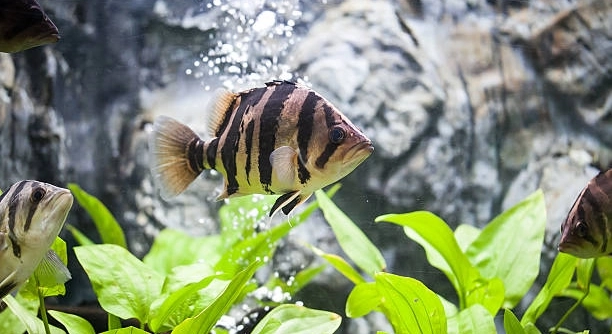
Are your barbs showing signs that they might be ready to spawn soon? Many fish keepers notice subtle changes in behavior and appearance when this time approaches. Recognizing these signs helps in preparing a proper environment for successful breeding.
Barbs ready to spawn display specific indicators such as increased activity, brighter coloration, and frequent interactions with tank plants or substrate. Males often chase females, and females develop a fuller belly as eggs mature. Monitoring these behaviors supports timely breeding management.
Knowing these signs can make a big difference in caring for your fish. It helps create the best conditions for their health and the new generation to thrive.
Increased Activity and Restlessness
When barbs are ready to spawn, you’ll often see a noticeable increase in their activity levels. They tend to swim more actively around the tank, sometimes darting back and forth rapidly. This restlessness is a natural behavior linked to their readiness to reproduce. Males may chase females more often, sometimes nudging or lightly bumping them. The chasing helps stimulate the female and encourages egg release. You might also observe them spending more time near plants or gravel where they could deposit eggs. This behavior is a clear sign they are preparing for spawning. Watching these movements carefully can help you decide when to adjust tank conditions or separate fish if needed.
Barbs may also become more territorial during this time, particularly males. They might defend certain areas of the tank more aggressively than usual.
Observing these active behaviors is important. It helps you prepare by providing hiding spots and a clean environment, which encourages successful spawning and protects the eggs once laid.
Color Changes in Barbs
Barbs often display brighter and more intense colors when ready to spawn. This change is especially noticeable in males, who show vivid hues to attract females and signal their fitness. The brightening of colors can happen over several days and may vary depending on the species. Females might show a slight change too, but it is usually less dramatic. This color boost is a natural part of their breeding process and helps trigger mating behavior.
Color changes can also indicate good health and proper nutrition. If your barbs look dull or faded, they may not be ready or healthy enough to breed.
Pay attention to the vibrancy of your fish’s colors during the spawning season. Enhancing lighting and providing a balanced diet can support this natural process. Proper tank maintenance also encourages these color shifts and successful reproduction.
Full Belly and Rounded Abdomen
A female barb’s belly becomes noticeably fuller as eggs develop inside. This rounded abdomen is a clear sign she is ready to spawn soon. The size change is gradual but easy to spot when you compare her to other females.
The fullness of the belly can vary depending on how many eggs she is carrying. It’s important to avoid stressing her during this time, as stress may cause her to release eggs prematurely or harm her health. Keeping the tank calm and stable will support her well-being. Watching her shape closely gives you a good idea of when spawning might happen.
If you notice a sudden shrinking of her belly without eggs being laid, it could mean the eggs were absorbed or lost, which can happen if conditions aren’t ideal. Maintaining good water quality and diet helps prevent this.
Nesting and Egg-Laying Behavior
Barbs begin to focus on creating a safe spot for their eggs. They may clean surfaces like plants, tank glass, or gravel by nibbling or brushing against them. This behavior prepares the area for egg attachment.
You might also see barbs swimming close to these cleaned spots and spending more time nearby. This is part of their natural instinct to protect the eggs once laid. The female will scatter eggs on these surfaces, and males will follow to fertilize them externally.
Providing plenty of plants or spawning mops encourages this behavior and increases the chances of successful breeding. Keeping the environment quiet and stable during this phase reduces stress, helping the barbs complete their spawning cycle smoothly.
Chasing and Courtship Behavior
Males often chase females more persistently when ready to spawn. This behavior is part of their courtship ritual. The chasing can look aggressive but is normal and helps stimulate the female to release eggs.
This chasing usually happens around plants or hiding spots. It shows the males’ readiness to breed and increases the chances of successful fertilization.
Increased Hiding and Nest Guarding
After eggs are laid, barbs may become more protective. They guard the nesting area closely, watching for potential threats. This behavior helps ensure the eggs remain safe from other fish or disturbances.
Changes in Appetite
Barbs may eat less just before spawning. Their focus shifts toward reproduction, so feeding behavior can decrease temporarily. This is a natural part of the process and usually returns to normal after spawning.
FAQ
How long does it take for barbs to spawn once they show signs?
Once barbs start showing spawning signs, it usually takes between two to five days for the actual spawning to happen. This timeframe can vary depending on water temperature, diet, and tank conditions. Warmer water generally speeds up the process, while cooler temperatures may delay it. Ensuring stable water parameters during this period is important to encourage successful spawning. Watching closely for increased activity and belly fullness can help predict the right time.
Can all types of barbs spawn in a community tank?
Not all barbs will spawn successfully in a community tank. Some species are more aggressive and might harm eggs or fry. Also, other fish may eat the eggs before they hatch. If you want to breed barbs, providing a separate breeding tank with hiding spots and controlled conditions is best. It reduces stress for the parents and improves survival chances for the young.
What water conditions are best for spawning barbs?
Barbs usually prefer slightly soft, slightly acidic to neutral water for spawning. A temperature between 75°F and 80°F (24°C to 27°C) is ideal. Keeping the water clean with regular changes helps prevent fungus and bacteria from affecting eggs. Adding live plants or spawning mops gives the barbs places to lay eggs and hide.
Should I remove the parents after spawning?
It’s generally recommended to remove adult barbs after spawning because they might eat the eggs or fry. Some species are less aggressive, but most will view the eggs as food. Moving the parents to another tank keeps the eggs safe and increases the chance of fry survival. Be gentle during this transfer to avoid stressing the fish.
How can I tell if the eggs are fertilized?
Fertilized eggs usually appear clear or slightly yellowish and will develop tiny eyes within a couple of days. Unfertilized eggs often turn white or cloudy and can become covered with fungus. Removing unfertilized eggs promptly helps prevent fungus from spreading to healthy ones. Observing eggs daily will give you a better sense of their progress.
How long does it take for barb eggs to hatch?
Barb eggs typically hatch within 24 to 48 hours after being laid, depending on water temperature. Warmer water speeds up hatching. After hatching, fry remain near the spawning site for a few days before swimming freely. During this time, they feed on their yolk sacs and need gentle care.
What do barb fry eat after hatching?
Newly hatched barb fry need very small foods like infusoria or liquid fry food. After a few days, they can start eating freshly hatched brine shrimp or finely crushed flakes. Feeding small amounts several times a day supports healthy growth. Keeping water clean during this time is also important for their survival.
Can I breed barbs without special equipment?
Yes, barbs can be bred in a simple setup as long as you provide clean water, proper temperature, and hiding places. A small tank with plants or spawning mops works well. Avoid overcrowding and keep the water stable. Although special equipment can help, it’s not always necessary for basic breeding.
How often can barbs spawn?
Barbs can spawn multiple times during their breeding season, sometimes every few weeks if conditions are ideal. However, allowing the fish to rest between spawnings is important to keep them healthy. Overbreeding can weaken females and affect their lifespan. Monitoring their health and behavior helps manage breeding frequency.
What should I do if my barbs don’t spawn despite signs?
If barbs show signs but don’t spawn, check the water quality and temperature first. Make sure they have enough plants or spawning sites. Stress from tank mates, poor diet, or unstable conditions can also prevent spawning. Adjusting these factors often encourages the fish to complete the spawning process. Sometimes patience is needed, as barbs may take longer to feel comfortable.
Understanding when your barbs are ready to spawn can make a big difference in how you care for them. Recognizing the signs, such as increased activity, color changes, and a fuller belly, helps you prepare the tank and provide the right environment. This preparation is important to support the health of both the adult fish and their eggs. Making simple adjustments, like improving water quality or adding plants, can encourage successful breeding. Watching your barbs closely during this time shows you when to take action, which benefits everyone involved.
Spawning is a natural process, but it also needs some care from the fish keeper. Stress can harm the fish or cause them to lose eggs, so keeping the tank calm and stable is key. Providing hiding spots and maintaining clean water helps protect the eggs and fry once they arrive. Removing adult fish after spawning is often necessary to prevent eggs from being eaten. Feeding the fry properly and keeping the environment safe supports their growth and survival. These small steps make a big impact on the overall success of breeding barbs.
Every fish keeper wants their barbs to be healthy and happy, especially when breeding is involved. Knowing the signs that barbs are ready to spawn allows you to be more attentive and responsive. It also makes the process smoother for the fish and more rewarding for you. With patience and care, you can create a good space for your barbs to reproduce and grow new generations. This helps keep your aquarium lively and full of energy.

Hello,
If you enjoy the content that we create, please consider saying a "Thank You!" by leaving a tip.
Every little bit helps us continue crafting quality advice that supports the health, happiness, and well-being of pets around the world, for pets of all shapes, sizes, and species.
We really appreciate the kindness and support that you show us!