
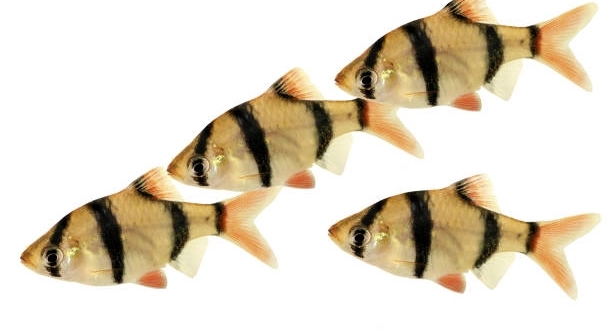
Tiger barbs are small, active fish known for their bright stripes and lively behavior. They often show strong personalities in community tanks. Many aquarists notice how these fish interact with their environment and other tank mates.
Tiger barbs guard tank spots primarily to establish territory and protect resources. Their natural instinct to defend areas helps reduce competition and maintain social order within the aquarium. This behavior is especially noticeable around favored hiding places or feeding zones.
Learning about their guarding habits can improve how you set up your tank. Understanding these behaviors helps create a peaceful environment for all your fish to thrive.
Understanding Territorial Behavior in Tiger Barbs
Tiger barbs show territorial behavior that can be surprising at first. In a community tank, they often pick a favorite spot and act as if it belongs solely to them. This behavior is natural and helps them feel secure. The chosen area might be near plants, decorations, or hiding spots where they can retreat quickly. When other fish get too close, tiger barbs may chase or nip at them to keep their space. This is especially common when the tank is small or crowded, which can increase competition. Recognizing this behavior allows you to manage the tank better and reduce stress for all fish. Providing enough hiding spaces and a larger environment can help ease territorial tensions.
Territorial behavior is more about security than aggression. They want to protect their safe zone, not to harm others.
Keeping these points in mind can help you set up a tank where tiger barbs and other fish coexist peacefully, minimizing conflicts and promoting a healthy environment.
How Tank Size Affects Guarding Behavior
Tank size plays a big role in how strongly tiger barbs guard their spot.
In smaller tanks, space is limited, and tiger barbs feel the need to defend their area more fiercely. When the territory is crowded, they may become more aggressive or stressed, which affects their health and the tank’s overall balance. A larger tank provides more room for multiple fish to claim different spots without constant conflict. This reduces aggression and allows natural behaviors like schooling to come through, making your aquarium a calmer place. In addition, having ample swimming space keeps the fish active and healthy. Ensuring proper tank size is one of the easiest ways to manage territorial behavior while keeping your fish happy. Providing a well-planned layout with hiding spots and open swimming areas also helps balance their instincts and peaceful coexistence.
Signs Your Tiger Barbs Are Guarding a Spot
Tiger barbs often circle a particular area, chasing other fish away. You might notice increased fin-nipping or sudden darting movements near their chosen spot. This behavior can be subtle but becomes more obvious during feeding times or when new tank mates are introduced.
Guarding behavior can sometimes look like bullying, but it’s really about protecting territory. When tiger barbs feel threatened, they become more active and aggressive around their spot. They may repeatedly return to the same place and defend it against other fish. It’s important to observe these signs to adjust your tank setup or fish groupings as needed. This helps keep the tank peaceful and reduces stress for all fish involved.
Being aware of these signs allows you to make changes before conflicts escalate. Adding decorations or plants can help break up the space and give other fish places to hide from the barbs’ watchful eyes.
How Social Dynamics Influence Guarding Behavior
Tiger barbs live best in groups, and social dynamics affect how they guard spaces. In larger groups, individual fish are less likely to defend a single spot aggressively. The presence of many fish spreads attention and reduces competition. However, in smaller groups, territorial guarding becomes more intense because fewer fish compete for the same areas. Group size influences their behavior, so maintaining an appropriate number helps balance social order.
The hierarchy within the group also plays a role. Dominant fish tend to guard the best spots, while others accept less desirable areas. Understanding this helps you plan tank mates and group sizes to minimize aggression and create a more stable environment where tiger barbs can thrive.
Why Tiger Barbs Prefer Certain Tank Spots
Tiger barbs tend to choose spots that offer shelter and good visibility. These locations help them feel safe while keeping an eye on their surroundings. Plants, rocks, or decorations often become their favorite places.
Having these preferred spots allows tiger barbs to establish a home base. This reduces stress and helps them feel secure in the tank.
Managing Aggression Through Tank Decoration
Using plants, rocks, and other decorations helps break the line of sight between fish. This reduces aggression by limiting how often tiger barbs see each other. Providing plenty of hiding spots lets less dominant fish escape when needed, lowering stress and conflict in the tank.
Feeding and Guarding Behavior
Tiger barbs become more protective around feeding times. They often guard their favorite spots more strictly when food is involved, as competition increases.
Balancing Tank Communities
Choosing peaceful tank mates helps reduce territorial disputes. Avoiding overly aggressive or timid species keeps the tank balanced.
Why do tiger barbs guard specific spots in the tank?
Tiger barbs guard spots mainly to claim territory and feel safe. These spots usually offer shelter or a good view of the surroundings. Guarding helps them reduce stress and avoid surprise attacks from other fish. It’s a natural behavior to keep control over resources like food and hiding places.
Is this guarding behavior harmful to other fish?
Guarding can sometimes lead to nipping or chasing, which may stress other tank mates. However, it is usually more about keeping space than causing serious harm. Providing enough room and hiding spots helps lower this behavior. If aggression becomes too much, rearranging the tank or adding more plants can calm the situation.
How many tiger barbs should I keep together to reduce guarding?
Keeping tiger barbs in groups of six or more helps spread their attention. Larger groups reduce the chances of one fish becoming overly territorial. When fewer tiger barbs are kept, guarding and aggression tend to increase because the social balance is harder to maintain.
Can tiger barbs guard spots against other species?
Yes, tiger barbs will guard their favorite areas against other fish, especially if the tank is small. They defend their space to keep food and shelter for themselves. Choosing tank mates that are fast swimmers or can tolerate some chasing usually works best.
Does tank size affect guarding behavior?
Tank size has a big impact. Smaller tanks force tiger barbs to be more protective since space is limited. Larger tanks give more room for everyone, which helps reduce territorial disputes. It’s best to provide at least 30 gallons for a group of tiger barbs to keep peace.
What tank decorations help reduce guarding behavior?
Plants, rocks, and caves create natural boundaries and hiding spots. These decorations break sightlines so tiger barbs can’t always see each other or other fish. This lowers stress and aggressive guarding. A varied layout helps fish feel secure and less need to guard a single spot.
Do tiger barbs guard spots more during feeding?
Yes, feeding times often increase guarding behavior because competition for food is higher. Tiger barbs become more alert and protective near feeding areas. Feeding in multiple spots or scattering food helps reduce this tension.
How can I tell if guarding behavior is becoming a problem?
Look for frequent chasing, fin-nipping, or stressed fish hiding too much. If some fish lose scales or look injured, guarding might be too aggressive. Behavioral changes like constant darting or hiding are also signs. Adjust tank conditions or separate aggressive fish if needed.
Can tank mates influence tiger barbs’ guarding?
Certain fish can calm or worsen guarding. Peaceful, fast-moving species usually work well with tiger barbs. Slow or shy fish may become targets, increasing aggression. Avoid overly aggressive or territorial species that compete for the same space.
Will adding more plants stop tiger barbs from guarding spots?
More plants create hiding places and visual barriers, which reduce the need for guarding. However, it won’t completely stop the behavior because it’s instinctive. Plants help balance the tank environment and keep aggression lower by making it harder to claim a single territory.
Should I rearrange the tank to stop guarding?
Yes, rearranging decorations or plants can help break up established territories. Changing the layout forces tiger barbs to find new spots and reduces aggressive guarding of familiar places. It’s a simple and effective way to manage their behavior.
Are there signs that a tiger barb is the dominant guarder?
Dominant tiger barbs are often more colorful and active. They defend prime spots and chase others away regularly. Watching interactions closely helps identify which fish leads the group and guards the best territories.
Can guarding behavior affect the health of tiger barbs?
If stress from guarding or being chased is constant, it can weaken fish immune systems. Healthy tank conditions and a balanced environment are essential to reduce stress. Proper care prevents guarding from turning into harmful aggression.
Is it normal for tiger barbs to guard spots even in peaceful tanks?
Yes, guarding is a natural part of their behavior regardless of tank conditions. Even in calm tanks, they protect favorite hiding or feeding spots. Understanding this helps keep expectations realistic and manage their needs better.
What is the best way to keep tiger barbs happy and reduce guarding?
Provide a spacious tank with plenty of hiding spots and decorations. Keep them in groups of six or more and choose compatible tank mates. Feed in multiple areas and rearrange the tank occasionally. These steps create a balanced environment where guarding doesn’t become a problem.
Tiger barbs are interesting fish that naturally show guarding behavior in their tanks. This behavior helps them feel secure and protect their favorite spots, like areas with plants or decorations. While it can sometimes look like aggression, it is mostly about keeping a safe space. Understanding why tiger barbs guard spots can help you create a better tank setup. Giving them enough room, hiding places, and keeping the right group size will reduce tension and help all fish live more peacefully together.
Managing tiger barbs’ guarding habits doesn’t need to be complicated. Simple steps, like providing plenty of plants and rocks, can break up their territory and give other fish places to hide. Feeding fish in several spots helps lower competition around food, which often causes the strongest guarding behavior. Also, having a bigger tank gives tiger barbs enough space to spread out and avoid conflicts. Watching your fish and making small changes when needed can keep the tank environment calm and healthy.
Overall, tiger barbs’ guarding is a natural part of their behavior and not something to worry about too much. With proper care, these fish can live happily in a community tank without causing harm to others. Keeping their needs in mind when setting up the tank will help them feel safe and reduce guarding. Taking time to observe their behavior and adjust the environment when needed will lead to a more peaceful and enjoyable aquarium for both you and your fish.

Hello,
If you enjoy the content that we create, please consider saying a "Thank You!" by leaving a tip.
Every little bit helps us continue crafting quality advice that supports the health, happiness, and well-being of pets around the world, for pets of all shapes, sizes, and species.
We really appreciate the kindness and support that you show us!