
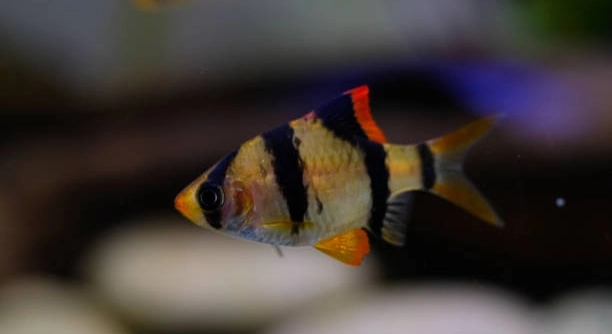
Barbering behavior in small pets can cause concern for many owners looking to keep their animals comfortable and stress-free. Understanding how to create a more secure environment helps reduce this behavior and supports the well-being of the pets.
Creating a safe and calm space, providing enough enrichment, maintaining proper nutrition, managing stress levels, and building trust are key to making barbs feel more secure. Each factor plays an important role in preventing barbering and promoting healthy behavior.
Improving your pet’s environment and daily routine can greatly enhance their sense of security and happiness over time.
Create a Calm and Safe Environment
Barbs are sensitive to their surroundings, so it’s important to keep their space calm and free from sudden noises or disturbances. A tank placed away from heavy foot traffic, loud appliances, or direct sunlight helps reduce stress. Using plants, hiding spots, and gentle lighting can make the environment feel more secure for them. Regular cleaning without harsh chemicals also prevents discomfort and keeps their habitat healthy. When barbs feel safe in their environment, they are less likely to display nervous behaviors like barbering.
A calm environment reduces stress and helps barbs stay relaxed throughout the day.
Making small changes in the tank setup can have a big impact. Adding natural decorations and places to hide gives them a sense of security. Keeping a steady temperature and avoiding drastic changes also helps. Remember, a peaceful home encourages calm behavior and prevents anxiety-driven habits.
Provide Proper Nutrition
Good nutrition is essential for barbs’ health and well-being. Feeding a balanced diet with high-quality pellets or flakes, along with occasional live or frozen foods, supports their growth and immune system. Poor nutrition can cause irritability and stress, which may trigger barbering behavior. Fresh vegetables or algae supplements can add variety and important nutrients. Avoid overfeeding, as excess food can pollute the water and create an unhealthy environment. Pay attention to their eating habits to ensure they are getting enough but not too much.
Balanced feeding prevents nutritional deficiencies and supports stable behavior.
Offering a varied diet ensures barbs get all necessary vitamins and minerals. Include protein-rich foods like brine shrimp or bloodworms a few times a week. Vegetables such as spinach or peas can be lightly blanched and added for extra nutrients. Monitoring water quality is also key, as poor water can affect digestion and health. Healthy barbs are less likely to stress and harm their own fins or those of tank mates. Regular feeding routines combined with good water care promote comfort and security.
Manage Stress Levels
Stress can lead to barbering and other negative behaviors in barbs. Keeping the tank stable and free from sudden changes helps lower stress. Avoid overcrowding and aggressive tank mates to prevent fights and tension.
Monitoring water temperature, pH, and cleanliness regularly helps maintain a healthy environment. Sudden shifts in water conditions can stress barbs and lead to unhealthy behaviors. Make sure they have enough space to swim comfortably and places to hide when feeling threatened. A peaceful community tank reduces anxiety and promotes well-being. Minimizing stressors is essential to keep barbs calm and secure.
Establishing a calm daily routine and avoiding unnecessary disturbances also helps barbs feel more at ease. Watching their behavior closely allows early detection of stress signs, so adjustments can be made quickly. A stress-free environment encourages natural, healthy behavior patterns.
Build Trust Through Interaction
Regular, gentle interaction helps barbs become more comfortable with their surroundings and caretakers. Spending time near the tank without sudden movements makes them less fearful. Hand-feeding or offering treats occasionally can create positive associations.
Consistency is key. Approach the tank calmly and avoid rapid actions that could scare them. Over time, barbs will recognize you as a source of safety and food, reducing anxiety. This trust lessens the chance they will engage in harmful behaviors like barbering. Small, steady steps in interaction build a secure bond that benefits their overall health and happiness.
Provide Enough Enrichment
Barbs need plenty of stimulation to stay healthy and happy. Adding plants, rocks, and decorations encourages natural behavior.
Toys or floating objects can keep them active and curious. A well-enriched tank reduces boredom, which helps prevent barbering and other stress-related issues.
Maintain Proper Tank Size
A spacious tank is important for barbs’ comfort. Overcrowding causes stress and aggression, leading to barbering. Each barb should have enough room to swim freely and establish personal space.
Keeping the population balanced allows for a peaceful environment where barbs feel safe and less likely to damage themselves or others.
Monitor Social Dynamics
Barbs are social but sometimes aggressive. Watching their interactions helps identify bullying or tension. Intervening when necessary keeps the group calm and secure.
How can I tell if my barbs feel insecure or stressed?
Signs of insecurity or stress in barbs include fin biting or barbering, hiding more than usual, erratic swimming, or loss of appetite. They may also display aggression toward tank mates or show dull colors. Watching their behavior closely helps catch problems early so changes can be made.
What are the most common causes of barbering in barbs?
Barbering often results from stress, boredom, poor water quality, overcrowding, or aggressive tank mates. Nutritional deficiencies or illness can also contribute. Understanding these causes is key to fixing the problem and creating a healthier environment for your fish.
Can changing the tank setup help reduce barbering?
Yes, adjusting the tank setup can greatly reduce barbering. Providing plenty of hiding spots, plants, and decorations helps barbs feel secure. Avoid placing the tank near loud noises or direct sunlight. A stable environment reduces stress and unwanted behaviors.
Is it okay to separate aggressive barbs from the group?
Separating aggressive individuals can protect weaker barbs and reduce stress in the tank. If one fish is constantly bullying others, moving it to a separate tank or larger space is a good idea. This helps create a peaceful community and prevents injury.
How often should I clean the tank to keep barbs secure?
Regular cleaning is essential but avoid disturbing the tank too much. Partial water changes once a week maintain water quality without causing stress. Clean filters and remove uneaten food regularly. A healthy tank environment supports calm and secure barbs.
What should I feed barbs to keep them healthy and prevent barbering?
Feed a balanced diet with quality pellets or flakes as a base. Supplement with live or frozen foods like brine shrimp or bloodworms a few times a week. Adding vegetables such as spinach or peas provides important nutrients. Avoid overfeeding to keep water clean and fish healthy.
How much space do barbs need to feel secure?
Barbs need enough space to swim freely and avoid stress from crowding. A general rule is at least 10 gallons for a small group of barbs, with extra space for each additional fish. Providing plenty of room lowers aggression and helps them stay calm.
Can barbs bond with their caretakers?
Barbs can become accustomed to their caretakers through gentle, consistent interaction. Approaching the tank calmly, feeding by hand, and avoiding sudden movements build trust. This connection can reduce fear and stress, making the fish feel more secure in their environment.
Are there any signs that a barb is bored or lacks enrichment?
Bored barbs may swim aimlessly, pick at their fins, or show repetitive behaviors like chasing their reflection. Lack of hiding spots or stimulation can lead to these behaviors. Adding plants, rocks, and toys encourages natural activity and helps keep them mentally healthy.
What should I do if barbering continues despite improvements?
If barbering persists, reassess the tank conditions including water quality, diet, and social dynamics. Consulting an aquatic specialist or veterinarian can help rule out illness or parasites. Sometimes a combination of changes and patience is needed to see progress.
Is barbering harmful to barbs in the long term?
Yes, persistent barbering can lead to infections, stress, and weakened immune systems. Open wounds from fin biting are prone to disease. Addressing the causes early protects your barbs’ health and improves their quality of life.
How important is tank temperature for barb security?
Keeping tank temperature stable and within the ideal range for barbs (usually 74-79°F) reduces stress. Sudden fluctuations can shock fish and encourage harmful behaviors like barbering. Using a reliable heater and thermometer helps maintain consistent conditions.
Can changing tank mates affect barbering?
Yes, choosing peaceful tank mates helps reduce stress and aggression. Aggressive or territorial fish can provoke barbering by causing fear or fights. Compatible species create a calm community tank where barbs feel safer and behave better.
What role does lighting play in barb behavior?
Proper lighting mimics natural day and night cycles, helping barbs feel secure. Too much or too little light can cause stress or disrupt sleep patterns. Using a timer for consistent light periods supports a healthy environment and natural behavior.
Barbering in barbs is a sign that something in their environment needs attention. It can come from stress, boredom, or discomfort caused by factors like overcrowding, poor water quality, or an unbalanced diet. Recognizing these signs early is important to help your fish feel safer and healthier. Taking small steps to improve their living space and care routine can make a big difference in reducing barbering behavior. It’s not about quick fixes but making thoughtful changes that support their well-being over time.
Creating a calm, clean, and enriched environment plays a central role in keeping barbs secure. Simple things like adding plants and hiding spots, maintaining good water conditions, and feeding a balanced diet all work together to reduce stress. Barbs also benefit from stable routines and peaceful tank mates, which help prevent aggressive behavior. Spending time near the tank calmly can help barbs grow more comfortable with their surroundings and their caretaker, building trust that lowers their anxiety. These combined efforts promote natural, healthy behavior and protect them from harming themselves or others.
Finally, patience is key. Changes may not show immediate results, but consistency and care will help barbs feel more secure in their home. Keep observing their behavior and adjust their care as needed. If problems continue, seeking advice from experts can be helpful. Remember, providing a safe and supportive environment is the best way to ensure your barbs stay healthy, happy, and free from stress-related behaviors like barbering. Your attention and dedication will give them the best chance to thrive.

Hello,
If you enjoy the content that we create, please consider saying a "Thank You!" by leaving a tip.
Every little bit helps us continue crafting quality advice that supports the health, happiness, and well-being of pets around the world, for pets of all shapes, sizes, and species.
We really appreciate the kindness and support that you show us!