
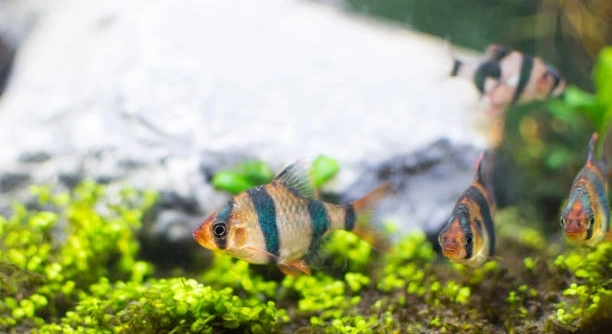
Do you ever find yourself watching your tiger barbs and wondering why they seem to chase each other near the same decoration or cave? These little fish can be full of energy and sometimes a bit territorial, too.
Tiger barbs do compete over hideouts, especially when there are limited spots available. This behavior is influenced by their natural instincts, social hierarchy, and need for security. Dominant fish will often claim the best hiding places, leaving others to fight for access.
Understanding why this happens can help you create a calmer tank environment and ensure your fish feel safe and well cared for.
Why Tiger Barbs Compete Over Hideouts
In a community tank, tiger barbs are known for being active and occasionally aggressive. They naturally form a pecking order, and hideouts often become part of that social ranking. When multiple tiger barbs share a tank, they may chase or nip each other to claim the best shelter. This behavior is more common when space is limited or when the tank doesn’t offer enough cover for every fish. The stronger or more dominant individuals will usually take control of specific hiding spots and defend them. This doesn’t always lead to serious fights, but it can cause stress, especially for less dominant fish. Adding more hiding places can help reduce competition. It also spreads out aggression and gives all the fish a chance to rest. Using plants, rocks, or decorations can make the tank feel safer for them and help balance their interactions.
Barbs don’t always fight to harm each other. Sometimes, it’s just their way of setting rules in the group.
They can also compete over hideouts if they feel insecure. This is often the case in tanks with sudden lighting, loud noise, or too much foot traffic. Providing enough cover reduces the need to fight for safety.
Creating a Peaceful Tank
A few small changes can help lower the stress levels in your tank.
Make sure there are more hiding places than fish. Spread them out across different areas of the tank. This lets fish claim spots without crowding together. Using live plants, driftwood, and caves helps a lot. It’s also important to keep your tank stocked with at least six tiger barbs. This spreads out aggressive behavior and keeps one fish from getting picked on. Avoid pairing tiger barbs with slow-moving or long-finned tank mates, since barbs may nip at them. Keep the water clean and stable—poor water conditions add to stress and fighting. Use soft lighting and avoid loud noises near the tank. Feeding them small meals a few times a day also helps keep them distracted and satisfied. When they feel secure and well-fed, they tend to compete less. With the right setup, your tiger barbs can be active without being too aggressive.
Common Triggers for Competition
Not enough space, sudden changes in lighting, or loud sounds near the tank can all lead to increased competition. When the fish feel uneasy, they’re more likely to guard hideouts or push others away from shared areas.
Tiger barbs are sensitive to their environment. If the tank is too small or lacks cover, they quickly become more territorial. A group may look calm one day and start bickering the next, especially if they feel something has changed. Rearranging decorations, cleaning too often, or adjusting the light too quickly can make them feel insecure. These small shifts can trigger a change in behavior. It’s important to notice when patterns start to change. If one fish is hiding more or showing torn fins, competition might be the reason. Keeping a consistent routine helps. Sudden noise or movement near the tank can also make them more defensive.
Feeding can also be a common trigger. If there isn’t enough food, or if all the food falls into one spot, the barbs will rush to the same area. This causes a pile-up that often turns into chasing or nipping. Spreading out food or using sinking pellets can help reduce that rush. When each fish gets its share without needing to fight for it, the group becomes more balanced. Observing how they act during feeding time can show a lot. If you notice pushing or blocking, it’s a sign they’re competing too hard for access to food or space. Little changes in feeding habits often make a big difference.
How to Encourage Better Behavior
Tiger barbs do best in groups of at least six, but bigger groups work even better. This spreads out aggression and keeps one fish from being singled out.
Use a tank that’s at least 20 gallons, though 30 gallons or more is better for larger groups. Place decorations like plants, driftwood, and rock caves throughout the tank to break up lines of sight. This helps prevent one fish from guarding too much space. You can also use floating plants to create shaded spots and reduce stress. Keep the water clean and test regularly for ammonia, nitrite, and nitrate levels. Sudden shifts in water quality or temperature can lead to restlessness and tension among fish. Adding quiet zones away from filters or bubbles helps give them space to rest. Keep a soft light schedule and avoid tapping on the glass. If your barbs are calmer, they won’t feel the need to fight over hideouts.
Signs Your Fish Are Competing
You might notice one fish always chasing others away from a certain spot. This usually means it has claimed that hideout and wants to keep it. Watch for fin nipping or sudden dashes near decorations.
Other signs include fish hiding more than usual or staying in corners. These are hints that they feel unsafe or stressed by a more dominant tank mate.
Best Types of Hideouts to Use
Good hideouts give your fish both cover and space to swim. Look for natural-looking decorations like driftwood, smooth rocks, or ceramic caves. Make sure the openings are wide enough for your barbs to swim through comfortably. Use live or silk plants to fill in empty spaces and offer shade. Avoid sharp edges or tight spots where a fish could get stuck. Spread the hideouts across the tank to prevent crowding in one area. If the fish have several places to rest and feel secure, they’ll be less likely to compete over just one. Having variety helps them feel at ease.
What to Avoid When Setting Up
Avoid using just one or two big decorations in a small tank. It invites competition. Spread out the hiding spots instead, and use items with multiple openings.
How many hideouts should I provide for my tiger barbs?
Providing enough hideouts is key to keeping your tiger barbs calm and reducing competition. A good rule of thumb is to have at least one hiding place for every fish, plus a few extras. So, if you have six tiger barbs, aim for eight or more hideouts spread throughout the tank. This helps distribute the fish evenly and lowers the chance of fights. Variety is important, too — include caves, plants, and driftwood so each fish can find a spot it prefers. When they have plenty of safe places to retreat to, they feel more secure and less likely to compete over a single hideout.
Can overcrowding cause hideout competition?
Yes, overcrowding is a common reason tiger barbs fight over hideouts. When too many fish share a small tank, space becomes limited. This forces them to compete not just for hiding spots but also for food and swimming areas. Overcrowding increases stress, which can lead to aggression. To avoid this, keep a proper stocking level based on your tank size. For example, six tiger barbs do best in a tank of 20 gallons or more. Larger tanks allow more hiding places and swimming space, reducing tension. If your tank feels crowded, consider upgrading or moving some fish to another tank.
Why do tiger barbs nip fins during competition?
Fin nipping is a common behavior during hideout disputes. It’s their way of showing dominance or warning others to stay away. While usually not harmful in small doses, frequent nipping can cause stress and injuries. It often happens when a fish guards a favored spot too aggressively or during feeding time when competition rises. To reduce fin nipping, provide enough space and hiding places, and feed the fish multiple small meals a day to avoid food rushes. Keeping the group size balanced also helps distribute aggression so no single fish becomes a constant target.
Is it normal for some tiger barbs to be more aggressive than others?
Yes, it’s normal. Tiger barbs have natural social ranks, and some individuals tend to be more dominant. These fish usually control the best hiding places and chase others away. It can look rough, but this behavior helps maintain order in the group. However, if aggression is constant and severe, it can stress or injure other fish. Make sure your tank has enough space, hiding spots, and that the group is large enough to spread aggression out. Sometimes, the most aggressive fish may need to be separated if it harms others too much.
What can I do if one fish is bullying the others?
If one tiger barb is bullying, first check if the tank has enough room and hiding places. Increasing cover often reduces bullying. You can also try adding more tiger barbs to spread out aggressive behavior. Sometimes rearranging the tank decorations breaks up territory and confuses dominant fish. If bullying continues, consider isolating the aggressive fish temporarily or permanently moving it to another tank. Always monitor bullied fish for signs of stress or injury. Providing a calm environment with plenty of food and space is the best way to minimize bullying.
Will adding plants help reduce hideout competition?
Adding plants is very helpful. Plants create natural hiding spots and break up open space, making it harder for one fish to control a large area. Live plants also improve water quality, which reduces stress. Even silk or plastic plants can work as long as they offer cover and places to hide. Placing plants in different parts of the tank encourages fish to spread out. This lowers competition for the same spots and helps shy or weaker fish find safe zones. Plants also make the tank feel more natural, which calms tiger barbs.
Does lighting affect how much tiger barbs compete over hideouts?
Yes, lighting plays a role. Bright, harsh lights can make tiger barbs feel exposed and stressed, which increases competition for shady hideouts. Soft or dim lighting helps fish feel more secure and lowers aggressive behavior. Using floating plants or adjustable lighting can create shaded areas that offer comfort. Keeping the light on a regular schedule also supports their natural rhythm. Sudden changes in lighting or very intense lights can cause restlessness and push fish to guard hideouts more aggressively. Finding the right light balance helps keep your barbs calm.
Can feeding habits impact hideout competition?
Feeding habits affect how much tiger barbs compete. If food is always dropped in one spot, fish rush together and compete aggressively, sometimes nipping fins. Feeding smaller amounts spread over several areas helps reduce the rush. Using sinking pellets or spreading flakes across the surface encourages fish to move around and share space. Feeding several times a day keeps them satisfied and less focused on fighting. Uneaten food should be cleaned up to avoid water quality problems that cause stress. Consistent feeding routines help keep peace during feeding time.
Should I separate tiger barbs if they fight over hideouts?
Separating fish can be a last resort if fighting is severe. Usually, competition can be managed by providing more space, hiding spots, and balanced group sizes. If one fish is injuring others or stress is high, consider moving the aggressive fish to a separate tank for a time. Temporary separation can calm the group and give bullied fish a break. Permanent separation is rare but sometimes necessary for health and safety. Always observe behavior closely before deciding. Most competition can be reduced with proper tank setup and care.
Are certain tank mates better to reduce competition?
Choosing compatible tank mates helps reduce stress and competition. Tiger barbs do best with active, fast-moving fish that can handle their energy, such as danios or other barbs. Avoid slow or long-finned fish that may become targets for nipping. Keeping tiger barbs in a school of six or more also spreads aggression and lowers competition over hideouts. Mixing in peaceful species that occupy different tank zones can create balance. Always research each species’ temperament before adding them to your tank. Proper pairing supports a peaceful environment for everyone.
Tiger barbs are lively fish that enjoy being part of a group. Their natural behavior includes some competition, especially when it comes to claiming hideouts or safe spots in the tank. This competition is a normal part of their social structure, where stronger fish tend to claim the best places. However, with the right tank setup and care, this behavior can be kept under control so that all fish can live comfortably together. Providing plenty of hiding spots and enough space is important to reduce stress and avoid serious fights. When the fish feel safe and secure, they are less likely to compete aggressively.
Creating a balanced environment starts with choosing the right tank size and decorations. A larger tank gives your tiger barbs room to swim and spread out, while plants, caves, and driftwood offer many places to hide. Having multiple hideouts allows fish to rest without feeling threatened. It’s also helpful to keep a group of at least six tiger barbs, which spreads out any aggression and stops one fish from being singled out too much. Feeding them regularly in small amounts can also lower competition, as hunger often causes chasing and fin nipping. By paying attention to these details, you can encourage a peaceful and active community tank.
Watching your tiger barbs carefully is important to notice when competition becomes a problem. Signs like constant chasing, fin damage, or shy fish hiding too much mean it’s time to make changes. Sometimes rearranging decorations or adding more plants can make a big difference. In rare cases, separating a very aggressive fish may be necessary for the health of the group. Overall, understanding your tiger barbs’ behavior and creating a supportive tank environment will help them thrive. With patience and care, you can enjoy watching these energetic fish without the stress of constant fighting.

Hello,
If you enjoy the content that we create, please consider saying a "Thank You!" by leaving a tip.
Every little bit helps us continue crafting quality advice that supports the health, happiness, and well-being of pets around the world, for pets of all shapes, sizes, and species.
We really appreciate the kindness and support that you show us!