
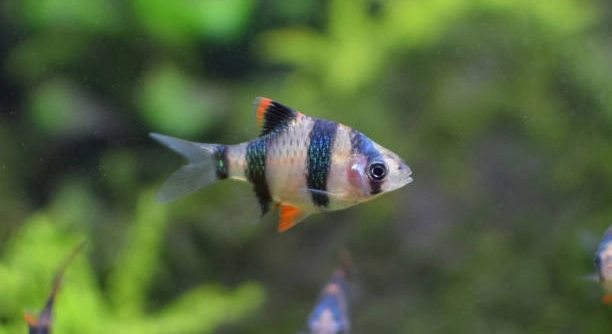
Are your barbs behaving differently since you changed their light schedule, leaving you wondering if it’s affecting their health or mood?
Light cycle changes can impact barbs in several ways, including their feeding habits, stress levels, sleep patterns, and breeding behavior. Altered lighting can disrupt their circadian rhythms, which may lead to reduced immunity and irregular activity.
Each change in light exposure carries subtle effects that may influence your barbs’ overall well-being and tank dynamics.
Disrupted Sleep Patterns
When the light cycle shifts, barbs may lose their natural sense of day and night. This can cause confusion in their sleep behavior, making them more restless during periods when they’d typically rest. Barbs depend on consistent lighting to regulate activity levels. If lighting becomes erratic, you might notice increased pacing or hiding. Over time, this lack of consistent rest may lead to stress, which weakens their immune system. While barbs are hardy, their need for routine lighting shouldn’t be overlooked. A stable schedule helps them stay calm, active, and balanced in their behavior. You may also find that consistent lighting helps reduce aggression among tank mates. Sleep plays a vital role in their recovery and energy regulation. Disrupting this with unpredictable lighting can result in a decline in health and overall activity. Simply adjusting your tank light to mimic natural daylight hours can make a noticeable difference in your barb’s behavior.
Light disturbances reduce rest time and create stress, which may eventually lead to illness. Barbs need routine to maintain health.
Maintaining a regular 10–12 hour light cycle supports healthy sleep and activity in barbs. It helps reduce anxiety, aggression, and immune-related issues that come from unpredictable day-night signals. Consistency benefits not only their mood but also their overall health.
Changes in Feeding Behavior
Light cycle shifts can make barbs less eager to eat.
Barbs rely on regular lighting cues to anticipate feeding times. When this cycle changes, their feeding rhythm can be thrown off. You might notice them ignoring food or showing less energy at feeding times. This may lead to leftover food in the tank, affecting water quality. Light cues tell them when it’s time to look for food, and without them, they may become confused or stressed. Over time, irregular eating can impact growth and energy levels. To fix this, try feeding at the same time daily and keep lighting steady. Dim lights during feeding times can help them associate food with routine. Once they feel more secure in their environment, eating habits often return to normal. A stable light-feeding schedule supports proper digestion and keeps their appetite strong. It also prevents overeating caused by confusion, helping them stay active and healthy in the long run.
Increased Stress Levels
Sudden changes in lighting can create stress in barbs, especially when day and night cycles are inconsistent. Their behavior may shift quickly, showing signs like darting, hiding, or becoming less social with other fish in the tank.
Stress in barbs often shows up as hyperactivity, sudden aggression, or loss of color. These shifts happen because light cues guide their natural routine, and when disrupted, their bodies react with confusion. A stressed barb may spend more time hiding or swimming erratically. Over time, this stress can lower their immune response, making them more vulnerable to illness. It can also lead to long-term changes in how they interact with other fish, including territorial behavior or avoiding specific tank areas. Creating a steady light routine and avoiding sudden brightness can ease their tension. Barbs do best with gradual transitions between light and dark to maintain calm, steady behavior.
A consistent lighting environment helps reduce stress triggers. Using automatic timers for tank lights creates smoother transitions and keeps barbs comfortable. Their stress responses are closely tied to their perception of safety, and stable lighting helps reinforce that. Avoid placing the tank near bright windows or switching lights on and off abruptly, as these changes can cause repeated stress.
Altered Breeding Behavior
Light cycle changes can disrupt spawning schedules, making breeding less successful for barbs. Inconsistent lighting can confuse their biological readiness, affecting both egg production and mating interest among fish pairs.
Breeding in barbs is often triggered by stable light conditions that mimic natural seasons. When light cycles shift too often, their bodies may delay or stop producing eggs and sperm altogether. You might also see reduced chasing or display behaviors that normally signal readiness to spawn. The female may not respond to males, and males may lose interest in pairing. This interruption affects both frequency and quality of breeding. By using a consistent photoperiod—typically around 12 hours of light and 12 hours of darkness—you can encourage natural cycles. Gradual changes to lighting across weeks, rather than days, are more effective when trying to initiate spawning behavior. Controlled, predictable lighting helps maintain hormonal balance and keeps barbs in sync with natural breeding patterns.
Reduced Activity Levels
Barbs may slow down when light cycles are inconsistent. They often become less curious and spend more time resting or hiding. These changes can affect their interactions with other tank mates and lower their overall energy throughout the day.
Their swimming patterns can shift noticeably. You may see them drifting near the bottom or staying in one area for extended periods. This drop in activity is often tied to a disrupted internal clock caused by erratic lighting.
Changes in Coloration
Barbs rely on regular light exposure to maintain vibrant coloration. When lighting becomes unstable, their colors may fade, especially during the times they should be most active. Bright, balanced lighting supports their pigment cells and helps them display natural hues confidently and consistently.
Shift in Social Behavior
Erratic lighting can cause barbs to isolate themselves or become territorial. Regular light cycles support group behavior and reduce tension in community tanks.
FAQ
How many hours of light do barbs need each day?
Barbs do best with 10 to 12 hours of light daily. This range helps support their natural sleep, feeding, and activity patterns. Using a timer can keep this consistent and prevent the stress caused by random lighting changes. A steady schedule improves their behavior, appetite, and overall well-being.
Can light cycle changes make barbs sick?
Yes, when barbs experience constant stress from irregular lighting, their immune system can weaken over time. This makes them more prone to infections like fin rot or ich. Stress can also lead to appetite loss, lethargy, and poor interaction with tank mates. A stable light cycle helps prevent these health problems.
Do barbs need darkness at night?
Yes, barbs need a dark period at night to rest properly. Continuous lighting can disrupt their internal clock and cause sleep disturbances. Aim for at least 10 to 12 hours of darkness to help them feel secure and maintain a natural rhythm in their daily activity levels.
What’s the best way to manage tank lighting for barbs?
Using an automatic timer is the most effective approach. Set the light to turn on and off at the same time each day. This creates a reliable pattern for barbs, helping them know when to eat, rest, and interact. Avoid manual switching, which can lead to accidental inconsistencies.
Can changing light cycles affect barb breeding?
Yes, light changes can delay or stop spawning behavior. Stable, seasonally appropriate lighting is key to encouraging barbs to breed. Many breeders use a 12-hour light cycle to mimic spring conditions. Sudden changes may interrupt hormonal cycles and reduce interest in mating or cause egg reabsorption in females.
Do light colors matter for barbs?
Barbs respond best to full-spectrum lighting that mimics natural daylight. These lights support healthy coloration, behavior, and plant growth if you have live plants in the tank. Avoid overly blue or red lighting for long periods, as it may stress the fish or cause color fading.
How do I know if my lighting is bothering my barbs?
Watch for signs like hiding, erratic swimming, faded colors, or poor appetite. If these behaviors started after a change in light timing or intensity, lighting could be the cause. Returning to a steady cycle often helps. Observe their response after a few days of stable lighting.
Can natural sunlight be used instead of tank lights?
Direct sunlight isn’t recommended. It can cause temperature spikes and lead to algae growth. It’s also inconsistent throughout the day and year. Artificial lighting gives you full control and provides the regularity that barbs need to stay healthy and active without the risk of overheating or sudden changes.
Should I turn the tank light off when the room is already dark?
Yes, even if the room is dim, the tank light should be turned off according to the schedule. Barbs rely on that clear transition to start resting. Leaving the tank light on longer just because the room is dark can confuse their rhythm and delay their rest period.
Is it okay to turn the tank light on and off randomly?
No, this creates an unpredictable environment for barbs. Random lighting changes can confuse them, increase stress, and lead to unhealthy patterns in sleep and behavior. Timed lighting is best. It builds consistency, which helps barbs feel safe and encourages stable health and social interactions.
Final Thoughts
Light cycles play a bigger role in a barb’s life than many realize. These fish depend on a steady pattern of light and dark to manage their sleep, feeding, social habits, and overall behavior. Even small shifts in lighting can create confusion and stress. A predictable routine helps them feel secure and supports their health over time. Whether you’re caring for a small group or maintaining a large tank, paying attention to your lighting schedule can make a noticeable difference in how your barbs behave and interact each day. Stable lighting doesn’t just improve their mood—it helps maintain long-term balance in the tank.
Keeping things consistent is one of the easiest ways to support your barbs. Automatic timers are useful for making sure the lights go on and off at the same time each day. Try to avoid turning lights on or off manually at random times, as this can lead to erratic behavior. If you’ve noticed any changes in their activity, feeding, or color, take a look at your light settings first. Often, the solution is as simple as returning to a regular day-night cycle. Barbs respond well to structure, and when their lighting matches what they’d experience in nature, they become more active, colorful, and sociable.
When your tank environment stays balanced, barbs are more likely to thrive. Light is just one part of that balance, but it has far-reaching effects. From encouraging breeding to helping prevent illness, proper lighting supports every part of their daily routine. Paying attention to how your barbs react to light changes can help you adjust things before problems grow. You don’t need to make complicated changes—just a steady routine with 10 to 12 hours of light each day, followed by a calm, dark period, can keep your fish healthy. A well-lit tank that runs on a consistent schedule supports not only your barbs but also the plants and overall tank harmony. With just a few adjustments, your tank can become a more comfortable space for your fish to live and grow.

Hello,
If you enjoy the content that we create, please consider saying a "Thank You!" by leaving a tip.
Every little bit helps us continue crafting quality advice that supports the health, happiness, and well-being of pets around the world, for pets of all shapes, sizes, and species.
We really appreciate the kindness and support that you show us!