
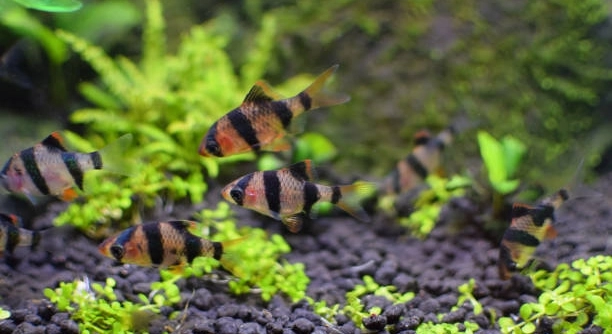
Tiger Barbs are popular aquarium fish known for their lively behavior and striking colors. Many hobbyists notice their frequent tail chasing and wonder what causes this unusual activity in their tanks. Understanding the reasons behind this behavior can help maintain a healthy environment for these fish.
Tail chasing in Tiger Barbs is often linked to stress, territorial disputes, or insufficient tank space. These fish may chase their tails as a response to overcrowding or lack of stimulation, which can lead to aggressive or repetitive behaviors. Proper tank management is essential to reduce such occurrences.
Learning more about what triggers tail chasing can improve your approach to caring for Tiger Barbs. This article explores common causes and practical solutions to help your fish thrive.
Causes of Tail Chasing in Tiger Barbs
Tail chasing in Tiger Barbs can stem from several key factors. One major reason is stress caused by overcrowding. When too many fish are kept in a small tank, they have less space to swim and establish territories. This leads to frequent chasing and aggressive behavior. Another cause is boredom or lack of stimulation. Tiger Barbs are active fish that need an environment with hiding spots and plants to explore. Without these, they may start chasing their own tails out of restlessness. Additionally, poor water quality can increase stress levels, triggering unusual behaviors like tail chasing. It is important to maintain clean water and proper tank conditions to keep them healthy. Lastly, illness or injury might cause a fish to repeatedly chase its tail, sometimes as a sign of discomfort or irritation.
Regular monitoring of tank conditions and fish behavior can help identify problems early and prevent tail chasing from becoming a serious issue.
Tail chasing is a behavior closely tied to the fish’s environment and health, which means adjusting these factors can reduce its occurrence significantly.
A well-maintained tank with enough space and enrichment will keep Tiger Barbs active and reduce repetitive chasing behaviors. Providing hiding places like plants and rocks encourages natural exploration. Keeping the water clean with regular changes prevents stress from poor conditions. Monitoring fish for signs of illness ensures prompt treatment if needed. Observing interactions between fish helps identify if overcrowding or bullying is causing aggression. Adjusting the number of fish or rearranging the tank setup can restore harmony. These steps create a balanced environment that supports both physical health and mental stimulation, reducing the chances of tail chasing.
Managing Tank Conditions for Tiger Barbs
Maintaining ideal tank conditions is vital to prevent tail chasing.
Proper tank size, water quality, and environment enrichment are key factors.
To start, Tiger Barbs need at least 20 gallons for a small group to reduce crowding stress. The water should be kept between 74°F and 79°F with stable pH levels around 6.5 to 7.0. Regular water changes help remove toxins and keep conditions stable. Adding plants, driftwood, or decorations provides places to hide and explore, preventing boredom. Avoid mixing Tiger Barbs with overly aggressive or slow-moving fish, as this can cause bullying and stress. Keeping a consistent feeding schedule with a balanced diet supports overall health. Watching how your fish interact daily allows you to spot early signs of stress or aggression. Making adjustments quickly keeps the environment peaceful and encourages natural behavior. These careful steps contribute greatly to reducing tail chasing and improving the well-being of Tiger Barbs.
Behavior Patterns to Watch
Tail chasing can be a sign of stress, illness, or social issues within the tank. Watching how often and when it occurs helps identify the cause. It is important to notice if it happens after feeding or during interaction with other fish.
Repeated tail chasing often shows frustration or discomfort. If it happens sporadically, it might not be serious, but frequent chasing suggests a problem. Observing other behaviors like hiding, loss of appetite, or lethargy helps determine the fish’s condition. Sometimes tail chasing is linked to aggression from other fish or a disrupted social hierarchy. In some cases, it could indicate parasites or infections affecting the tail area. Keeping a close eye on behavior and physical condition provides clues about health and tank dynamics. Documenting these patterns aids in making informed decisions about care and treatment.
Early recognition of abnormal behavior is key to preventing long-term harm. Adjusting the tank setup or seeking veterinary advice may be necessary if chasing continues.
Reducing Tail Chasing Through Tank Management
Ensuring proper tank size and environment is the first step. Overcrowding and lack of hiding spots often trigger chasing.
Providing enough space reduces competition and stress. Adding plants and decorations creates natural barriers and reduces aggressive encounters. Changing tank mates to compatible species also helps. Maintaining clean water and stable parameters minimizes stress and illness. Regular observation allows early detection of problems. Feeding a varied diet supports health and behavior balance. Avoiding sudden changes in the tank prevents additional stress. Sometimes, rearranging the tank layout refreshes the environment and lowers boredom. These adjustments collectively improve the fish’s quality of life and reduce repetitive chasing behavior. Consistent care and attention to detail can create a calm and healthy tank for Tiger Barbs.
When to Seek Help
If tail chasing persists despite changes, professional advice may be necessary. Persistent behavior could indicate illness or deeper stress.
A veterinarian or experienced aquarist can help diagnose health issues or recommend treatment. Early intervention improves the chances of recovery and reduces stress on the fish.
Treating Health Issues
Illnesses such as parasites, fin rot, or injury often cause tail chasing. Treatment depends on accurate diagnosis and proper medication. Quarantining affected fish prevents spread to others. Maintaining clean water supports recovery. Observing healing progress ensures the treatment is effective. Addressing health problems early prevents long-term damage and promotes wellbeing.
Tank Setup Adjustments
Changing the tank layout can reduce stress. Rearranging plants and decorations breaks up sight lines, lowering aggression and chasing behavior.
Feeding Considerations
A balanced diet supports fish health and behavior. Overfeeding or poor nutrition can contribute to stress and unwanted actions like tail chasing.
FAQ
Why do Tiger Barbs chase their tails so often?
Tail chasing in Tiger Barbs is usually linked to stress, boredom, or territorial behavior. When the tank is overcrowded or lacks hiding spots, fish can become restless and act out by chasing their tails. It may also be a sign of irritation from parasites or injury.
Can tail chasing harm my Tiger Barbs?
Yes, frequent tail chasing can cause physical damage, such as fin tears or infections. It also increases stress, which weakens their immune system. Addressing the root cause early helps prevent long-term harm and keeps your fish healthier.
How can I reduce tail chasing in my tank?
Improving tank conditions is key. Make sure your tank size is appropriate for the number of fish, provide plenty of plants or decorations for hiding, and maintain good water quality with regular changes. Avoid mixing Tiger Barbs with aggressive or slow species that could cause tension.
Is tail chasing a sign of illness?
Sometimes. If tail chasing is accompanied by other symptoms like lethargy, loss of appetite, or visible sores, it may indicate disease or parasites. In such cases, quarantining affected fish and consulting a vet or aquarist is advised.
Does tank size affect tail chasing?
Yes. Tiger Barbs need enough space to swim freely and establish territories. A small or overcrowded tank increases stress and aggression, often leading to tail chasing. A minimum of 20 gallons is recommended for a small group.
What tank mates work best with Tiger Barbs?
Choose active, similarly sized fish that can handle the Tiger Barbs’ energetic nature. Avoid slow or long-finned species, as they may be bullied or stressed. Suitable companions help reduce chasing caused by social tension.
Can diet influence tail chasing?
Yes. A poor diet can cause stress and weaken fish, making them more prone to repetitive behaviors. Feeding a varied, balanced diet supports health and reduces stress-related actions like tail chasing.
How do I know if tail chasing is caused by boredom?
If your Tiger Barbs chase their tails mainly when they lack stimulation, it’s likely boredom. Signs include constant swimming in circles or repetitive movements. Adding plants, rocks, or toys can encourage natural behavior and reduce boredom.
Should I treat tail chasing with medication?
Only if it is caused by illness or parasites. Tail chasing due to stress or environment changes does not require medication. Treating the tank’s conditions and fish interactions is usually enough to resolve the problem.
How long does it take for tail chasing to stop?
The time varies depending on the cause. Changes in tank conditions may reduce chasing within days or weeks. If caused by illness, treatment time depends on the disease. Consistent care and monitoring speed up recovery.
Is tail chasing common in all Tiger Barbs?
Not all Tiger Barbs chase their tails. This behavior tends to appear in stressful or poorly managed environments. Healthy tanks with proper care usually see little to no tail chasing.
Can tail chasing indicate aggression between fish?
Yes. Tail chasing may be part of aggressive behavior when fish compete for territory or dominance. Watching fish interactions helps identify if chasing is a sign of bullying or social stress.
Does water temperature impact tail chasing?
Extreme or fluctuating water temperatures can stress Tiger Barbs, leading to tail chasing. Maintaining stable temperatures within the recommended range helps reduce stress and related behaviors.
What immediate steps should I take if I notice tail chasing?
Check water quality and parameters first, ensuring they are within the proper range. Look for signs of injury or disease. Consider if the tank is overcrowded or lacks hiding spots. Make adjustments accordingly and observe changes.
Can adding more Tiger Barbs help reduce tail chasing?
Adding more fish may help spread aggression if the group is too small, as Tiger Barbs are schooling fish. However, overcrowding can worsen stress. Balance the number of fish with tank size for best results.
Are there any behavioral signs that accompany tail chasing?
Fish that chase their tails may also display darting movements, fin clamping, or hiding. These signs often indicate stress or discomfort needing attention.
Can rearranging the tank help stop tail chasing?
Yes. Changing the layout can break established territories and reduce aggression. It refreshes the environment and provides new exploration opportunities, lowering boredom and stress.
Is quarantine necessary for tail chasing fish?
If tail chasing is due to illness or injury, quarantining the affected fish prevents spreading disease. For behavior caused by environment, quarantine is usually not needed.
What are common mistakes that increase tail chasing?
Overcrowding, poor water quality, mixing incompatible species, and lack of environmental enrichment are common mistakes. Avoiding these helps maintain a calm and healthy tank.
How often should I monitor my Tiger Barbs for tail chasing?
Daily observation is ideal. Early detection of abnormal behavior allows quicker intervention and better outcomes. Keeping a routine check on fish behavior ensures they remain healthy and stress-free.
Tail chasing in Tiger Barbs is a behavior that many aquarium owners notice at some point. While it may seem unusual or worrying, it often signals underlying issues related to the fish’s environment or health. Understanding the causes of tail chasing can help improve the well-being of your Tiger Barbs and create a more balanced aquarium. Stress, overcrowding, lack of stimulation, and illness are common reasons for this behavior. By recognizing these factors, you can take steps to address the problem effectively and reduce the chances of tail chasing becoming a serious issue.
Maintaining proper tank conditions is one of the most important ways to prevent tail chasing. Providing enough space for your Tiger Barbs to swim freely and establishing a peaceful community with compatible tank mates reduces tension and aggression. Including plants, decorations, and hiding spots helps create a stimulating environment where fish can explore and feel secure. Regular water changes and monitoring water quality keep the tank clean and reduce stress. Paying attention to your fish’s behavior allows you to identify problems early and adjust care routines as needed. These efforts contribute to a healthier tank overall and promote natural, positive behavior among your Tiger Barbs.
If tail chasing continues despite making environmental improvements, it may be a sign of illness or injury. In such cases, consulting with a veterinarian or an experienced aquarist is recommended. Prompt treatment can prevent the condition from worsening and help your fish recover. Additionally, tailoring the diet to meet nutritional needs supports the fish’s immune system and general health. With consistent care, patience, and attention, you can minimize tail chasing and support the long-term health and happiness of your Tiger Barbs. Understanding and responding to their needs creates a thriving aquatic environment where these colorful fish can flourish.

Hello,
If you enjoy the content that we create, please consider saying a "Thank You!" by leaving a tip.
Every little bit helps us continue crafting quality advice that supports the health, happiness, and well-being of pets around the world, for pets of all shapes, sizes, and species.
We really appreciate the kindness and support that you show us!