
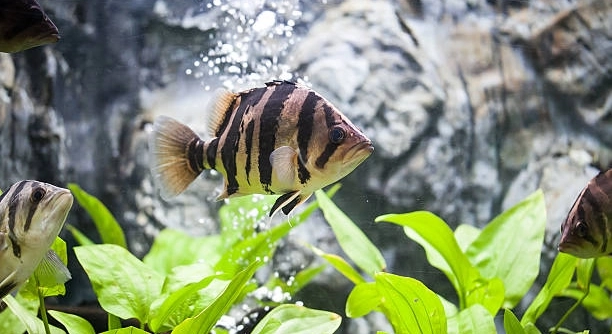
Do you enjoy keeping fish and wonder how they respond to the world around them? Tiger barbs are popular aquarium fish known for their lively behavior. Understanding their reactions to movement can improve how you care for them.
Tiger barbs do react to human movement. They are sensitive to changes outside the tank and may swim away or become more active when they notice someone nearby. This behavior shows their natural instincts to stay alert in their environment.
Learning about tiger barbs’ reactions helps you create a more comfortable space for them. This knowledge can improve your daily interactions and their overall well-being.
How Tiger Barbs Sense Movement
Tiger barbs have keen eyesight, allowing them to detect changes in their surroundings quickly. When a person moves near the tank, the fish can see the motion through the glass. This often causes them to react by swimming away or gathering together. In nature, this behavior helps them avoid predators. In an aquarium, it shows their instinct to stay safe. The glass barrier means they are not in danger, but their natural response remains strong. Sometimes, sudden movements or tapping on the glass can stress them out. To keep tiger barbs calm, it helps to move slowly and avoid loud noises near the tank. Watching them settle after noticing movement can be quite rewarding. This shows how sensitive and aware these fish really are.
Their reaction to movement is a sign of healthy instincts and alertness.
Understanding how tiger barbs respond to motion allows you to manage their environment for less stress and better health.
Tips for Interacting with Tiger Barbs
It’s best to approach the tank gently and avoid fast or jerky movements. Tiger barbs feel less threatened when your actions are smooth and calm.
Being mindful of how you move near your aquarium helps tiger barbs feel secure. Avoid tapping the glass, as it may startle them. Consistent, gentle movements build trust over time. Feeding your fish after moving calmly near the tank can also create a positive association with your presence. If the fish become too stressed, they may hide or swim erratically. Creating a quiet and stable environment helps the fish stay relaxed. Over time, they may even swim closer to you, showing they feel safe. This simple change in how you interact can make a big difference in their comfort and happiness.
How Movement Affects Tiger Barbs’ Behavior
Tiger barbs often become more active when they sense movement nearby. This increased activity can mean swimming faster or changing direction frequently.
This reaction comes from their natural instinct to stay alert. When something moves close to their tank, they might see it as a possible threat or just something new to explore. They respond by moving quickly to assess the situation or find a safer spot. This can sometimes look like sudden bursts of energy or darting back and forth. It’s their way of staying aware and ready for any changes in their environment. Over time, tiger barbs may get used to regular, gentle movements and react less strongly.
Even though they react to movement, they still need time to calm down after sudden changes. Watching their behavior helps you understand their comfort level and stress.
Creating a Calm Environment for Tiger Barbs
Reducing sudden movements and loud noises near the tank helps tiger barbs stay calm. A peaceful environment makes them feel more secure.
Maintaining a stable tank environment with minimal disturbances supports tiger barbs’ natural behavior. Consistent lighting and avoiding tapping on the glass reduce stress. If the tank is placed in a busy area, try to shield it from too much foot traffic. Adding plants or decorations can give the fish places to hide, which lowers anxiety. Feeding them on a regular schedule also creates a sense of routine. When the fish feel safe, they swim more naturally and display their true colors. These steps improve their overall health and happiness in the aquarium.
Common Signs of Stress from Movement
Tiger barbs may show signs of stress like hiding or rapid swimming when startled by sudden movement. These behaviors indicate discomfort or fear.
If stress continues, fish might lose color or stop eating. Watching for these signs helps prevent long-term health problems.
How to Help Tiger Barbs Feel Safer
Providing plenty of hiding spots and plants gives tiger barbs places to retreat when they feel threatened. This helps reduce their stress and creates a natural environment.
The Role of Tank Placement
Placing the tank away from busy areas limits sudden human movement around the fish. This reduces their stress and creates a more peaceful space.
Monitoring Your Fish’s Behavior
Keep an eye on how your tiger barbs react over time to movements near the tank. Adjust your habits to improve their comfort.
FAQ
Do tiger barbs get scared of people?
Yes, tiger barbs can become startled by sudden or fast movements near their tank. They have natural instincts that make them cautious of anything that might be a threat. However, with time and gentle behavior, they can grow more comfortable with human presence.
Why do tiger barbs swim away when I approach?
Tiger barbs are naturally alert and sensitive to movement. When you get close to the tank quickly, they may see it as a danger and swim away to stay safe. Moving slowly and calmly helps reduce this reaction.
Can tiger barbs recognize their owner?
While tiger barbs don’t recognize people like pets such as dogs or cats do, they can learn to associate your presence with feeding or safety. Over time, they may swim closer when you approach, showing a level of comfort.
How often should I move around the tank to avoid stressing my fish?
It’s best to limit sudden movements near the tank as much as possible. Frequent, gentle movements are easier for tiger barbs to handle than rapid, unexpected ones. Try to approach the tank calmly, especially during feeding times.
Is tapping on the glass harmful to tiger barbs?
Yes, tapping on the glass can startle and stress tiger barbs. The noise and vibrations make them feel threatened. Avoid tapping or knocking on the tank to keep them calm and comfortable.
Do tiger barbs react differently to adults and children?
Tiger barbs respond mostly to the speed and size of movement rather than who is moving. Children may accidentally cause more sudden movements, which can stress the fish. Teaching calm behavior near the tank helps reduce this.
What kind of environment helps tiger barbs feel safe?
A tank with plenty of plants, hiding spots, and stable conditions makes tiger barbs feel secure. Keeping the tank in a quiet place with minimal loud noises and sudden movements helps maintain their comfort.
Can loud noises affect tiger barbs?
Yes, loud noises near the aquarium can cause stress. Vibrations and sudden sounds may startle the fish, leading to hiding or erratic swimming. A quiet environment supports their well-being.
How can I tell if my tiger barbs are stressed?
Signs of stress include hiding often, rapid or erratic swimming, loss of color, and reduced appetite. Watching their behavior regularly helps catch stress early, so you can make changes to improve their comfort.
What should I do if my tiger barbs seem scared all the time?
If your tiger barbs appear stressed continuously, check the tank for sources of disturbance like frequent tapping, loud noise, or poor placement. Adding plants and decorations for hiding, reducing movement around the tank, and maintaining water quality can help them relax.
Does feeding time change how tiger barbs react to movement?
Yes, during feeding, tiger barbs often become more active and may swim toward you. They associate your presence with food, which can reduce fear. Consistent feeding routines help build this positive connection.
Are tiger barbs more sensitive to movement at certain times?
Tiger barbs tend to be more alert when lights turn on or off and during feeding. Sudden movements at these times may cause stronger reactions. Being gentle and predictable during these moments reduces stress.
Can I train my tiger barbs to be less reactive?
With patience, tiger barbs can become accustomed to regular, calm movements near the tank. Over time, they may react less to your presence. Avoid sudden motions and speak softly to create a peaceful environment.
Does tank size affect how tiger barbs respond to movement?
In smaller tanks, tiger barbs might feel more exposed and react more strongly to movement. Larger tanks with plants and hiding places offer better shelter, helping reduce stress from nearby motion.
How important is water quality for tiger barbs’ behavior?
Good water quality supports healthy behavior and reduces stress. Poor water conditions can make fish more sensitive and reactive. Regular water changes and monitoring parameters keep tiger barbs calm and active.
Tiger barbs are naturally alert fish that respond to movements around their tank. This reaction is part of their survival instincts, helping them stay aware of potential threats. When they notice human movement nearby, they may swim quickly or hide for a short time. This behavior is normal and shows that they are paying attention to their surroundings. By understanding this natural response, you can better care for your fish and create an environment that helps them feel safe and secure.
Creating a calm space around the aquarium is important for tiger barbs’ well-being. Sudden movements, loud noises, or tapping on the glass can cause stress, which may affect their health. Providing plants and hiding spots inside the tank gives the fish places to retreat when they feel uneasy. Keeping the tank in a quiet area with less foot traffic helps reduce constant disturbances. Also, moving slowly and calmly near the tank helps your fish get used to your presence without feeling threatened. Over time, this gentle approach can help tiger barbs become more comfortable and less reactive to human movement.
Regularly observing your tiger barbs can help you notice changes in their behavior and stress levels. Signs like hiding often, swimming erratically, or losing color can mean they are uncomfortable. Making small changes such as improving tank setup, avoiding sudden actions, and maintaining good water quality can improve their overall health. Remember, tiger barbs react naturally to their environment, but with patience and care, you can help them feel secure and enjoy watching their lively and colorful behavior. Taking the time to understand these fish and how they respond to movement creates a better experience for both you and your aquatic pets.

Hello,
If you enjoy the content that we create, please consider saying a "Thank You!" by leaving a tip.
Every little bit helps us continue crafting quality advice that supports the health, happiness, and well-being of pets around the world, for pets of all shapes, sizes, and species.
We really appreciate the kindness and support that you show us!