
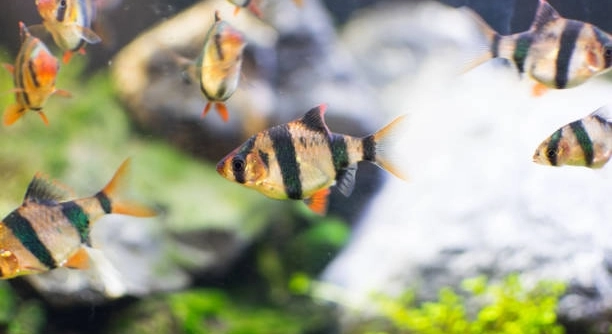
Barbs are lively fish that bring color and energy to any aquarium. Observing their behavior can reveal a lot about their health and breeding status. Recognizing subtle signs early helps ensure a better environment for these fish.
Breeding signs in barbs often include changes in coloration, increased activity, and specific swimming patterns. These behaviors are subtle and can be easily overlooked by hobbyists, but they play a crucial role in understanding the fish’s readiness to spawn and overall wellbeing.
Noticing these breeding cues can improve your care routine and increase your chances of successful spawning. Knowing what to watch for keeps your barbs happy and healthy in their tank environment.
Color Changes in Male Barbs
Male barbs often show brighter colors when they are ready to breed. Their fins may become more vibrant, and their body colors deepen. This change helps attract females and signals readiness for mating. The color shift is usually gradual but noticeable if you watch closely over several days. It’s a natural part of their reproductive cycle and happens as hormones rise in the fish’s body.
Female barbs typically do not display these color changes as strongly. The males’ vivid hues stand out clearly in a community tank, especially under good lighting. This makes it easier to identify which fish are preparing to breed.
Watching these color changes can help you know when to adjust tank conditions, such as adding spawning plants or increasing feeding with protein-rich foods. These small adjustments support successful breeding and promote healthy fish development.
Increased Activity and Nest Preparation
When barbs start breeding, their behavior becomes more active. Males often chase females around the tank and swim vigorously near plants or hiding spots. This behavior is part of their effort to prepare a safe place for eggs.
This activity helps ensure that eggs are laid in protected areas, increasing their chances of survival. It’s important to provide plenty of plants or spawning mops to support this natural behavior. Barbs may become restless and more aggressive during this time, so monitoring tank mates is crucial to prevent stress. By recognizing these signs, you can better support your fish through the breeding process.
Frequent Nipping and Chasing
Barbs often nip and chase more during breeding periods. This behavior is a sign of competition among males and attempts to court females. It can look aggressive but is a natural part of their mating process.
This chasing can lead to increased stress among tank mates if the space is limited. It’s important to watch for signs of injury or exhaustion in your fish. Providing enough room and hiding spots helps reduce tension and allows the barbs to express their natural breeding behaviors safely. If aggression becomes too much, separating the most aggressive individuals might be necessary to maintain a peaceful tank.
In some cases, the chasing may continue even after spawning. This persistent behavior helps males protect their territory and potential offspring. Understanding this can help you plan your tank setup better and avoid surprises during breeding season. Watching closely helps you react quickly if aggression causes harm.
Physical Changes in Females
Female barbs often show a rounder belly as they become full of eggs. This swelling is usually visible a few days before spawning and indicates their readiness to lay eggs.
The female’s body may also change slightly in color, becoming paler or showing a subtle shine. These changes are less dramatic than in males but still noticeable with careful observation. Tracking these physical signs helps determine the best time to prepare for spawning, like adding spawning mops or adjusting water conditions to encourage egg laying. Monitoring the female’s health during this period is important to avoid stress or illness.
Nesting Behavior
Barbs often choose specific spots in the tank to lay eggs, usually near plants or decorations. They may clean or inspect these areas more frequently as part of their nesting preparation.
This behavior helps protect eggs from being eaten or disturbed. Providing plenty of cover supports successful breeding by offering safe spaces for egg deposition.
Changes in Feeding Habits
Breeding barbs may eat more than usual, especially protein-rich foods like bloodworms or brine shrimp. This increased appetite supports energy needs for spawning and egg production.
Offering varied, high-quality food helps maintain their health during this demanding period. Regular feeding boosts their chances of successful breeding and healthy offspring.
Hiding and Resting
Some barbs may hide more often during breeding, especially females after laying eggs. This resting behavior helps them recover and avoid aggression from males.
Providing ample hiding spots ensures they feel secure and less stressed during these vulnerable times.
FAQ
How can I tell if my barbs are ready to breed?
Barbs ready to breed show several clear signs. Males brighten in color and become more active, often chasing females and other males. Females develop a rounder belly as eggs mature. You might notice frequent swimming near plants or spawning spots, and changes in feeding habits with increased appetite.
What should I do to encourage barbs to breed?
To support breeding, keep the water clean and stable with temperatures between 75–79°F (24–26°C). Provide plenty of plants or spawning mops for egg laying. Feed your barbs a varied diet rich in proteins to boost their health and readiness. Maintaining good water quality and reducing stress are key factors.
How long does spawning usually last for barbs?
Spawning typically lasts a few hours to a day. Males chase females and fertilize eggs as they are laid. Afterward, eggs stick to plants or other surfaces. Once spawning finishes, some males continue guarding the area, but this behavior varies by individual.
Will barbs eat their eggs or fry?
Yes, barbs can eat their own eggs or young fry if left unchecked. This is common in many fish species. To protect the eggs, it’s often best to remove adults after spawning or provide dense vegetation for hiding. Some hobbyists use breeding tanks or nets to separate eggs from adults.
How can I reduce aggression during breeding?
Aggression often rises during breeding due to competition. Increase tank space if possible, add plants or decorations for hiding spots, and monitor aggressive fish closely. Separating overly aggressive males can prevent injury. Keeping a balanced male-to-female ratio also helps reduce conflicts.
When should I separate the fry from the adults?
Separate fry as soon as they are free-swimming, usually after 3–5 days post-hatching. At this stage, adults may see them as food. Moving fry to a separate tank or breeding box increases survival rates. Provide fine food like infusoria or baby brine shrimp for the young fish.
What water conditions are best for breeding barbs?
Stable water parameters are essential. Keep pH between 6.5 and 7.5 and temperature around 75–79°F (24–26°C). Soft to moderately hard water suits barbs well. Regular water changes and good filtration support a healthy environment for spawning and fry growth.
How often do barbs breed?
Barbs can breed multiple times a year if conditions are right. Spawning often happens when water temperature rises slightly or when food is abundant. With proper care, they can produce several batches of eggs during warmer months or in a well-maintained aquarium.
Can barbs breed in community tanks?
Breeding in community tanks is possible but less ideal. Other fish may eat eggs or harass breeding pairs. Dense plants and hiding spots improve success, but removing adults after spawning is often needed. For better control, a separate breeding tank is recommended.
What are common mistakes to avoid during barb breeding?
Avoid overcrowding the tank and poor water quality. Not providing enough cover can stress fish and reduce spawning success. Feeding only basic flakes may not support breeding health. Also, mixing aggressive fish with barbs during breeding can cause injury and stress, harming the chances of raising healthy fry.
Breeding barbs can be a rewarding experience, but it requires attention and care. Recognizing the subtle signs of breeding readiness helps you support your fish properly. Changes in color, behavior, and feeding are important clues. By observing these signals carefully, you can prepare your tank and environment to encourage successful spawning. Understanding what barbs need during this time is key to their health and the survival of their offspring.
Providing a stable environment with good water quality, appropriate temperature, and plenty of plants or hiding spots creates the right conditions for breeding. It is also important to monitor aggression and be ready to intervene if necessary. Male barbs can become quite competitive, so balancing the number of males and females helps reduce stress. Feeding your barbs a nutritious diet rich in protein supports their energy levels and reproductive health. Small adjustments to their care can make a big difference in breeding outcomes.
Patience and close observation are essential throughout the process. Not all breeding attempts will be successful, but each experience offers valuable insight into your barbs’ behavior. Keeping the tank clean and providing proper care will encourage repeated spawning and healthy fry growth. Over time, you will learn to identify these signs quickly and respond in ways that support your fish. This ongoing attention benefits both the barbs and the overall tank environment.

Hello,
If you enjoy the content that we create, please consider saying a "Thank You!" by leaving a tip.
Every little bit helps us continue crafting quality advice that supports the health, happiness, and well-being of pets around the world, for pets of all shapes, sizes, and species.
We really appreciate the kindness and support that you show us!