
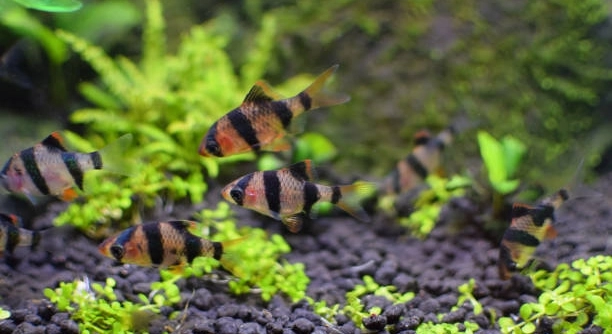
Do your tiger barbs often swim in quick, zigzag patterns that seem unusual compared to other fish in your tank?
Tiger barbs might swim in zigzags due to a mix of natural behavior, environmental stimuli, and social dynamics within the tank. These movements can be linked to stress, excitement, or even dominance displays among the group.
Understanding these patterns can help you create a more suitable environment and ensure your tiger barbs remain healthy and active in their aquarium.
What Causes the Zigzag Swimming?
Zigzag swimming in tiger barbs is usually tied to their natural instincts and energy levels. These fish are known for being active and social, often forming small groups and chasing one another around the tank. This behavior can sometimes appear frantic or sharp in direction, but it’s often just normal interaction. However, it’s also important to pay attention to any sudden changes. If a tiger barb that used to swim calmly now zips in zigzags all day, it might be reacting to something in its surroundings. Tank conditions, water temperature, and lighting can all affect behavior. Loud noises or sudden movement near the tank may also cause stress responses that show up as erratic swimming. Keeping a stable and calm environment helps reduce unnecessary stress and keeps their swimming patterns more consistent. Healthy social dynamics and proper space are also important in maintaining balance within the group.
Zigzag movements are not always negative. Sometimes, they’re a display of dominance or a way to establish social rank in a group setting.
If you notice one or more fish showing increased aggression during these zigzags, it could be a sign that the tank is too crowded or that the fish feel threatened.
When to Be Concerned
When zigzag swimming becomes constant and frantic, it may be time to check for deeper issues.
Long-term stress or discomfort can cause tiger barbs to display more extreme swimming behaviors. If they’re constantly darting or twitching in sharp movements, something might be off in their setup. Poor water quality is a common reason. High ammonia, nitrite, or nitrate levels can irritate the fish and cause them to act out in unusual ways. Check the filtration system, temperature, and pH balance to ensure the tank is within safe ranges. Other possible factors include overcrowding, lack of hiding spaces, or the wrong tankmates. If larger or more aggressive fish share the tank, your tiger barbs may feel unsafe, leading to panic-like movement. In some cases, illness or parasites can also change how they swim. Pay attention to other symptoms like gasping at the surface, visible spots, or unusual posture. Observing their daily patterns is the best way to know what’s normal and what needs your attention.
How Tank Conditions Affect Their Behavior
Poor tank conditions often lead to stress in tiger barbs. If the water is too warm or cold, or if the filter isn’t working properly, the fish may react by swimming in fast, erratic patterns that look like zigzags.
Temperature plays a big role in their comfort. Tiger barbs do best in water between 74°F and 78°F. If it drops too low or climbs too high, they may become agitated or sluggish. Ammonia and nitrite should always stay at zero, while nitrate levels should be low. Dirty gravel, old food, or clogged filters can throw off water chemistry and lead to discomfort. A stressed fish may swim in panicked bursts or shake its body. Making sure the water is tested regularly helps keep these issues from building up. Fresh water changes and proper maintenance help your fish stay calm and active without constant darting.
Lighting also matters. If the tank is too bright or the lights are left on too long, it can overstimulate the fish. These fish prefer a day-night rhythm, and too much light can create an unnatural environment. Provide some shaded areas with plants or decorations so they can retreat when they feel overstimulated. A steady routine encourages more stable swimming behavior.
Social Dynamics in the Tank
Tiger barbs are known for their active social behavior, and zigzag swimming can sometimes be part of this interaction. They often chase each other to show strength or set boundaries within the group.
These fish do best in groups of at least six. When kept in smaller numbers, they may become aggressive or anxious. A proper group helps spread out any dominant behavior, reducing bullying or constant chasing. If one fish is acting out, it might be because the group size isn’t balanced. A crowded tank can also lead to more conflicts. The more space each fish has, the less likely they are to compete for room or resources. Zigzag movements that look aggressive could be a warning sign that the group isn’t getting along well. Keeping an eye on which fish are being chased most often can help identify if a certain one is being picked on or if the tank needs adjusting.
Signs It’s Just Playful Behavior
Tiger barbs often chase each other in short, zigzag bursts during play. This is normal and usually harmless. They enjoy quick movements and may circle or dart through the tank without showing signs of stress or fatigue.
If their colors remain bright and they eat well, the zigzag swimming is likely just playful. A healthy group will often swim together in short sprints, then rest.
When to Separate or Rehome a Fish
If one fish becomes overly aggressive—constantly chasing, nipping fins, or forcing others into corners—it may need to be separated. Long-term bullying can lead to injury or stress for the rest of the group. Try rearranging the tank or adding hiding spots first. If the behavior continues, rehoming may be the best option.
Helpful Tools for Observation
A simple journal or app can help you track patterns. Noting when zigzag behavior starts or changes can reveal useful details over time.
Why do tiger barbs swim in zigzags instead of smooth lines?
Tiger barbs swim in zigzags mainly because of their natural behavior and social interactions. These fish are active and curious, so quick, sharp turns help them explore their environment and communicate with other fish. This zigzag movement can also be a response to excitement, stress, or a way to assert dominance in their group.
Is zigzag swimming a sign of stress in tiger barbs?
Not always. While occasional zigzag swimming can be normal, constant or frantic zigzagging may indicate stress. Stress can be caused by poor water quality, inappropriate temperature, overcrowding, or aggressive tankmates. Monitoring water conditions and fish behavior helps determine if the zigzags are a healthy activity or a warning sign.
Can tank size influence zigzag swimming?
Yes. Tiger barbs need enough space to swim freely. A small or overcrowded tank can cause them to dart quickly in zigzags as they try to avoid other fish or compete for territory. Providing at least a 20-gallon tank for a small group is recommended to reduce stress and erratic swimming.
How does water quality affect their swimming patterns?
Water quality has a major impact. High levels of ammonia, nitrites, or nitrates irritate fish and cause them to behave oddly, including swimming in sharp zigzags. Regular water tests and maintenance, like partial water changes and filter cleaning, are essential for keeping tiger barbs calm and healthy.
Do tiger barbs swim in zigzags to communicate?
Yes, to some extent. Zigzag swimming can be part of their social behavior. It can signal excitement, challenge, or even warnings to other fish. These movements help them establish social order within the group and keep interactions lively but generally harmless when the environment is balanced.
What tankmates work well with tiger barbs to reduce aggressive zigzag swimming?
Tiger barbs are semi-aggressive and do best with other active, similarly sized fish that can handle their playful nipping. Good tankmates include other barbs, danios, and fast-swimming tetras. Avoid slow, long-finned fish, which might become targets and cause stress-induced zigzag swimming.
How many tiger barbs should be kept together?
It’s best to keep tiger barbs in groups of six or more. Smaller groups tend to show increased aggression and more erratic swimming patterns because they can’t establish a stable social hierarchy. Larger groups spread out aggressive behaviors and help maintain a calmer tank environment.
Can illness cause unusual zigzag swimming?
Yes. Diseases, parasites, or infections can disrupt normal swimming patterns. If zigzag swimming is paired with other signs like lethargy, loss of appetite, clamped fins, or visible spots, it’s important to test the water and consider treatment options quickly to prevent further health issues.
What environmental changes help calm tiger barbs’ zigzag movements?
Adjusting light levels, adding plants or decorations for hiding spots, and maintaining consistent water conditions all help reduce stress. Establishing a routine feeding schedule and avoiding sudden noises or vibrations near the tank can also promote calmer swimming behaviors.
Is it normal for tiger barbs to chase each other aggressively?
Yes, chasing is a natural part of their social structure, especially in groups. This behavior may look aggressive but is usually harmless when balanced. However, constant, intense chasing or fin nipping could indicate that the tank is overcrowded or that some fish need to be separated.
How can I tell if zigzag swimming is play or aggression?
Playful zigzag swimming is usually brief, with fish quickly returning to normal swimming or resting. Aggressive zigzagging involves chasing, biting, or one fish repeatedly targeting another. Observing the fish’s interactions closely helps distinguish between fun activity and problematic behavior.
What can I do if one tiger barb is bullying others?
Try rearranging tank decorations to break up territory. Adding more hiding spots or increasing group size can help disperse aggression. If bullying continues, separating the aggressive fish or rehoming it may be necessary to protect the rest of the group.
How often should I test my tank water to prevent stress-related swimming?
Testing water at least once a week is recommended, especially for ammonia, nitrites, nitrates, and pH. Regular monitoring helps catch issues early before they affect fish behavior and health.
Does feeding affect tiger barbs’ activity levels?
Yes. Well-fed tiger barbs tend to be more active and playful, which might increase zigzag swimming as part of their excitement. Overfeeding, however, can pollute the water and cause stress, leading to erratic behavior.
Can lighting schedules impact their swimming behavior?
Yes. Tiger barbs thrive with a consistent day-night cycle. Too much light or sudden changes can cause overstimulation, resulting in frantic swimming. Keeping lights on for about 8-10 hours a day with a period of darkness helps regulate their activity.
Tiger barbs are lively fish known for their quick movements and playful nature. Their zigzag swimming is mostly a natural behavior that helps them interact with each other and explore their environment. While it may sometimes look frantic, this movement is often part of how they communicate or show excitement. Understanding why they swim in zigzags can help you better care for your fish and create a comfortable tank environment. By observing their behavior carefully, you can tell the difference between normal activity and signs of stress or discomfort.
Maintaining good tank conditions is key to keeping tiger barbs healthy and calm. Clean water, proper temperature, and enough space allow these fish to swim freely without feeling threatened. Overcrowding and poor water quality often cause stress, which can lead to more erratic swimming patterns. Providing hiding spots and keeping the tank environment stable will help reduce unnecessary anxiety. Also, choosing compatible tankmates and keeping tiger barbs in groups of six or more helps balance their social behavior, reducing aggressive chasing and constant zigzag swimming.
If you ever notice changes in your tiger barbs’ swimming style or signs of illness, it is important to act quickly. Testing water parameters regularly and observing their overall health will keep your fish safe and comfortable. Sometimes, adjusting the tank setup or separating aggressive fish is necessary to maintain peace. With consistent care and attention, your tiger barbs will display their lively zigzag swimming as a fun and natural part of their behavior, making your aquarium a vibrant and interesting place to watch.

Hello,
If you enjoy the content that we create, please consider saying a "Thank You!" by leaving a tip.
Every little bit helps us continue crafting quality advice that supports the health, happiness, and well-being of pets around the world, for pets of all shapes, sizes, and species.
We really appreciate the kindness and support that you show us!