
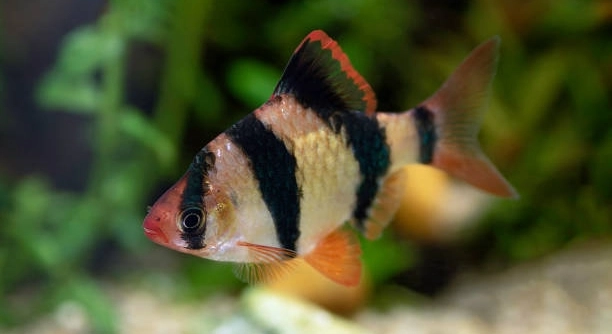
Have you ever set up a fish tank and wondered if your tiger barbs know which part of it is theirs? Watching their movements might make you curious if they recognize certain areas they prefer or avoid.
Tiger barbs can develop a sense of familiarity with specific zones in their tank. Research and observations show they tend to establish territories or preferred regions based on environmental factors like plant cover, hiding spots, or feeding locations.
Understanding how your tiger barbs interact with their space can help you create a more comfortable and enriching tank environment.
How Tiger Barbs Interact with Their Tank Space
Tiger barbs are active fish that often display strong swimming patterns and group behavior. In a well-set tank, they begin to show signs of recognizing specific areas over time. This behavior may be influenced by several things like where food is placed, water flow, or where plants and decorations are located. They may return to certain spots regularly, especially areas that provide some cover or are part of their swimming routes. Their natural curiosity and need for stimulation mean they often move around, but this doesn’t mean they lack preference. Some areas become familiar due to repeated use, making those spots feel “safe” or routine to them. Tank layout, lighting, and tank mates also play a role. These preferences might not be as strong as territorial claims in some fish, but they are consistent enough to notice patterns if you observe closely.
Tiger barbs don’t just swim randomly—they often develop a routine. This routine includes regular visits to the same spots in their tank, especially where they feel secure.
Feeding zones often become high-traffic areas. If food is given in the same place, they quickly learn to associate that area with meals. They may even wait near that space when it’s feeding time. Decorations and hiding spots offer comfort and can also become frequently visited zones. Adding plants or cave-like structures encourages natural behaviors. Over time, you may see certain tiger barbs favor particular spaces while others keep moving more freely. Watching these behaviors closely can give insight into how they experience their tank and what changes may improve their comfort or stimulation.
What Affects Their Spatial Preferences
Tank conditions, such as lighting and water flow, can change how tiger barbs move around. Fish that feel exposed or uncomfortable are less likely to return to certain zones.
Tank layout plays a large part in how tiger barbs behave. Open areas encourage active swimming, while shaded or planted corners offer places to pause or hide. Placing tall plants, driftwood, or rocks in the tank allows tiger barbs to set small boundaries within the space. Even though they are social fish that often swim in groups, each one can still favor slightly different areas. Aggression or chasing behavior, especially during feeding or dominance displays, might push some fish toward quieter corners. Over time, they learn which places help them avoid conflict or get quicker access to food. It’s also helpful to adjust lighting and decorations from time to time to see how it changes their habits. A thoughtful setup can make the tank feel more balanced and help reduce stress-related behavior.
Recognizing Patterns in Behavior
Watching tiger barbs closely each day can reveal simple patterns. Some swim to the same corners after eating, while others hover near specific plants. These routines become more noticeable when their environment stays consistent.
If you always feed your tiger barbs in the same area, they may start waiting there even before the food appears. They seem to remember that spot. Similarly, if you change the layout, some may act unsettled or move differently until they adjust. You might notice one fish returning to the same hideout or swimming the same path over and over. These repeated actions suggest they are forming simple spatial habits. It’s not complex recognition, but it’s a sign they are aware of their space. It also means they respond to predictability in their environment. Over time, their comfort grows, especially when their surroundings remain calm, familiar, and easy to navigate.
Different fish show different preferences. Some tiger barbs may choose the shaded back of the tank, while others prefer open space. These individual tendencies often stay the same unless something in the tank changes. A new decoration, the removal of a plant, or added tank mates may shift their usual behavior. It’s also common to see certain tiger barbs stay near calm spots if other fish act aggressively. If a stronger fish claims an area, the others may find new spaces where they feel safer. This behavior is not just instinct—it’s a form of adaptation. Observing these patterns closely can help you adjust your tank layout to better meet the needs of all your tiger barbs.
Environmental Cues and Memory
Light, shadows, and tank objects affect how tiger barbs navigate. They often return to the same spots based on how the light moves or where they feel most covered. These repeated behaviors reflect short-term memory.
Their ability to remember is basic but useful. If a hiding spot once helped a tiger barb avoid stress or conflict, they’re likely to return to it. They seem to associate comfort with location. Likewise, if a fish gets chased in a certain area, it might begin to avoid that spot. These actions show they react to past experiences. This doesn’t mean they have complex thinking, but they do make simple connections. Even small changes like shifting a plant or moving a filter can affect their sense of space. Giving them a stable layout supports these memory-based habits. It helps reduce stress and keeps their movements calm and predictable.
Signs Your Tiger Barbs Know Their Space
Tiger barbs may wait near their usual feeding spot before you even drop the food in. This shows they’ve learned where meals usually happen, and they return to that area based on past experience.
You might notice the same fish using the same hiding spot repeatedly. This kind of behavior suggests they recognize familiar areas, especially ones that make them feel safe or calm.
How to Support Their Spatial Awareness
Keep the tank layout steady. Sudden changes can confuse tiger barbs or stress them out. If you want to rearrange plants or decorations, try doing it gradually. Leave at least some familiar elements untouched, so they have a reference point. Feeding in the same spot daily helps reinforce positive associations. Avoid overcrowding the tank, as stress and competition can interfere with their ability to settle into certain areas. Make sure there’s a mix of open space and covered zones. Providing clear boundaries helps them develop predictable movement patterns. Over time, a stable and well-structured tank layout can support your tiger barbs’ ability to recognize and navigate their space comfortably.
Final Thoughts on Tank Recognition
Tiger barbs may not form complex maps in their minds, but they do show simple and reliable spatial habits based on comfort, routine, and environmental cues.
FAQ
Do tiger barbs recognize specific areas of their tank?
Yes, tiger barbs can show preference for certain parts of their tank. This behavior is often shaped by routine, environmental comfort, and memory. They may return to areas where they feel safe or where they’ve learned to expect food. While this isn’t the same as complex spatial recognition, their repeated behavior shows simple memory and familiarity with space. For example, they may gather in a shaded area or hover near their regular feeding zone. These habits reflect basic spatial awareness and a natural response to comfort and routine.
Why do my tiger barbs always swim in one section?
When tiger barbs favor one section of the tank, it usually means that area offers something they like—calm water flow, shelter, or less interaction with aggressive fish. It can also mean they’ve developed a habit based on where they feel safe or find food. If the area is shaded or near plants, they may feel more secure there. Watching this behavior can help you adjust the tank layout to make all areas more inviting. If many fish avoid a particular zone, it may be too bright, too exposed, or disrupted by strong water flow.
Can tiger barbs remember where food is given?
Yes, they can. When food is offered in the same location daily, tiger barbs begin to associate that spot with feeding time. They may start gathering in that area before food is even added. This behavior shows simple memory based on repetition. Feeding in the same spot also helps reduce stress and competition, as fish are less likely to panic or dart around the tank looking for food. Consistency in feeding location makes their routine feel more stable, which can improve overall tank behavior.
Do they become stressed if the tank is rearranged?
Rearranging the tank can cause some confusion and stress in tiger barbs. While they are adaptable, sudden changes remove familiar landmarks and safe zones they’ve come to trust. Some may become more skittish, hide more often, or change their swimming patterns. If you do want to refresh the layout, it’s best to do it in small steps rather than all at once. Keeping certain features, like a favorite hiding spot, in the same place can help ease the adjustment. Watch for signs of stress, like erratic swimming or aggression, after rearranging.
How do I help my tiger barbs feel comfortable in their space?
Keep the tank consistent and balanced. Provide both open swimming areas and places to hide. Use natural-looking decorations like plants, driftwood, or rocks to create defined spaces. Avoid overcrowding, as too many fish can increase stress and disrupt natural patterns. Feed at regular times and in the same area to support routine. A calm, predictable tank helps your tiger barbs feel more secure and encourages them to develop steady movement patterns. When fish feel safe, their behavior becomes easier to observe and more relaxed.
Do tiger barbs act differently based on their tank mates?
Yes, they do. Tiger barbs are social and active, but they can show changes in behavior depending on who else is in the tank. If they’re housed with more aggressive or larger fish, they might avoid certain areas or stick close to hiding spots. On the other hand, when kept in a healthy group of their own kind, they show more natural behavior, like schooling and playful chasing. Watching how they react to others in the tank can help you decide whether the group mix is right or needs adjusting.
What signs show that a tiger barb feels secure in its space?
A tiger barb that feels secure will swim actively and calmly, explore different parts of the tank, and interact with others without showing signs of stress. You may see it revisit the same favorite spot, swim in familiar patterns, or rest near a certain plant. If a fish is constantly hiding, darting around, or avoiding other fish, it may not feel settled. When the tank is stable, with enough room and hiding spaces, the tiger barbs tend to fall into peaceful routines that make their preferences easy to notice.
Final Thoughts
Tiger barbs are active, social fish that respond well to a stable and well-planned tank environment. Over time, they begin to show signs that they recognize and prefer certain areas in their space. This may include swimming near the same hiding spot, waiting at the front of the tank for food, or staying close to shaded corners. These actions are not random. They reflect how tiger barbs learn from repeated experiences. While their memory is simple, it is strong enough for them to form habits based on comfort, safety, and routine. When their tank stays consistent, these habits become even more noticeable.
Small changes in the tank can have a clear effect on how your tiger barbs behave. Moving decorations or changing where food is given can shift their patterns quickly. If you make too many changes at once, some fish may act stressed, hide more often, or stay in new corners of the tank. This doesn’t mean they cannot adjust—it just takes time. If certain tiger barbs are being chased or crowded by others, they may avoid popular spots and seek out quieter areas. Watching these small behaviors helps you understand what your fish need. By paying attention to how they move and where they settle, you can make the tank more balanced for the whole group.
Creating a tank that feels safe, calm, and easy to move through is one of the best ways to support your tiger barbs. A mix of open space and covered zones, steady lighting, and a regular feeding routine gives them a sense of structure. This makes it easier for them to return to the places they know and enjoy. Tiger barbs may not understand their tank the way a human understands a room, but they do notice patterns, respond to comfort, and remember where they feel secure. These small signs of recognition and routine are worth noticing. They help you see that even simple fish like tiger barbs can form habits, develop preferences, and show signs of awareness when their space is treated with care.

Hello,
If you enjoy the content that we create, please consider saying a "Thank You!" by leaving a tip.
Every little bit helps us continue crafting quality advice that supports the health, happiness, and well-being of pets around the world, for pets of all shapes, sizes, and species.
We really appreciate the kindness and support that you show us!