
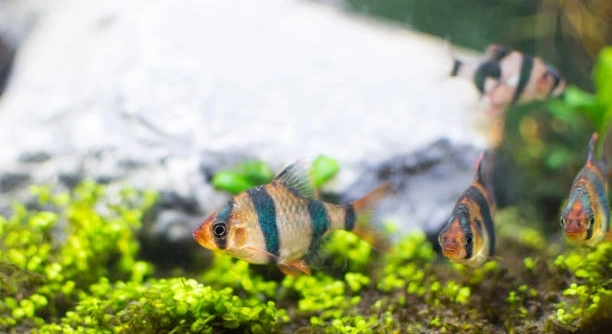
Tiger Barbs are popular freshwater fish known for their lively behavior and vibrant colors. They often live in community tanks but face challenges when water conditions shift unexpectedly. Understanding how they cope with change is important for their care and wellbeing.
Tiger Barbs show moderate tolerance to changing water conditions, but sudden or extreme fluctuations can cause stress and health problems. Stable environments with gradual adjustments are essential for maintaining their overall health and longevity.
This article will explain how Tiger Barbs react to various environmental changes and offer practical advice to keep them healthy and comfortable.
Understanding Tiger Barbs’ Sensitivity to Water Changes
Tiger Barbs are naturally adapted to river environments where water conditions can shift gradually. However, sudden changes in temperature, pH, or hardness in a tank can disrupt their balance. Even slight fluctuations may cause stress, making them more vulnerable to disease. It is important to monitor the aquarium regularly to keep parameters steady. Introducing new water that matches the tank’s temperature and chemistry helps reduce shock. When changes are necessary, such as during water changes or adding new fish, doing so slowly is key. Maintaining consistent filtration and avoiding overcrowding also supports their health. Watching for signs like erratic swimming or loss of color can indicate stress. Addressing these issues quickly can prevent long-term harm. Overall, Tiger Barbs thrive best in stable, well-maintained tanks where changes are minimized and controlled.
Regular testing and careful adjustments are essential for keeping Tiger Barbs comfortable and healthy in captivity.
Gradual adaptation to new water conditions reduces the risk of illness and promotes better growth and activity among Tiger Barbs.
Managing Temperature Fluctuations in Your Aquarium
Temperature shifts can be harmful to Tiger Barbs even if they seem minor. Rapid changes cause stress and weaken immune responses, increasing disease risk. Keeping the tank’s temperature steady between 74°F and 79°F is ideal. Using a reliable heater with a thermostat ensures stability. Avoid placing tanks near windows or vents that expose them to drafts or direct sunlight, which can cause sudden temperature swings. During water changes, adding water at the same temperature prevents shocks. Regular monitoring with an accurate thermometer helps catch problems early. Small efforts to maintain temperature can significantly improve the fish’s health and reduce mortality. For homes with variable climates, investing in equipment that controls tank conditions is worthwhile.
Temperature stability is crucial for Tiger Barbs’ wellbeing and long-term survival in an aquarium environment.
Adjusting to pH and Water Hardness Changes
Tiger Barbs prefer slightly acidic to neutral water, typically between pH 6.0 and 7.5. Sudden shifts outside this range can cause discomfort and stress.
Maintaining stable pH levels is important because abrupt changes can affect fish metabolism and behavior. If your tap water’s pH differs significantly, it’s best to adjust it gradually before introducing it to the tank. Using natural additives like driftwood or peat can help lower pH slowly, while crushed coral can raise it. Regular testing helps catch fluctuations early. Stress from pH swings may lead to reduced appetite or increased aggression among Tiger Barbs. Ensuring water hardness stays within a moderate range also supports their overall health and comfort.
Over time, Tiger Barbs can acclimate to minor changes in water hardness and pH, but consistency remains key. Avoid making large adjustments all at once to protect their wellbeing.
Feeding Habits During Environmental Stress
Environmental stress can influence Tiger Barbs’ feeding behavior, often causing reduced appetite. It is common to see less enthusiasm for food when conditions fluctuate quickly.
When water parameters change, Tiger Barbs may become more cautious or lethargic, which leads to irregular eating habits. Maintaining a high-quality, varied diet supports their immune system during stressful periods. Feeding smaller amounts more frequently can encourage them to eat without overwhelming their digestive system. Observing feeding response is a good way to gauge their health; if they refuse food for several days, it might indicate serious stress or illness. Offering live or frozen foods occasionally can stimulate appetite and provide essential nutrients. Consistent feeding routines help Tiger Barbs feel more secure and recover faster from environmental challenges.
Recognizing Stress Signs in Tiger Barbs
Stress in Tiger Barbs often shows through changes in behavior or appearance. Common signs include hiding more, loss of color, or erratic swimming.
Identifying stress early allows for quick intervention. Paying attention to these subtle changes helps prevent serious health issues and keeps your fish comfortable.
Best Practices for Gradual Acclimation
Introducing Tiger Barbs to new water or tank conditions should be done slowly. Gradual acclimation reduces shock and helps them adjust more easily.
Use the drip method or slowly mix tank water with new water over several hours. This careful approach supports their health and minimizes stress during transitions.
Importance of Consistent Maintenance
Regular tank cleaning and water testing are crucial for Tiger Barbs’ wellbeing. Keeping the environment clean reduces stress and illness risks.
Consistent maintenance helps maintain stable conditions, ensuring Tiger Barbs remain healthy and active in their aquarium.
FAQ
Can Tiger Barbs live in different water conditions?
Tiger Barbs can tolerate a range of water conditions but prefer stable environments. They do best in water with a temperature between 74°F and 79°F, pH levels from 6.0 to 7.5, and moderate hardness. Sudden or extreme changes in these factors can cause stress and health problems. Keeping the tank conditions steady and making gradual changes when needed helps Tiger Barbs stay healthy and active over time.
How quickly should I change the water for Tiger Barbs?
Water changes should be done gradually to avoid shocking your fish. Changing about 20-30% of the water weekly is a good rule of thumb. When adding new water, make sure its temperature, pH, and hardness closely match the tank’s. This helps reduce stress. Pour the water slowly and monitor the fish for any signs of discomfort during and after the change.
What are the signs that my Tiger Barbs are stressed?
Stress in Tiger Barbs can show through several behaviors and physical changes. You might notice them hiding more than usual, losing their bright colors, or swimming erratically. Some may become more aggressive or lose their appetite. Stress weakens their immune system, making them more likely to get sick. If you observe these signs, check your tank’s water conditions and make any needed adjustments quickly.
Can Tiger Barbs handle temperature changes during water changes?
Rapid temperature changes are harmful. Tiger Barbs prefer a stable temperature range. When performing water changes, always use water close to the tank’s temperature. If the new water is too cold or hot, it can cause shock, leading to stress or even death. Using a heater and thermometer can help maintain a consistent temperature throughout the tank.
How do I acclimate new Tiger Barbs to my aquarium?
Acclimating new Tiger Barbs slowly is important. Start by floating the sealed bag in your tank for 15-20 minutes to match temperatures. Then, gradually add small amounts of your tank water into the bag over the next hour. This helps the fish adjust to the water chemistry. After acclimation, gently release the fish into the tank. Avoid adding new fish during stressful times, like right after major water changes.
Will Tiger Barbs stop eating if water conditions are bad?
Yes, Tiger Barbs often reduce or stop eating when stressed by poor water conditions. Appetite loss is an early sign that something is wrong. It’s important to test water parameters regularly and keep them stable. Providing a high-quality diet and feeding smaller amounts more often can help stimulate eating during stressful periods.
How often should I test the water for Tiger Barbs?
Testing water weekly is recommended to catch any changes early. Focus on temperature, pH, ammonia, nitrite, and nitrate levels. Ammonia and nitrites should always be zero, while nitrates should stay low. Consistent testing helps you respond quickly to problems before they affect your fish’s health.
Can Tiger Barbs live with other fish during changing conditions?
Tiger Barbs are generally peaceful but can become aggressive if stressed. When water conditions fluctuate, aggression can increase. Keeping tank conditions stable reduces stress and helps maintain harmony among tank mates. It’s best to avoid overcrowding and provide hiding spots to reduce conflicts during challenging times.
What should I do if my Tiger Barbs look sick after a water change?
If Tiger Barbs show signs of illness like clamped fins, white spots, or lethargy after a water change, first test your water parameters. Make sure ammonia and nitrite levels are zero, and temperature and pH are stable. Perform a partial water change with properly conditioned water if needed. Quarantining sick fish and treating with appropriate medications can help. Preventing sudden changes in the future is key to avoiding similar problems.
Are there special foods to help Tiger Barbs cope with stress?
High-quality, protein-rich foods can support Tiger Barbs during stressful times. Including live or frozen options like brine shrimp or bloodworms can stimulate appetite. Feeding smaller amounts multiple times a day is better than one large feeding. This supports digestion and keeps their immune system strong. Avoid overfeeding, as leftover food can pollute the tank and worsen water quality.
Can Tiger Barbs adjust to new water conditions over time?
Tiger Barbs can gradually adapt to minor changes in water chemistry and temperature. The key is to make adjustments slowly and monitor their behavior. Large or sudden changes can cause stress and illness. Patience and careful management help Tiger Barbs become comfortable in different environments without compromising their health.
Tiger Barbs are lively fish that can brighten any freshwater aquarium. Their ability to handle changing water conditions depends largely on how those changes are managed. Sudden shifts in temperature, pH, or water hardness can cause them stress and affect their health. It is important to provide a stable environment and make any necessary adjustments gradually. This helps Tiger Barbs maintain their vibrant colors, active behavior, and overall wellbeing. Paying attention to water quality and tank maintenance will also prevent many common problems associated with environmental changes.
Consistent care is key when keeping Tiger Barbs. Regular water testing, proper filtration, and steady feeding routines support their ability to cope with changes. When introducing new water or making adjustments, it is best to do so slowly and carefully. This prevents shock and allows the fish to acclimate comfortably. Stress signs such as hiding, loss of color, or reduced appetite should be taken seriously and addressed promptly. Offering a balanced diet and avoiding overcrowding further contributes to their health. By following these basic steps, Tiger Barbs can thrive even if conditions fluctuate somewhat.
Ultimately, keeping Tiger Barbs means understanding their needs and watching for early signs of discomfort. While they are hardy to an extent, they rely on us to provide a safe and steady environment. Gradual changes, stable water parameters, and attentive care all play a role in their long-term happiness. With patience and effort, Tiger Barbs can adjust well to many changes, making them a rewarding choice for aquarists who value vibrant, active fish. Taking the time to learn their preferences and habits will ensure they remain healthy and lively in any home aquarium.

Hello,
If you enjoy the content that we create, please consider saying a "Thank You!" by leaving a tip.
Every little bit helps us continue crafting quality advice that supports the health, happiness, and well-being of pets around the world, for pets of all shapes, sizes, and species.
We really appreciate the kindness and support that you show us!