
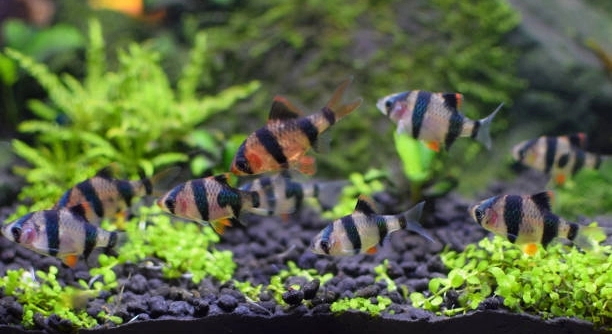
Tiger Barbs are lively fish often kept in home aquariums. Their behavior around feeding time can be quite interesting and sometimes puzzling to watch. Understanding how they develop feeding habits helps keep them healthy and happy.
Tiger Barbs can develop feeding habits based on routine, food type, and environmental factors. Over time, they learn to recognize feeding times and preferred foods, which shapes their eating behavior and influences their nutritional intake.
Knowing how these habits form will help you manage their diet better and create a balanced environment for your fish.
How Tiger Barbs Learn to Feed
Tiger Barbs usually start learning their feeding habits shortly after they begin eating on their own. In an aquarium setting, they quickly associate certain times of the day with food availability. This routine helps them feel secure and encourages consistent eating. They also respond to different types of food, such as flakes, pellets, or live food. Over time, they show preferences, often favoring foods that are easier to catch or more flavorful to them. Their environment plays a role too — a well-lit tank with minimal distractions can make feeding smoother. If the fish are stressed or overcrowded, feeding habits may change. Regular feeding schedules help Tiger Barbs avoid overeating and promote healthier growth. It’s common to see them become more active and competitive during feeding times as they develop their eating patterns.
Feeding routines are important for maintaining a healthy aquarium and ensuring your Tiger Barbs stay energetic and well-nourished.
Knowing how they develop feeding habits can improve your care and help avoid common feeding issues that impact their wellbeing.
Recognizing Changes in Feeding Behavior
Monitoring changes in your Tiger Barbs’ feeding behavior can indicate shifts in health or environment.
A sudden loss of appetite or unusual aggression during feeding might suggest stress, illness, or water quality problems. Sometimes, a change in diet or tank mates can also affect their feeding habits. It is important to observe them regularly and make adjustments as needed to maintain balance. Consistent water testing and a clean tank environment support their feeding routines. When feeding, offering a variety of foods can keep their diet balanced and interesting. Avoid overfeeding, which can lead to poor water quality and health issues. When Tiger Barbs feed well and regularly, they tend to grow better and display more vibrant colors. Keeping track of their eating habits will help you catch problems early and provide a better home for your fish.
Common Feeding Challenges
Tiger Barbs may refuse food if the tank conditions are poor or if they feel threatened. Changes in water temperature or chemistry can also affect their appetite. Sometimes, they simply prefer certain foods over others.
Feeding challenges often arise from stress caused by overcrowding or aggressive tank mates. If Tiger Barbs are stressed, they may hide or avoid eating. Uneaten food can pollute the tank, leading to poor water quality and more health problems. It’s important to maintain a stable environment and feed small amounts regularly. Using a variety of foods can also reduce pickiness and ensure balanced nutrition. Observing your fish closely helps identify when feeding issues begin, allowing for quick adjustments to their care routine.
Addressing feeding problems early supports healthier fish and a cleaner tank environment. Avoiding sudden changes in diet and environment keeps their feeding habits steady.
Tips for Encouraging Healthy Feeding Habits
Feeding Tiger Barbs at consistent times helps establish routine and reduces stress. Providing a balanced diet with flakes, pellets, and occasional live foods supports their nutrition.
Avoid overfeeding by offering only what they can eat within a few minutes. Clean leftover food promptly to prevent water pollution. Keep the tank environment stable with proper filtration and temperature control. Offering foods in different forms encourages natural foraging behaviors. Regular observation helps spot changes in feeding habits early. Maintaining these habits ensures Tiger Barbs stay active and healthy in your aquarium.
Feeding Frequency for Tiger Barbs
Feeding Tiger Barbs once or twice a day is usually enough. Overfeeding can lead to poor water quality and health problems.
Small, measured portions help prevent waste. Observing their eating speed can guide how much food to provide each time.
Choosing the Right Food
Tiger Barbs thrive on a varied diet that includes high-quality flakes, pellets, and occasional live or frozen foods. This variety supports their nutritional needs and keeps them interested in feeding. Avoid relying on one food type to prevent deficiencies.
How Environment Affects Feeding
A calm, well-maintained tank encourages consistent feeding habits. Stress from overcrowding or sudden changes can reduce appetite. Keeping water parameters stable supports healthy feeding.
Signs of Feeding Stress
Loss of appetite, hiding, or aggression during feeding can indicate stress or illness.
FAQ
Can Tiger Barbs eat the same food every day?
While Tiger Barbs can survive on the same type of food daily, it’s better to offer variety. A mix of flakes, pellets, and live or frozen foods provides balanced nutrition and keeps their interest in eating. Feeding only one kind of food for too long can lead to nutritional gaps and less enthusiasm at feeding time.
How often should I feed my Tiger Barbs?
Feeding once or twice daily is enough for most Tiger Barbs. They don’t need constant feeding and overfeeding can cause water pollution and health issues. Giving small portions that they finish within a few minutes helps keep the tank clean and your fish healthy.
What should I do if my Tiger Barbs stop eating?
If your Tiger Barbs stop eating, check the tank’s water quality first. Poor water conditions or sudden changes can stress them out. Also, observe their behavior for signs of illness or bullying by other fish. Adjust feeding times, change the type of food, and ensure the environment is calm and clean.
Can Tiger Barbs develop bad feeding habits?
Yes, Tiger Barbs can develop picky eating or aggressive behavior during feeding. This usually happens if their diet is unbalanced or if they compete too much for food. Providing enough food and variety reduces these habits. Feeding smaller groups or increasing hiding spots can also help calm aggressive fish.
Is live food necessary for Tiger Barbs?
Live food is not strictly necessary but is beneficial. It encourages natural hunting behavior and provides extra nutrients. Offering live food occasionally alongside flakes and pellets supports their health and activity. However, always ensure live food is clean and free from parasites.
How do I tell if I’m overfeeding my Tiger Barbs?
Overfeeding signs include leftover food on the tank bottom, cloudy water, and increased algae growth. Your fish might also become overweight or lethargic. Feeding small amounts they can finish in about two to three minutes prevents waste and keeps water conditions healthy.
Can Tiger Barbs eat plant-based food?
Tiger Barbs are omnivores, so they can eat some plant-based foods like algae wafers or vegetable flakes. Including plant matter in their diet supports digestion and provides important nutrients. However, their diet should mostly consist of protein-rich foods to meet their energy needs.
Do Tiger Barbs eat differently when they are stressed?
Yes, stressed Tiger Barbs may eat less or stop eating altogether. Stress can be caused by poor water quality, aggressive tank mates, or sudden environmental changes. Reducing stress by improving tank conditions and keeping a peaceful community helps normalize feeding habits.
Should I feed Tiger Barbs at night?
Tiger Barbs are diurnal, meaning they are active during the day and rest at night. Feeding at night is generally not recommended as they are less likely to eat and leftover food can spoil the water. Stick to feeding during daylight hours when they are most active.
What is the best way to introduce new food to Tiger Barbs?
Introduce new food gradually by mixing it with their current diet. Start with small amounts to see if they accept it, then slowly increase the new food proportion over several days. This helps avoid digestive upset and makes it easier for the fish to adapt to changes.
Tiger Barbs can develop feeding habits through consistent routines, environment, and food types. Watching how they respond to feeding times and the kinds of food they prefer helps us understand their behavior better. Keeping their tank clean and calm encourages healthy eating patterns. When their environment is stable, they are less stressed and more willing to eat regularly. This is important because good feeding habits support their growth and overall health. Offering a variety of foods keeps their diet balanced and prevents boredom, which can sometimes cause picky eating. It’s useful to pay attention to how much and how often they eat, adjusting feeding amounts as needed to avoid overfeeding or underfeeding.
Feeding Tiger Barbs should be done with care to keep the fish happy and the aquarium clean. Overfeeding leads to leftover food, which can harm water quality and cause illness. It’s best to feed small amounts that the fish can finish quickly. Regular feeding times help the fish learn when to expect food, creating a natural rhythm. If their feeding habits change suddenly, it often signals stress, illness, or a problem with the tank environment. Observing their behavior closely can help catch issues early. When feeding is done well, Tiger Barbs are more active, show better colors, and stay healthier for longer.
Overall, creating a good feeding routine for Tiger Barbs involves balance and attention. By providing the right food, maintaining clean water, and keeping the tank environment stable, these fish can develop positive feeding habits that last. Patience is key because it takes time for Tiger Barbs to adjust to new foods or changes in their routine. Watching their behavior and responding to their needs helps ensure they stay healthy and thrive in the aquarium. Feeding is more than just giving food — it is part of caring for their well-being. With consistent care and observation, you can help your Tiger Barbs enjoy their meals and live a healthy life.

Hello,
If you enjoy the content that we create, please consider saying a "Thank You!" by leaving a tip.
Every little bit helps us continue crafting quality advice that supports the health, happiness, and well-being of pets around the world, for pets of all shapes, sizes, and species.
We really appreciate the kindness and support that you show us!