
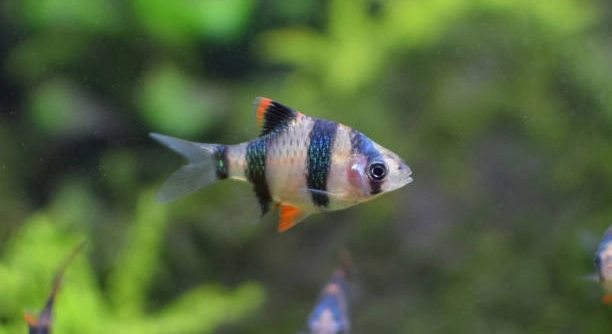
Do you ever wonder how tiger barbs react to colorful lights in their tank? Many fish owners enjoy creating vibrant environments with changing lights. Understanding how these fish respond can help create a more comfortable habitat for them.
Tiger barbs generally do not prefer color-changing lights as these can cause stress and erratic behavior. Steady, natural lighting is better suited for their well-being and helps maintain their normal activity patterns.
Knowing how lighting affects tiger barbs can improve their care and tank setup. This article will explain what works best for these lively fish.
How Tiger Barbs React to Different Lights
Tiger barbs are active and colorful fish that thrive best in stable environments. Sudden changes in lighting, especially color-changing lights, can make them nervous or stressed. Their natural habitat features consistent light, so flashing or shifting colors may confuse them. When the lighting is steady, they swim calmly and show their true colors. If the light changes too often or too quickly, they might dart around or hide more than usual. This behavior is a sign that they feel uncomfortable. Some owners use blue or green lights to simulate moonlight, which tiger barbs tolerate better than bright, flashy colors. It’s important to observe your fish carefully after changing their lighting to see how they behave. Adjusting the tank’s light schedule to mimic a natural day-night cycle can help keep tiger barbs relaxed and healthy.
Constant or bright color changes can increase stress in tiger barbs, impacting their health negatively.
Lighting affects tiger barbs’ mood and health more than many realize. Bright, flashing lights may overstimulate them, causing erratic swimming or aggression. These fish rely on consistent conditions to feel secure, so when the environment changes too much, their immune system might weaken. This can lead to illnesses or shorter lifespans. Some aquarists recommend using soft white or daylight bulbs with a timer to maintain regular lighting periods. Avoiding sudden brightness and minimizing the use of rapidly shifting colors helps create a more natural setting. Besides lighting, other factors like water quality and tank mates also influence their behavior, so light should be part of a balanced care routine. Paying attention to how your tiger barbs react will guide you in choosing the best lighting that keeps them calm and vibrant.
Best Lighting Practices for Tiger Barb Tanks
Choosing the right lighting means finding a balance that suits both the fish and the plants in the tank.
Soft, steady light that mimics natural daylight is ideal for tiger barbs. Avoid using strong colored lights that change frequently. Gradually dimming lights in the evening helps signal a natural day cycle. This approach reduces stress and encourages normal behavior. Using a timer ensures a consistent schedule, preventing unexpected changes that might disturb the fish. Some owners find success with LED lights that offer adjustable brightness without flashing effects. Always watch your tiger barbs after making lighting changes and adjust if they seem uneasy. Providing stable light conditions supports their health and showcases their beautiful colors well. Lighting is just one piece of care, but it plays an important role in creating a peaceful tank environment.
Effects of Color-Changing Lights on Tiger Barb Behavior
Color-changing lights can cause confusion in tiger barbs. Rapid shifts in colors may startle them, making their behavior unpredictable.
When exposed to flashing or shifting lights, tiger barbs may swim erratically or become more aggressive. Their natural instinct is to seek stability, so sudden light changes disrupt their comfort. Stress caused by inconsistent lighting can lead to hiding or loss of appetite. This makes it harder for them to thrive. Owners who use color-changing lights often notice these signs and switch back to steady lighting. Keeping the light stable helps tiger barbs stay calm and social, which is important for their well-being.
These lights can also interfere with the fish’s sleep cycle. Tiger barbs rely on predictable light patterns to know when to rest. If lights change frequently at night, their rest may be disturbed, leading to fatigue. Proper lighting routines help maintain their health and natural rhythms.
How to Create a Comfortable Lighting Environment
Start with a simple lighting setup using soft white or daylight bulbs.
Using a timer is a reliable way to maintain a consistent light schedule for your tank. It mimics the natural day and night cycle that tiger barbs expect. Gradually dimming lights in the evening signals to the fish that it’s time to settle down. Avoid bright or flashing colored lights, as these cause stress. If you want to add color, choose subtle tones like gentle blues, but keep changes slow and minimal. Watching how your tiger barbs respond will help you adjust the light for their comfort. A calm environment supports their health and vibrant colors over time.
Signs Tiger Barbs Are Stressed by Lighting
Stressed tiger barbs may hide more often or swim erratically. Their colors might also fade when they feel uncomfortable.
Other signs include loss of appetite and unusual aggression toward tank mates. Watching for these behaviors helps catch lighting issues early.
Choosing the Right Color Temperature for Tiger Barbs
The best color temperature for tiger barb tanks is between 5000K and 7000K, which mimics natural daylight. This range highlights their colors without causing stress. Cooler or warmer lights can make them appear dull or cause discomfort. LED lights with adjustable settings are popular because they allow fine-tuning of color temperature. Avoid overly bright or tinted lights that shift rapidly. Maintaining a natural light spectrum supports their overall health and encourages normal behavior patterns.
Avoiding Overstimulation with Lighting
Too much brightness or flashing can overwhelm tiger barbs, making them restless or anxious.
Do tiger barbs prefer natural light or artificial light?
Tiger barbs do best with artificial lighting that mimics natural daylight. Natural light can be too strong or inconsistent, especially if the tank is near a window where sunlight varies throughout the day. Using artificial lights with a daylight color temperature (around 5000K to 7000K) offers a steady and controlled environment. This helps the fish maintain regular activity and shows off their vibrant colors. Artificial lighting also allows you to set consistent day and night cycles with timers, which is harder to do with natural sunlight.
Can color-changing lights harm tiger barbs?
Yes, color-changing lights can stress tiger barbs if they change too quickly or frequently. These fish are sensitive to sudden environmental changes, and flashing or shifting colors can make them anxious. Stress might cause hiding, erratic swimming, or aggression. Over time, this stress can weaken their immune system and lead to health problems. If you want to use colored lights, keep them subtle and slow-changing. Avoid fast or bright flashes, and always observe your fish to make sure they seem comfortable.
How long should the lights be on in a tiger barb tank?
A lighting period of about 8 to 10 hours a day is ideal for tiger barbs. This timing replicates their natural daylight exposure and allows them time to rest in the dark. Using a timer to keep the lighting consistent helps the fish maintain their normal behavior and reduces stress. Too much light can overstimulate them, while too little light may make the tank dull and affect plant growth if you have live plants.
Are blue or moonlight LEDs good for tiger barbs?
Blue or moonlight LEDs can be good for tiger barbs during nighttime. These lights are dim and help simulate a natural moonlight environment, allowing the fish to rest while still providing some visibility. They are less stressful than bright or colorful lights and can prevent sudden darkness that might startle the fish. Use them sparingly and turn them off completely during the day to keep the day-night cycle clear.
What should I do if my tiger barbs seem stressed under current lighting?
If your tiger barbs show signs of stress like hiding, fading colors, or unusual aggression, start by changing the lighting setup. Switch to a steady, natural daylight bulb and reduce any flashing or color-changing effects. Use a timer to set consistent on/off times. Observe their behavior closely after changes. Improving water quality and tank conditions alongside lighting changes will help reduce stress further. If problems continue, consider consulting a fish care expert.
Can lighting affect the colors of tiger barbs?
Yes, lighting has a big impact on how vibrant tiger barbs appear. Proper lighting enhances their natural colors, making them look bright and healthy. Too dim or overly colored lights can dull their appearance. Balanced lighting that mimics daylight highlights their orange, black, and yellow patterns best. Keep in mind that stress or poor health also affects color, so good lighting works best alongside proper care.
Is it okay to use LED strips with changing colors in a tiger barb tank?
LED strips with changing colors are generally not recommended for tiger barbs. Rapid color shifts or bright flashing can disturb the fish and cause stress. If you want to add some color, choose LED lights that allow slow and subtle transitions and avoid intense or fast changes. Always watch your fish’s reactions and stop using any light source that seems to cause discomfort or erratic behavior.
How do I balance lighting for both plants and tiger barbs?
Balancing lighting for plants and tiger barbs means finding a setup that supports plant growth without stressing the fish. Most aquarium plants do well with 8 to 10 hours of daylight-spectrum light. Choose LED lights with adjustable brightness and color temperature, so you can avoid harsh lighting. Keep light changes gradual and avoid intense colors that bother the fish. Using a timer ensures both plants and fish get consistent light and dark periods, which is key for a healthy tank.
Should I avoid colored lights altogether?
Colored lights are not always harmful but should be used carefully. Bright or fast-changing colored lights can stress tiger barbs, but subtle use of soft blues or greens in the evening may be calming. Avoid strong reds or flashy lights, which tend to cause more problems. The safest choice is to prioritize steady white or daylight lighting and add color only in small, gentle doses if desired.
What is the best way to test if my tiger barbs like a certain light?
The best way to test lighting is by watching your tiger barbs closely after installing new lights. Look for signs of stress like hiding, faded color, frantic swimming, or loss of appetite. If they swim calmly, interact normally, and show vibrant colors, the light is likely suitable. Try changing one factor at a time—brightness, color temperature, or timing—so you can tell what works best. Patience and observation are key to finding the right lighting for your fish.
Tiger barbs are lively fish that benefit most from a stable and comfortable environment. Lighting plays an important role in how they feel and behave in their tank. While colorful, changing lights might seem fun to use, they can cause stress to tiger barbs. These fish prefer steady lighting that closely mimics their natural habitat. Consistent light helps them stay calm, swim normally, and show their best colors. When lighting is too bright, flashing, or rapidly changing, tiger barbs can become anxious or restless. This can lead to hiding, aggression, or even health problems over time. It is best to avoid sudden or frequent shifts in light color and brightness.
Using artificial lights with a color temperature close to natural daylight is usually the safest option. Lights between 5000K and 7000K provide a balanced spectrum that highlights the fish’s colors without causing discomfort. A timer is helpful to create a regular day and night cycle, giving tiger barbs predictable periods of light and darkness. This regularity supports their natural rhythms and promotes well-being. Soft moonlight or blue LEDs can be used at night but should be gentle and not overly bright. Paying close attention to the fish’s behavior after changing the lighting is important. If signs of stress appear, adjusting the lighting or switching to simpler setups often brings quick improvement.
In the end, lighting is just one part of caring for tiger barbs but it is a key factor in their happiness and health. Choosing steady, natural-feeling light and avoiding flashing or shifting colors helps keep these fish relaxed and vibrant. Along with good water quality, proper feeding, and a well-maintained tank, the right lighting makes a big difference. Watching how your tiger barbs respond to the lighting setup will guide you in creating a peaceful home for them. Keeping things simple and stable usually works best and helps your tiger barbs live a longer, healthier life.

Hello,
If you enjoy the content that we create, please consider saying a "Thank You!" by leaving a tip.
Every little bit helps us continue crafting quality advice that supports the health, happiness, and well-being of pets around the world, for pets of all shapes, sizes, and species.
We really appreciate the kindness and support that you show us!