
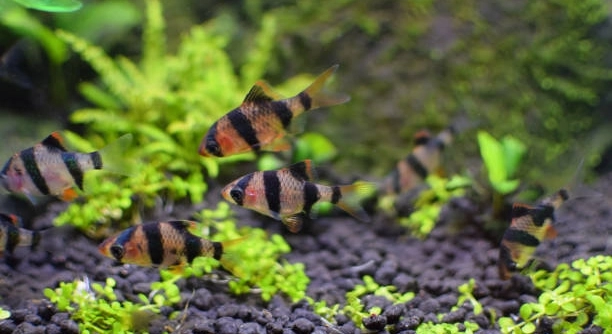
Setting up a fish tank for the first time can feel exciting but also tricky. Many beginners want to create a beautiful and healthy environment for their fish but often miss important steps. These small mistakes can affect the tank’s balance and the well-being of the fish.
Beginners often make mistakes such as incorrect water cycling, overfeeding, improper tank size, poor filtration, inadequate lighting, ignoring water parameters, and adding incompatible fish species. These errors can lead to unhealthy fish and unstable tank conditions.
Knowing the most common mistakes can help you avoid them and create a thriving aquarium. This guide will highlight key points to keep your tank healthy and your fish happy.
Skipping the Water Cycle Process
Many beginners set up their tanks and add fish too quickly. The water cycle, or nitrogen cycle, is essential for a healthy aquarium. It allows beneficial bacteria to grow and break down harmful ammonia from fish waste into less harmful substances. Without this process, ammonia and nitrites build up, which can be deadly to fish. Cycling the tank usually takes several weeks, and rushing it often leads to stress or death for the fish. Patience is key when setting up a new tank. Using test kits to monitor water parameters helps know when the cycle is complete. It’s also important to avoid over-cleaning filters, as that removes the helpful bacteria. Taking time to properly cycle the tank ensures a stable and safe environment for fish. This step might feel slow, but it prevents bigger problems later.
Skipping the water cycle is one of the most damaging mistakes beginners make.
Taking the time to cycle the tank helps protect your fish and keeps the water safe and balanced for their health.
Overfeeding Fish
Overfeeding is common for those new to keeping fish. It’s easy to think that feeding more means happier, healthier fish. However, feeding too much causes uneaten food to rot in the tank. This leads to poor water quality and harmful ammonia spikes. Fish can also become overweight and sick if overfed regularly. Feeding small amounts once or twice a day is usually enough. Watching how much the fish eat and removing leftover food helps maintain a clean tank. Using automatic feeders or setting a strict feeding schedule can keep overfeeding under control. Clean water and proper feeding together create a better home for fish to thrive and stay healthy.
Choosing the Wrong Tank Size
Picking a tank that is too small is a common mistake. Small tanks are harder to maintain and more prone to water quality problems.
Small tanks can cause rapid changes in water conditions, which stresses fish. Fish also need enough space to swim and grow. Overcrowding in a small tank can lead to aggression, poor health, and early death. Larger tanks are more stable and easier to manage because water conditions change slowly. It’s better to start with a bigger tank if space allows, even if it seems more expensive. Planning for the adult size of fish helps avoid moving them to a new tank too soon.
Some fish need more room than others. Researching the space requirements before buying fish helps prevent overcrowding. Providing a comfortable environment reduces stress and encourages natural behavior in fish.
Poor Filtration System
A good filtration system is crucial for a healthy tank. It keeps the water clean by removing waste and toxins.
Filters come in different types—mechanical, chemical, and biological—and each serves a purpose. Mechanical filters trap debris, chemical filters remove harmful chemicals, and biological filters support beneficial bacteria. Using a filter that matches the tank size is important. A filter that is too weak won’t keep the water clean, while an overly strong one can stress fish with strong currents. Regular maintenance of the filter, like cleaning or replacing media, keeps it working properly. Neglecting filtration can quickly lead to dirty water and sick fish.
Filtration also helps circulate water, distributing oxygen throughout the tank. Without proper circulation, some fish may struggle to breathe. Choosing the right filter and maintaining it supports a balanced ecosystem in the tank, which benefits all aquatic life.
Ignoring Water Parameters
Water parameters like pH, ammonia, nitrite, and nitrate levels affect fish health. Ignoring these can cause serious problems.
Regular testing is important to catch issues early. Small changes in water chemistry can stress fish and lead to disease.
Adding Incompatible Fish
Not all fish get along. Adding incompatible species can cause fights, injury, or death.
Researching fish behavior and needs before adding them helps create a peaceful tank. Mixing aggressive and peaceful fish often leads to trouble.
Inadequate Lighting
Lighting affects fish health and plant growth. Too much light can stress fish; too little can stunt plants.
Using a timer helps maintain consistent light cycles. Proper lighting supports a balanced aquarium environment.
Neglecting Regular Maintenance
Skipping water changes and tank cleaning causes buildup of waste and toxins. This harms fish and plants.
Routine maintenance keeps the tank clean, water quality high, and fish healthy. It prevents common problems from growing unnoticed.
What is the nitrogen cycle and why is it important?
The nitrogen cycle is the natural process where beneficial bacteria convert toxic ammonia from fish waste into less harmful substances like nitrites and then nitrates. This cycle keeps the tank water safe and balanced. Without it, ammonia builds up quickly and can poison fish, causing stress or death. Cycling the tank before adding fish gives these bacteria time to grow and establish. It usually takes a few weeks and can be tracked with water test kits. Starting a tank without cycling often leads to problems and unhealthy fish.
How often should I feed my fish?
Feeding fish once or twice a day with only what they can eat in a few minutes is best. Overfeeding causes leftover food to rot, which pollutes the water and harms fish. It can also lead to obesity and illness. Observe your fish during feeding and stop when they lose interest. Using measured portions helps keep feeding consistent. Some fish do better with smaller, more frequent meals. Adjust feeding based on the type and number of fish, but avoid guessing or feeding too much.
What tank size should I choose?
Choosing the right tank size depends on the fish species and how many you want. Bigger tanks are usually better because they provide more space and stable water conditions. Small tanks change water quality quickly, stressing fish and making maintenance harder. It’s important to research how large your fish grow and their space needs. Planning ahead saves you from moving fish to a bigger tank too soon. If space or budget is limited, start with the largest tank you can manage well.
How do I know if my fish are compatible?
Fish compatibility depends on their behavior, size, and environmental needs. Some fish are peaceful, while others are aggressive or territorial. Mixing incompatible fish often causes fights or stress. Research each species before adding it to your tank. Look for fish that share similar water requirements and temperaments. Introducing fish gradually also helps prevent conflicts. If unsure, ask a knowledgeable source or visit a reliable aquarium store. Creating a peaceful community tank improves the health and happiness of all your fish.
What type of filter should I use?
Filters vary by size and type: mechanical, chemical, and biological. Mechanical filters remove debris, chemical filters clear toxins, and biological filters support bacteria that clean the water. Choose a filter suited to your tank’s size and fish load. A filter that’s too weak won’t clean properly, while one too strong can stress fish with high currents. Regularly maintain your filter by cleaning or changing parts as needed. Proper filtration keeps the water clear, safe, and oxygenated, which is vital for fish health.
How important is water testing?
Testing water regularly is essential to keep fish safe. Ammonia, nitrite, nitrate, and pH levels reveal water quality and possible problems. Catching bad water conditions early allows for quick fixes before fish get sick. Test kits are affordable and easy to use. Make testing part of your weekly routine, especially in new tanks. Adjust water changes, filtration, or additives based on test results. Keeping water within safe limits helps your fish live longer and stay healthy.
How often should I change the water?
Water changes remove waste and toxins that build up over time. For most tanks, changing 10-20% of the water weekly is ideal. Smaller tanks or heavily stocked tanks may need more frequent changes. Use a siphon to remove debris from the gravel. Always replace water with treated, temperature-matched water to avoid shocking fish. Regular water changes keep the environment stable and healthy. Neglecting this causes poor water quality, stressing fish and encouraging disease.
What lighting is best for my tank?
Lighting depends on whether you have live plants or just fish. Plants need specific light to grow and stay healthy. Fish also need a regular day-night cycle to reduce stress. Use a timer to keep lighting consistent—usually 8 to 12 hours a day. Too much light can cause algae growth, while too little may harm plants. LED lights are popular because they use less energy and produce less heat. Adjust lighting based on your tank’s needs for the best results.
Why do fish sometimes die after being added to a new tank?
Fish deaths in new tanks often happen because the nitrogen cycle wasn’t established. Without beneficial bacteria, ammonia and nitrite levels spike quickly, poisoning fish. Other reasons include sudden water parameter changes, improper acclimation, or incompatible tank mates. Always cycle your tank before adding fish and introduce new fish slowly, allowing them to adjust to water conditions. Using quarantine tanks for new fish can prevent disease spread. Proper care during this stage helps your fish settle and thrive.
How can I prevent algae overgrowth?
Algae grow when there is too much light or excess nutrients in the water. Overfeeding and poor maintenance add nutrients that algae feed on. Keeping a balanced light schedule and not overfeeding reduces algae growth. Regular water changes and cleaning decorations or glass also help. Adding algae-eating fish or snails can control algae naturally. Maintaining good water quality and proper lighting creates a healthy balance where algae don’t take over the tank.
Setting up a fish tank takes time, care, and attention to detail. Many beginners make mistakes that can be avoided with some basic knowledge. The key to a healthy aquarium is understanding the needs of your fish and the environment they live in. Proper water cycling, choosing the right tank size, and good filtration are important starting points. These basics create a stable home for fish to grow and thrive. It’s better to take things slow and do research before adding fish or equipment to your tank. This helps avoid stress for the fish and frustration for you.
Regular maintenance is just as important as the initial setup. Overfeeding, ignoring water tests, and skipping water changes can quickly cause problems. Fish need clean water and a balanced environment to stay healthy. Watching how your fish behave and testing water regularly will give you clues about the tank’s condition. If problems appear, addressing them early prevents bigger issues later. A well-maintained tank will not only look beautiful but will also keep your fish happy. Keeping things simple and consistent makes aquarium care easier and more enjoyable.
Remember that each tank is different, and some trial and error is normal when you are new. Learning from mistakes helps improve your skills over time. Don’t be discouraged if things don’t go perfectly at first. With patience and care, you can create a peaceful and healthy aquarium. Your fish depend on you for their well-being, so being attentive and prepared is the best way to help them thrive. Following the tips and avoiding common mistakes will set you up for success in keeping a beautiful tank.

Hello,
If you enjoy the content that we create, please consider saying a "Thank You!" by leaving a tip.
Every little bit helps us continue crafting quality advice that supports the health, happiness, and well-being of pets around the world, for pets of all shapes, sizes, and species.
We really appreciate the kindness and support that you show us!