
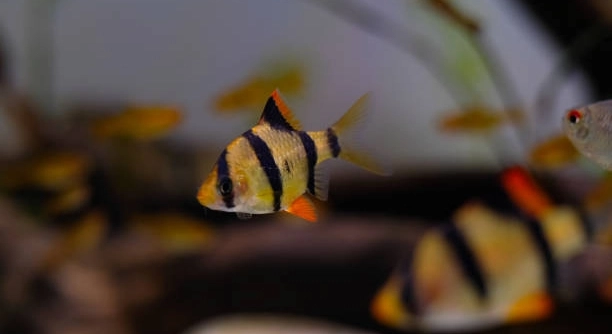
Tiger Barbs are popular freshwater fish known for their bright colors and lively behavior. Many aquarium owners enjoy watching them swim and interact within their tanks. Understanding their behavior helps create a better environment for these active fish.
Tiger Barbs do show signs of emotional behavior through their social interactions, responses to changes, and stress levels. They can display excitement, fear, or aggression, which are indicators of their emotional states within their environment.
Learning more about their emotional cues can improve how we care for Tiger Barbs, promoting a healthier and more balanced habitat for them to thrive in.
Understanding Tiger Barbs’ Social Behavior
Tiger Barbs are naturally social fish that thrive in groups. They often swim in schools, which helps them feel safe and reduces stress. When kept alone, they may become shy or aggressive. Within a group, they establish a hierarchy through chasing and nipping at each other, which can seem rough but is normal. This behavior shows they communicate and respond to their surroundings, hinting at emotional awareness. Their reactions to changes, like new tank mates or rearranged decorations, also reveal how sensitive they are to their environment. Observing these interactions carefully can help spot signs of stress or contentment, allowing better care.
Their social nature plays a big role in their emotional well-being and overall health.
Recognizing this behavior can guide how to set up your tank. Keeping a suitable group size, around six or more, encourages natural interaction and prevents loneliness or bullying. Providing hiding spots can also reduce tension. These small adjustments help Tiger Barbs feel secure and behave more naturally.
Emotional Responses and Environmental Triggers
Tiger Barbs react emotionally to their environment and stimuli.
Stress from poor water quality or overcrowding leads to visible changes. These fish may hide more, lose their bright colors, or become aggressive. Positive changes, like feeding time or tank improvements, often trigger excitement shown through active swimming and chasing. Understanding these emotional cues helps maintain a balanced tank. Consistent monitoring and proper care support their well-being, preventing long-term health problems and behavioral issues. This awareness improves the connection between owner and fish, ensuring the best living conditions possible.
Signs of Stress in Tiger Barbs
Stress in Tiger Barbs is common when conditions change suddenly. They may show signs like hiding, loss of appetite, or color fading. Identifying these signs early helps prevent serious health issues.
Stress affects their immune system, making them more prone to disease. Sudden temperature changes, poor water quality, or overcrowded tanks increase stress levels. Aggressive tank mates can also trigger constant tension. When stressed, Tiger Barbs may act lethargic or excessively restless. It’s important to maintain stable water parameters and avoid overcrowding. Adding plants or hiding places can reduce stress and create a calmer environment.
Regular observation allows you to notice changes quickly. Keeping their environment stable and providing proper care helps minimize stress. This leads to healthier fish that show more natural behavior and emotional responses.
How to Encourage Positive Behavior
Positive behavior in Tiger Barbs results from a well-maintained tank and proper social grouping. They show more active swimming and playful chasing when comfortable.
Ensuring a clean tank with regular water changes prevents discomfort and supports their health. A balanced diet with varied foods keeps them energetic. Keeping Tiger Barbs in groups of six or more prevents bullying and supports natural schooling behavior. When happy, they display brighter colors and explore their environment. Avoid sudden changes in the tank setup to maintain stability. This encourages relaxed and natural behavior, making the fish more enjoyable to watch.
Interaction with Tank Mates
Tiger Barbs are known for their active and sometimes aggressive interactions. They usually get along well with similarly sized, robust fish.
However, they may nip at slow-moving or long-finned tank mates. Choosing compatible species is important to maintain peace and reduce stress in the aquarium.
Observing Emotional Cues
Tiger Barbs communicate through body language like fin position and swimming speed. Quick darting or flared fins often indicate excitement or agitation.
Watching these subtle signs helps understand their mood and overall well-being. It allows timely responses to improve their environment.
Impact of Feeding Routine
A consistent feeding schedule supports Tiger Barbs’ emotional health. Irregular feeding can cause anxiety or aggressive behavior.
Regular feeding helps build trust and encourages natural activity patterns, contributing to a stable tank environment.
Providing Hiding Places
Hiding spots reduce stress by offering a safe retreat. Tiger Barbs benefit from plants and decorations that create cover in the tank.
What kind of emotional behavior can Tiger Barbs show?
Tiger Barbs display a range of emotional behaviors mainly through their social interactions and reactions to their environment. They can show excitement by swimming actively or chasing each other. When stressed or scared, they may hide, lose color, or act aggressively. These behaviors are clear signs of their emotional states.
How can I tell if my Tiger Barbs are stressed?
Stress in Tiger Barbs often shows through changes in behavior and appearance. They may hide more often, stop eating, or show dull colors. Increased aggression or lethargy can also indicate stress. Monitoring these changes is important for their well-being.
Why do Tiger Barbs nip at other fish?
Nipping is a natural behavior tied to their social hierarchy. It helps establish dominance within the group. However, if they nip too much, it may be a sign of overcrowding, lack of stimulation, or stress. Proper tank size and enough companions reduce excessive nipping.
Can Tiger Barbs recognize their owner?
While Tiger Barbs don’t form personal bonds like some pets, they do recognize regular feeding times and may respond to their owner’s presence. This recognition is based on routine rather than emotional attachment.
How does the tank environment affect Tiger Barbs’ emotions?
A stable, clean tank with proper temperature and enough space supports positive emotional behavior. Sudden changes or poor water quality cause stress and negative reactions. Adding plants and hiding spots helps Tiger Barbs feel secure.
Is it normal for Tiger Barbs to be aggressive?
Yes, Tiger Barbs naturally show some aggression, especially during establishing hierarchy or feeding. This is part of their normal behavior but should be monitored. Excessive aggression usually points to stress or overcrowding.
What should I do if my Tiger Barbs become overly aggressive?
If aggression increases, check tank conditions first. Make sure the tank isn’t overcrowded and that water quality is good. Adding more hiding spaces or increasing the group size can also reduce aggression by spreading social tension.
Do Tiger Barbs show signs of affection?
Tiger Barbs don’t show affection the way mammals do, but their social behaviors, like schooling and following each other, indicate comfort and trust within the group. Calm interactions suggest they feel safe.
How important is the group size for Tiger Barbs’ emotional health?
Group size is very important. Tiger Barbs do best in groups of six or more. Smaller groups can lead to stress, aggression, or loneliness. A good-sized group promotes natural behavior and emotional balance.
Can diet influence Tiger Barbs’ behavior?
Yes, a balanced diet keeps Tiger Barbs healthy and active. Poor nutrition can lead to lethargy, weakened immunity, and irritability. Feeding a variety of foods supports both physical and emotional health.
How often should I interact with my Tiger Barbs?
Regular but gentle interaction, mainly during feeding and tank maintenance, helps Tiger Barbs recognize routine. Avoid sudden movements or loud noises, as these can cause stress. Interaction should support their comfort, not disturb it.
What role do hiding places play in emotional well-being?
Hiding places are essential for reducing stress. They offer Tiger Barbs a safe space to retreat when feeling threatened or tired. Without hiding spots, fish may feel exposed and anxious, which affects their behavior negatively.
Can Tiger Barbs get bored?
Yes, Tiger Barbs can become bored without enough stimulation. A dull environment or lack of companions may cause lethargy or increased aggression. Providing a dynamic tank setup with plants, decorations, and enough group members keeps them engaged.
Are there signs of happiness in Tiger Barbs?
Happy Tiger Barbs are active, show bright colors, and engage in schooling or chasing in a playful way. They explore the tank confidently and eat well. These are good indicators that their emotional needs are met.
How do changes in the tank affect Tiger Barbs emotionally?
Sudden changes in water parameters, decorations, or tank mates can cause stress. Tiger Barbs may hide or act aggressively when unsettled. Gradual adjustments and careful planning help them adapt without emotional distress.
Can Tiger Barbs experience long-term emotional effects?
Yes, prolonged stress or poor conditions can affect their health and behavior permanently. Chronic stress weakens the immune system, reduces lifespan, and causes ongoing aggression or lethargy. Consistent care prevents these issues.
Tiger Barbs are more than just colorful fish swimming in an aquarium. They display various emotional behaviors through their interactions, movements, and reactions to their environment. Observing these behaviors gives valuable insight into their well-being. Understanding signs of stress, excitement, or aggression helps ensure they live in a healthy and comfortable environment. This knowledge allows you to adjust their tank setup or care routine to better meet their needs.
Maintaining a stable and clean tank is essential for Tiger Barbs to show positive emotional behavior. They do best in groups of six or more, which supports natural schooling and reduces stress. Providing hiding places and keeping water quality high helps them feel safe and secure. Feeding them a balanced diet regularly also contributes to their health and mood. These factors together create an environment where Tiger Barbs can thrive and express their natural behaviors.
Paying attention to Tiger Barbs’ emotional signals is an important part of responsible fish care. It allows you to prevent problems before they become serious and promotes a peaceful aquarium atmosphere. While they do not form emotional bonds like pets such as dogs or cats, their social behaviors show they respond to their surroundings in meaningful ways. Creating the right environment and understanding their behavior improves both their quality of life and the enjoyment of watching them.

Hello,
If you enjoy the content that we create, please consider saying a "Thank You!" by leaving a tip.
Every little bit helps us continue crafting quality advice that supports the health, happiness, and well-being of pets around the world, for pets of all shapes, sizes, and species.
We really appreciate the kindness and support that you show us!