
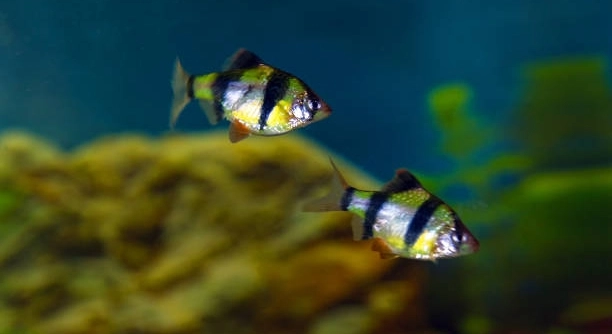
Is your barb suddenly swimming alone, away from the rest of your fish? This change in behavior can be concerning for any fish owner.
Barbs often swim alone due to stress, illness, territorial disputes, poor water quality, or incompatibility with tank mates. These issues affect their comfort and social behavior, prompting them to isolate themselves instead of swimming with the group.
Understanding these signs can help you make your aquarium safer and more comfortable for all your fish.
Stress From Sudden Changes in the Tank
Barbs are sensitive to changes in their environment. A sudden change in temperature, lighting, or tank decor can easily throw them off balance. If you’ve recently rearranged the tank, added new plants, or changed the water too quickly, your barb may react by separating from the group. Fish are creatures of habit, and even small disruptions can affect their behavior. Introducing new tank mates or removing familiar ones can also increase anxiety. It’s important to make changes gradually and observe how your fish respond. Give your barb time to adjust and return to its normal behavior.
Fish often isolate themselves when they feel unsafe. Changes to their surroundings can create a sense of instability.
Try to introduce changes slowly and one at a time. Avoid abrupt lighting shifts and keep temperature stable. Monitor your water parameters regularly to ensure they’re consistent. This gives your barb a better chance to remain calm and swim confidently in the group.
Illness or Physical Discomfort
Fish that feel unwell often separate themselves from the rest of the group. This is especially true for barbs.
When a barb is sick or physically uncomfortable, it may stop interacting with other fish and spend more time near the bottom or corners of the tank. Illness can be caused by parasites, bacterial infections, or even injuries from aggressive tank mates. Look for signs like faded color, torn fins, abnormal swimming patterns, or loss of appetite. If you notice anything unusual, isolate the affected barb in a hospital tank for observation. Make sure to test the water and treat any imbalances right away. Even something as simple as poor water quality can lead to stress-related illness. Providing a clean, calm environment helps your barb recover and return to normal social behavior. Always act quickly at the first signs of illness to prevent it from spreading or worsening.
Aggression From Other Fish
Aggressive tank mates can cause your barb to hide or swim alone. This often happens when barbs are kept with larger, more dominant species or even with overly aggressive barbs in the same group.
If your barb is constantly being chased, nipped at, or excluded from feeding time, it may isolate itself for safety. Barbs are semi-aggressive and do best in evenly matched groups. Uneven numbers or a poorly matched tank can cause bullying. Try increasing the group size to reduce targeted aggression and give each fish space. Also, make sure the tank has hiding spots. Dense plants, caves, and decorations can give your barb a break from stress and help restore balance. Observing the group dynamic regularly can help catch problems early before they become serious.
Rearranging the tank decor can disrupt established territories and reduce bullying. In some cases, separating the aggressive fish may be necessary to keep peace. Introducing new barbs all at once instead of one at a time can also help even out the group dynamic. Keep in mind that not all barbs behave the same way—some are more dominant than others. Watching how they interact after every change is a helpful way to manage aggression before it leads to lasting damage or stress.
Poor Water Conditions
Dirty water can quickly affect your barb’s behavior. If ammonia, nitrite, or nitrate levels are too high, your barb may swim alone due to stress or discomfort.
Poor water quality affects a fish’s health, breathing, and stress levels. Barbs are especially active swimmers and need clean, well-oxygenated water to stay healthy. Cloudy water, bad smells, or algae buildup can all be signs of a problem. Regular testing is essential. If the parameters are off, perform partial water changes to restore balance. Clean filters, remove waste, and avoid overfeeding. Water that looks fine isn’t always safe—small shifts can have a big impact. Your barb’s behavior may be the first sign that something’s wrong, even before test results show it.
It helps to set a weekly schedule for water changes and filter maintenance. Keep your tank lightly stocked to avoid waste buildup, and feed only what your fish can eat in two minutes. Always treat tap water with a conditioner before adding it to the tank. Adding live plants can also help absorb nitrates and improve water stability over time. With proper care, your barb should start swimming comfortably with the group again.
Incompatible Tank Mates
Keeping barbs with slow-moving or long-finned species can lead to stress or isolation. Barbs are active swimmers and may nip at peaceful or fragile fish, creating tension in the tank.
When tank mates don’t match in energy or temperament, barbs may either become aggressive or withdraw entirely. Compatibility matters.
Lack of Stimulation
Barbs need space, movement, and variety. A plain tank or one without hiding spots, plants, or areas to explore can lead to boredom and stress. This may cause them to separate from the group or stay in one corner. Fish need mental stimulation just like other animals. Try adding live plants, floating decorations, or rearranging tank elements to encourage natural exploration. These changes help keep your barb active, social, and healthy. If your fish seem bored or sluggish, adding a bit more interest to their space can make a big difference in their behavior.
Changes in School Size
Barbs are schooling fish and do best in groups of at least five to six. A smaller group can cause stress and isolation.
FAQ
Why is my barb hiding all of a sudden?
Sudden hiding is often caused by stress. This can come from recent changes in the tank, such as new decorations, lighting shifts, or new fish being added. Poor water quality is another common reason. When water parameters like ammonia or nitrite levels are too high, barbs may retreat and stay in one spot. It’s also possible your barb is being bullied by other fish or feels unsafe in its current environment. Look for signs of aggression or crowding. Hiding can also be an early sign of illness. Observe for faded colors, torn fins, or lack of appetite.
Can barbs get depressed or lonely?
Barbs are social fish that naturally thrive in groups. While they don’t experience emotions in the human sense, isolation can lead to behavior changes that resemble depression. A lone barb in a small group may lose interest in swimming or stop eating. Keeping at least five to six barbs together encourages natural schooling behavior and reduces anxiety. If your barb is swimming alone often, it may be reacting to stress, poor water conditions, or lack of stimulation. Providing a stable environment and a proper group size helps prevent these signs and keeps your fish active and healthy.
Do barbs need a specific tank setup to feel comfortable?
Yes, barbs do best in tanks with open swimming areas and plenty of hiding spots. They are active swimmers and need space to move freely. At the same time, dense plants, driftwood, and caves help them feel secure. A 20-gallon tank or larger is recommended for a small school of barbs. Keep the lighting moderate and use a filter that maintains clean, oxygen-rich water without creating strong currents. Barbs prefer slightly acidic to neutral pH levels and stable temperatures around 74–79°F. A well-planned tank setup can make a big difference in how social and active your barbs behave.
Why is only one barb swimming alone when the rest are fine?
If just one barb is swimming alone, it may be feeling unwell, stressed, or bullied. First, check for signs of illness such as clamped fins, unusual swimming patterns, or discoloration. If the fish looks healthy, observe group dynamics. It may be that this barb is lower in the pecking order and is being pushed out by more dominant ones. Sometimes a barb just has a different personality—it might be shy or prefer more space. However, it’s always best to rule out environmental issues first. Test your water, ensure the tank is not overcrowded, and make sure there are no aggressive tank mates.
Should I isolate a barb that is not socializing?
Only isolate your barb if it shows signs of illness or if it’s being injured by other fish. Isolation in a hospital tank is helpful for treatment and observation, but it’s not meant for long-term use if the fish is healthy. Removing a healthy barb from its school can increase stress and worsen the problem. Instead, focus on identifying the cause—whether it’s water quality, aggression, or environmental discomfort—and address it directly. Social withdrawal is often a symptom, not the problem itself. Returning your barb to a stable, balanced community is usually the best long-term solution.
Do barbs need hiding spots even if they’re active swimmers?
Yes, hiding spots are important for all fish, including active ones like barbs. While barbs spend most of their time swimming in the middle of the tank, they still need places where they can retreat and feel secure. Plants, rocks, and decorations give them somewhere to rest or escape when stressed. A tank without cover can make them feel exposed, especially if there’s too much light or if they’re being chased by other fish. Providing structure in the tank helps balance their energy and reduces stress, which can prevent isolation or defensive behavior.
Can changing the lighting affect barb behavior?
Yes, lighting changes can affect how barbs behave. Sudden brightness or changes in day-night cycles can confuse or stress them. Barbs prefer a regular light schedule, with 8–10 hours of light each day. Avoid placing the tank in direct sunlight, which can cause glare and sudden shifts in brightness. Using a timer helps keep lighting consistent. If your barb starts hiding or swimming alone after a lighting change, it may need time to adjust. Consider dimming the light or adding floating plants to create shaded areas, making the environment feel safer and more natural.
Final Thoughts
Barbs are naturally social fish that thrive in active, well-balanced tanks. When one begins swimming alone, it’s often a sign that something is off. This behavior may be triggered by stress, poor water quality, aggression, or changes in their surroundings. It can also result from illness or discomfort, especially if the fish shows other unusual signs like lack of appetite or color fading. Paying attention to even small changes in your barb’s behavior can help you identify problems early and take steps to fix them before they get worse. A barb that swims alone isn’t always sick, but it’s always worth a closer look.
Making sure your tank setup matches the needs of your barbs is one of the most important steps to keeping them healthy and social. They need clean water, stable temperatures, and enough space to swim. They also do best in groups of five or more and with tank mates that have similar energy levels. A peaceful and structured environment—with hiding spots, live plants, and consistent care—can help your barb feel safe enough to join the group again. Regular water testing, gentle feeding habits, and observing social behaviors are small habits that make a big difference in your fish’s well-being over time.
It’s easy to miss subtle signs when life gets busy, but a barb that separates itself shouldn’t be ignored. Their behavior is often the first clue that something needs to be checked or changed. While it can be frustrating to see one of your fish act differently, the good news is that small adjustments often lead to big improvements. Whether it’s improving water quality, rearranging the tank, or simply growing your barb group, these steps can help restore balance and reduce stress. The more you understand your barb’s habits, the easier it becomes to create a tank where they feel safe, active, and comfortable. Keeping a close eye and responding with care helps your barb return to its usual, lively self.

Hello,
If you enjoy the content that we create, please consider saying a "Thank You!" by leaving a tip.
Every little bit helps us continue crafting quality advice that supports the health, happiness, and well-being of pets around the world, for pets of all shapes, sizes, and species.
We really appreciate the kindness and support that you show us!