
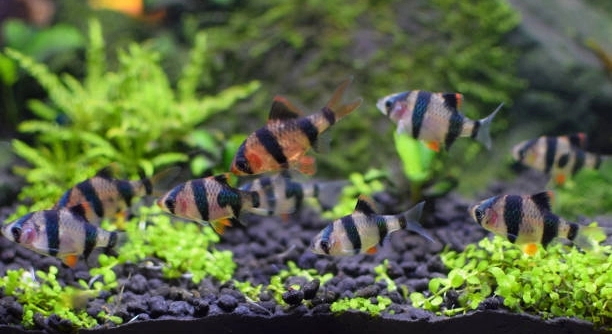
Are your tiger barbs showing signs of stress or unusual behavior, leaving you unsure about how to improve their care routine?
Keeping tiger barbs healthy requires consistent daily habits, including clean water maintenance, proper feeding schedules, and stable tank conditions. Monitoring behavior, offering enrichment, and avoiding overcrowding are also essential to support their long-term health and well-being.
Daily attention to their needs can make a big difference in how they thrive in your aquarium over time.
Maintain Clean Water Daily
Clean water is one of the most important parts of keeping tiger barbs healthy. Change 10–20% of the tank water every day to remove waste and toxins. Use a siphon to clean the substrate and make sure the water you add back is treated to remove chlorine. Keep the temperature stable, ideally between 74–79°F, and use a heater if needed. Test the water regularly for ammonia, nitrites, and nitrates. A reliable filter should run continuously to maintain good water quality. When the water is clean, tiger barbs swim actively, eat well, and show brighter colors. Poor water quality can lead to stress, disease, and dull coloration. Keeping the tank clean every day takes only a few minutes and helps avoid bigger problems later. It also makes your tank look better and gives your fish a more comfortable home where they can thrive and behave naturally.
Daily water changes keep toxins low and make the tank healthier for tiger barbs.
Even if your tank looks clean, harmful chemicals build up quickly. A small water change every day will protect your fish from stress and illness, especially in smaller tanks. It also helps maintain oxygen levels and keeps your tank looking clear and fresh.
Feed the Right Amount
Feed tiger barbs small amounts two to three times a day. Use high-quality flakes, pellets, and occasionally frozen or live food like bloodworms or brine shrimp. Always remove uneaten food after five minutes.
Overfeeding can harm tiger barbs more than you think. Leftover food breaks down quickly and pollutes the water. This raises ammonia and nitrite levels, which can stress or even kill your fish. Feeding too much can also lead to obesity and digestive issues, making your fish slow and inactive. Instead, offer only what they can eat within a few minutes and switch up the diet now and then. This helps prevent boredom and provides the nutrients they need to stay active and vibrant. Keep in mind that hungry fish are more likely to explore their space and interact with tankmates, while overfed ones tend to stay still and dull. With careful feeding, tiger barbs stay lively, colorful, and full of energy.
Watch for Signs of Illness
Look for clamped fins, faded colors, white spots, or unusual swimming. Changes in appetite or hiding more often may also mean something is wrong. Catching signs early gives you a better chance to treat problems quickly and protect the rest of the tank.
If your tiger barbs seem less active or are showing changes in behavior, take a closer look. A fish that separates from the group, hides often, or swims oddly could be sick or stressed. White spots can mean ich, while redness or open wounds may signal a bacterial infection. Test your water right away, since poor conditions often lead to illness. Quarantine sick fish in a separate tank if possible and consider treatment with aquarium-safe medications. A healthy fish should swim actively in a group, eat with interest, and have vibrant coloration. Staying alert every day helps you keep small issues from turning into major problems.
Check each fish briefly every day while feeding. You don’t need to stare for long, but a quick scan can help spot anything unusual. If something doesn’t look right, test the water and observe their behavior a bit more. Early care and attention can save your fish and prevent the issue from spreading.
Avoid Overcrowding the Tank
Tiger barbs are active schooling fish, and overcrowding makes them stressed and aggressive. Keep at least six tiger barbs together and allow enough space for swimming. A 20-gallon tank works well for a small group.
When too many fish are packed into a small space, tiger barbs become territorial and nippy. This leads to fights, damaged fins, and constant stress for the entire tank. More fish also means more waste, making it harder to keep the water clean. Always check your tank’s capacity before adding more fish. A good rule is one inch of fish per gallon, but with active fish like tiger barbs, a bit more room is better. Plants and decorations help give them places to explore and hide, which lowers aggression. Having the right number of fish in the right space helps them form natural social behavior, swim freely, and live healthier, longer lives.
Offer Enrichment in the Tank
Tiger barbs are curious and active, so they enjoy a tank with plants, rocks, and decorations. Moving objects around every few weeks keeps things interesting and encourages natural behavior like exploring, chasing, and group swimming.
Add tall plants and hiding spots to create a balanced space. This helps reduce stress and gives each fish room to rest or escape. Using a mix of live and artificial plants works well. Just make sure there’s enough space for swimming in the middle.
Keep a Stable Temperature
Tiger barbs need a steady water temperature between 74–79°F. Sudden changes in temperature can stress their immune system, making them more likely to get sick. Use a reliable heater and thermometer to check the temperature daily. Avoid placing the tank near windows or heaters, which can cause unwanted fluctuations. If your room gets cold at night, consider an adjustable heater with a built-in thermostat. A consistent temperature helps keep their metabolism, digestion, and behavior stable. When the water stays steady, tiger barbs tend to stay active, eat well, and display brighter colors throughout the day.
Limit Loud Noises Near the Tank
Loud sounds and vibrations can scare tiger barbs, causing them to dart around or hide. Place their tank in a quiet area away from speakers, TVs, or frequent foot traffic to keep them calm.
FAQ
How often should I change the water in my tiger barb tank?
Regular water changes are essential for tiger barb health. Ideally, change 10–20% of the water every day to keep ammonia and nitrates low. If daily changes aren’t possible, aim for a larger change of 25–30% twice a week, but more frequent partial changes are better for maintaining stable water quality. Always use water conditioner to remove chlorine and chloramine from tap water before adding it to the tank.
What is the best diet for tiger barbs?
Tiger barbs thrive on a varied diet. High-quality flakes or pellets designed for tropical fish form the base. Supplement this with occasional frozen or live foods like bloodworms, brine shrimp, or daphnia. Variety ensures they get all necessary nutrients and helps keep them active and healthy. Avoid overfeeding; small amounts two to three times a day are enough.
Why are my tiger barbs nipping each other?
Nipping is common but can increase if the tank is overcrowded or lacks hiding spots. Tiger barbs are schooling fish and do best in groups of six or more. Proper group size and enough space reduce aggression. Adding plants and decorations also helps by providing places to hide and explore, which lowers stress and fighting.
What water parameters should I maintain for tiger barbs?
Maintain a temperature between 74–79°F (23–26°C), pH of 6.5–7.5, and hardness of 5–19 dGH. Regular testing is important to detect any spikes in ammonia, nitrites, or nitrates. Keeping these stable supports your fish’s immune system and behavior.
How can I tell if my tiger barb is sick?
Signs of illness include clamped fins, faded color, white spots, erratic swimming, or loss of appetite. If you notice any of these, test water parameters first. Poor water quality is often the cause. Quarantine sick fish if possible and consider treatment with appropriate medications. Early detection improves recovery chances.
Can tiger barbs live with other fish?
Tiger barbs are semi-aggressive and best kept with other fast, similarly sized fish. Avoid slow-moving or long-finned species that might be targets of nipping. Suitable tank mates include danios, barbs, and some tetras. Always monitor behavior after introducing new fish to prevent bullying or stress.
How large should my tank be for tiger barbs?
A minimum of 20 gallons is recommended for a small group of six tiger barbs. Larger tanks help maintain stable water conditions and give fish enough room to swim freely. Avoid overcrowding, which leads to stress, aggression, and poor water quality.
Is it necessary to use a heater in the tiger barb tank?
Yes, tiger barbs need a stable temperature, ideally between 74–79°F. In most homes, a heater is necessary to keep the water warm enough, especially in cooler climates or during colder months. Use a reliable heater with a thermostat to avoid sudden temperature changes.
How important is tank decoration for tiger barbs?
Decorations like plants, rocks, and caves create hiding spots and reduce stress. They also encourage natural behavior such as exploring and schooling. A mix of live and artificial plants works well. Decorations help break lines of sight, which can lower aggression.
What should I do if my tiger barb’s fins look damaged?
Damaged fins can result from nipping, poor water quality, or disease. Improve water conditions with frequent changes and test for ammonia or nitrites. If aggression is causing damage, consider rearranging the tank or increasing group size. Medications may be necessary if infection is present. Monitor closely until fins heal.
Final Thoughts
Keeping tiger barbs healthy requires attention to daily habits. Simple tasks like changing part of the water regularly, feeding the right amount, and watching for signs of illness help keep these fish active and vibrant. Clean water is especially important since poor water quality quickly leads to stress and disease. By maintaining stable tank conditions and avoiding overcrowding, you provide a comfortable environment that supports their natural behavior and social needs. A healthy tiger barb is more colorful and lively, making your aquarium a pleasant space to enjoy.
Consistency is key when caring for tiger barbs. They respond well to routine, so sticking to regular feeding times and water maintenance creates stability. Adding decorations and plants gives them places to hide and explore, which reduces aggression and boredom. Maintaining the correct temperature and minimizing loud noises around the tank also help keep stress low. When all these factors come together, tiger barbs thrive and display their natural energy. Taking these steps is a simple way to support their long-term health and happiness.
Remember, tiger barbs are social fish that need space, clean water, and a balanced diet. Small daily actions add up and prevent many common problems. Paying attention to their behavior and environment helps you catch issues early before they become serious. These fish have unique needs, but with proper care, they can live active, healthy lives in your home aquarium. Keeping your tiger barbs healthy is rewarding and helps create a lively, beautiful tank for years to come.

Hello,
If you enjoy the content that we create, please consider saying a "Thank You!" by leaving a tip.
Every little bit helps us continue crafting quality advice that supports the health, happiness, and well-being of pets around the world, for pets of all shapes, sizes, and species.
We really appreciate the kindness and support that you show us!