
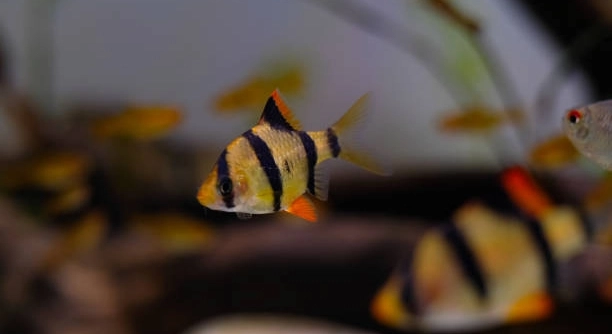
Tiger barbs are lively fish that can sometimes become easily startled. When they get spooked, their behavior changes, which can be worrying for fish owners. Learning how to calm them down helps maintain a peaceful aquarium environment.
To calm a spooked tiger barb, it is important to reduce sudden movements and loud noises around the tank, provide plenty of hiding spaces, maintain stable water conditions, and avoid overcrowding. These steps help lower stress and promote calm behavior.
Knowing these simple methods will help you create a calm space for your tiger barbs, improving their well-being and making your aquarium more enjoyable.
Understanding Tiger Barb Behavior
Tiger barbs are naturally active and social fish, often swimming in groups. When they feel threatened, their behavior shifts quickly. They may dart around the tank, hide, or even nip at other fish. This sudden change is their way of trying to protect themselves. Factors like sudden loud noises, fast movements near the aquarium, or changes in lighting can startle them. It’s important to observe your fish closely to notice signs of stress early. Stress affects their health and can lead to illness if not addressed. Creating a calm environment helps reduce these stress triggers. Simple changes, such as dimming lights gradually or moving slowly around the tank, can make a difference. Providing plants or decorations gives the fish places to hide and feel safe. Paying attention to their environment helps keep them calm and healthy.
Their behavior is influenced by the tank’s surroundings and their interactions with other fish.
Regular care and a calm environment reduce stress and encourage peaceful behavior.
Keep the Aquarium Stable
Keeping water conditions stable is crucial for tiger barbs. Sudden changes in temperature, pH, or cleanliness cause stress. Regular water testing and changes help maintain a healthy environment. Avoid adding new fish too quickly, as this can upset the balance. A well-filtered tank with proper aeration supports their needs. Using a heater keeps the water at a steady temperature, which tiger barbs prefer. Sudden temperature drops or rises can make them anxious and cause spooking. The right water parameters also protect their immune system from weakening. Overfeeding or leftover food can dirty the water, so feeding small amounts regularly is better. Consistent maintenance reduces surprises that may frighten the fish. This stability helps tiger barbs feel safe and behave normally.
Small changes can cause stress, so avoid sudden shifts in tank conditions.
Consistent water quality and temperature control are key to calming spooked tiger barbs.
Regular maintenance prevents problems before they start, supporting your fish’s health.
Provide Plenty of Hiding Spots
Tiger barbs need places to feel safe. Plants, rocks, and decorations create hiding spots. These reduce stress by giving the fish a place to retreat when scared.
Dense plants or caves offer shelter, helping tiger barbs calm down quickly after being startled. When they have hiding places, they feel less exposed to threats. Decorations also break up the tank’s open space, which can reduce aggressive behavior among fish. You can use live or artificial plants, but live plants add natural benefits like oxygenation. Arrange decorations carefully to avoid blocking swimming areas. Change the setup slowly so the fish can adjust without added stress. Providing these safe zones improves overall tank harmony and helps spooked tiger barbs settle faster.
Too little cover can increase stress and aggression. More hiding places equal a calmer environment.
Reduce Sudden Movements and Loud Noises
Avoid quick movements or loud sounds near the aquarium. These can startle tiger barbs and make them swim frantically.
Tiger barbs have sensitive senses and react quickly to changes outside their tank. Moving too fast or tapping the glass can trigger a spooked response. It helps to approach the tank calmly and keep noise levels low. Gentle actions around the aquarium let the fish feel secure. This also prevents repeated stress, which can harm their health over time. Consistent calm behavior from you teaches the fish that their environment is safe. Keep other pets or children from causing sudden disturbances near the tank. This steady atmosphere allows tiger barbs to swim confidently without fear.
Maintain Proper Tank Lighting
Bright or flashing lights can stress tiger barbs. Use soft, consistent lighting to keep them calm. Avoid sudden changes in light intensity to prevent startling the fish.
A timer for the lights helps create a stable day-night cycle. This routine supports natural behavior and reduces anxiety. Dimmer lights during feeding times can also ease stress.
Avoid Overcrowding
Too many fish in the tank cause stress and aggressive behavior. Keep the population balanced to help tiger barbs stay calm.
Overcrowding increases competition for space and resources. This leads to frequent chasing and nipping, which frightens and harms the fish. A well-sized tank with appropriate fish numbers improves their comfort and social interaction.
Gentle Feeding Routine
Feed tiger barbs small amounts regularly. Sudden large feedings can cause excitement and stress.
FAQ
How can I tell if my tiger barb is stressed?
Stressed tiger barbs often swim erratically or hide more than usual. They may lose color, refuse food, or nip aggressively at tank mates. Watch for rapid gill movement or clamped fins. These signs mean your fish is uncomfortable and needs a calmer environment.
What causes tiger barbs to get spooked?
Sudden loud noises, quick movements near the tank, bright flashing lights, and changes in water conditions can startle tiger barbs. Overcrowding and lack of hiding spots also increase stress. Keeping a stable environment with gentle care reduces these triggers.
Is it okay to tap on the glass to get their attention?
Tapping the glass is not recommended. It causes sudden vibrations and noises that scare tiger barbs. Instead, approach the tank calmly and use slow hand movements if you want to interact with them. This helps build trust and reduces stress.
How often should I clean the tank to keep tiger barbs calm?
Regular maintenance is important. Partial water changes of about 20-25% every week or two keep water clean and stable. Avoid deep cleanings that disrupt the tank too much at once. Consistency prevents sudden water changes that stress the fish.
Can other fish species cause tiger barbs to become stressed?
Yes, aggressive or very large tank mates can scare tiger barbs. Choose peaceful fish that thrive in similar conditions. Avoid overcrowding and monitor interactions to ensure all fish live comfortably. A balanced community helps tiger barbs feel safe.
What type of decorations work best to calm tiger barbs?
Live or artificial plants, smooth rocks, and caves provide excellent hiding spots. Avoid sharp edges or overcrowded setups. Decorations should create both open swimming space and secure shelters. Changing the layout slowly helps the fish adjust without added stress.
Does water temperature affect tiger barb behavior?
Yes, tiger barbs prefer temperatures between 74°F and 79°F (23°C – 26°C). Sudden drops or spikes cause anxiety and spooking. Using a reliable heater and thermometer keeps the temperature steady and comfortable.
How many tiger barbs should be kept together?
It’s best to keep tiger barbs in groups of at least six. They are schooling fish and feel safer with company. Smaller groups can lead to aggression and stress. Proper group size reduces tension and encourages natural behavior.
What should I do if my tiger barb gets injured while spooked?
Isolate the injured fish in a quarantine tank to prevent infection. Keep the water clean and treat wounds with aquarium-safe remedies if needed. Monitor the fish closely until it recovers and avoid stressful situations during healing.
Can feeding too much cause stress in tiger barbs?
Yes, overfeeding leads to poor water quality and excess waste. This harms the fish’s health and increases stress. Feed small portions once or twice a day and remove leftover food promptly to keep the tank clean and the fish calm.
Are there any signs that a spooked tiger barb is calming down?
When a tiger barb slows its swimming, returns to normal color, and begins exploring the tank again, it shows signs of calming. Eating regularly and interacting peacefully with tank mates also indicate reduced stress.
Should I change the tank setup if my tiger barb keeps getting spooked?
If stress continues, review the tank setup. Add more hiding spots, reduce bright lighting, and ensure water conditions are stable. Small changes over time help the fish adjust without overwhelming them.
Can human stress affect tiger barbs?
Fish don’t feel human emotions directly, but loud voices, fast movements, and chaotic behavior around the tank can cause fish stress. Maintaining a calm and quiet environment helps tiger barbs stay relaxed.
Is it normal for tiger barbs to nip at each other when spooked?
Some nipping happens, especially if they are stressed or overcrowded. Providing enough space and hiding spots reduces this behavior. If it gets severe, consider adjusting the group size or tank conditions.
How can I make my tiger barbs feel safe during tank maintenance?
Do maintenance slowly and avoid sudden changes. Keep water temperature and chemistry stable. Turn off bright lights and move gently around the tank. This approach minimizes disturbance and helps fish remain calm.
Final Thoughts
Keeping tiger barbs calm and comfortable takes a little attention and care. These fish are active and social, but they can easily get stressed if their environment is not right. Simple things like steady water conditions, gentle handling, and a well-set tank with hiding spots make a big difference. When tiger barbs feel safe, they show their natural colors and behaviors. This makes the aquarium more enjoyable for both the fish and the owner.
Stress in tiger barbs often comes from sudden changes or too much noise around the tank. Avoiding loud sounds, quick movements, or bright flashing lights can help your fish stay relaxed. Overcrowding and lack of places to hide also cause anxiety. By providing plenty of plants, rocks, and caves, the fish can find quiet spots to retreat when they feel nervous. Keeping a calm, peaceful environment reduces aggression and prevents health problems linked to stress.
Regular maintenance and observing your fish closely are important. Watch for signs of stress like darting, loss of color, or changes in appetite. Small adjustments to lighting, water quality, or tank setup often improve their comfort quickly. Remember that tiger barbs thrive best in groups of six or more, and they need consistent care to stay healthy. Taking these steps helps create a happy home for your tiger barbs where they can swim confidently and stay calm.

Hello,
If you enjoy the content that we create, please consider saying a "Thank You!" by leaving a tip.
Every little bit helps us continue crafting quality advice that supports the health, happiness, and well-being of pets around the world, for pets of all shapes, sizes, and species.
We really appreciate the kindness and support that you show us!