
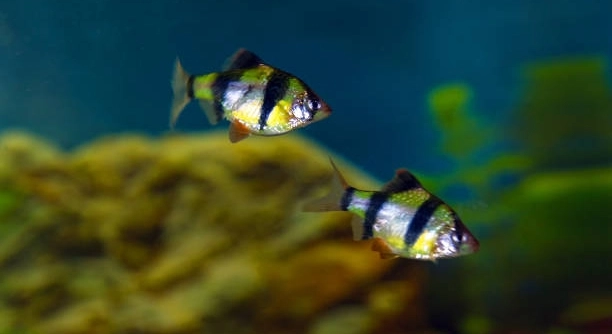
Tiger barbs are lively fish often kept in home aquariums. Many owners notice how active these fish are, especially when there is movement nearby. Observing their behavior can be quite interesting and sometimes surprising.
Tiger barbs do respond to movement in their environment. They are naturally curious and alert fish that react to changes around them, including people walking by or other fish swimming. This behavior suggests they enjoy watching movement as part of their instinctual awareness and stimulation.
Understanding how tiger barbs interact with movement can help improve their care and aquarium setup. This knowledge allows fish owners to create a more engaging and comfortable habitat for their pets.
How Tiger Barbs React to Movement
Tiger barbs are known for their alertness and quick responses to changes in their environment. When something moves near their tank, such as a person walking by or a shadow passing, they often swim closer to investigate. This behavior is part of their natural curiosity and survival instincts. Movement can stimulate them, keeping their minds active. Sometimes, they may even swim excitedly or display their characteristic flashing colors, which can indicate both interest and mild agitation. Their reactions help them stay aware of potential threats or food sources. Because of this, providing a dynamic environment with occasional motion nearby can keep tiger barbs engaged. However, too much sudden movement may stress them, so balance is important to maintain their well-being and comfort.
Their sensitivity to movement helps them adapt quickly to their surroundings, which is important for their health in captivity.
By understanding how tiger barbs respond to movement, tank owners can create a better environment. Introducing gentle movement, like floating plants or a slow filter current, provides stimulation without causing stress. It’s helpful to avoid frequent loud or rapid motions near the tank that could frighten them. Watching how your tiger barbs react over time will give clues about what they enjoy or find uncomfortable. A calm, stimulating tank encourages natural behavior and keeps these lively fish happy and healthy.
Visual Stimulation and Enrichment
Visual cues from movement are important for tiger barbs.
Adding moving objects inside the tank can help them stay active and interested. Floating plants or decorations that sway with the water create natural motion. This kind of stimulation mimics conditions in the wild, where water currents move plants and debris around. The fish react by following or investigating the movement. It’s a simple way to add enrichment without overwhelming them. Fish that remain visually engaged often show healthier behaviors and less stress. Incorporating slow, consistent movement in their environment supports their natural instincts and contributes to their overall well-being.
Signs Tiger Barbs Enjoy Watching Movement
Tiger barbs often swim closer to moving objects or people near the tank. They may flash their bright colors more vividly or become more active when something catches their eye. These behaviors suggest they are stimulated by movement and find it interesting rather than stressful.
This reaction is rooted in their natural instincts. In the wild, movement could signal food or danger. Their alertness helps them survive. In an aquarium, this translates to increased activity when they see movement outside the tank. However, not all movement is positive. Gentle, slow movement usually excites them, while sudden, rapid motions might cause brief stress. Observing these signs can help you know when they are comfortable and curious or when they need a calmer environment.
Noticing these reactions can guide how often and what kind of movement you introduce near the tank. Finding a balance keeps tiger barbs engaged without overwhelming them.
How to Provide Safe Movement for Tiger Barbs
Movement in the tank should be slow and natural.
Objects like floating plants or gentle water currents create safe, consistent movement. These mimic natural habitats, keeping the fish engaged and happy. Sudden or sharp movements outside the tank can cause stress, so it’s best to limit these near their space.
Adding slow-moving elements encourages natural behavior, like chasing or exploring. This kind of stimulation helps prevent boredom, which can affect their health. Watching their reactions to different types of movement can help you adjust the tank setup. The goal is to create a dynamic but calm environment where they feel secure while still being stimulated. Safe movement inside and outside the tank supports their well-being and enriches their daily life.
Movement Outside the Tank
Movement outside the tank catches tiger barbs’ attention quickly. They watch people walking by or objects moving near their aquarium. This reaction is natural and shows their alertness to the environment beyond the water.
Too much sudden movement nearby can cause stress. It’s best to keep activity around the tank calm and gentle.
Creating a Dynamic Aquarium
A well-designed tank includes plants and decorations that move with water flow. These elements create gentle motion that tiger barbs enjoy. Slow currents stimulate their natural instincts to explore and chase without overwhelming them. Adding these features helps keep the fish active and healthy, reducing boredom.
Avoid Overstimulation
Constant or rapid movement can make tiger barbs nervous.
Providing breaks in activity helps them stay calm and comfortable.
FAQ
Do tiger barbs get stressed by too much movement?
Yes, tiger barbs can become stressed if there is constant or rapid movement near their tank. Sudden motions or frequent disturbances can make them nervous, causing them to hide or swim erratically. It’s important to balance stimulation with calm periods to keep them comfortable.
How can I tell if my tiger barbs enjoy watching movement?
If your tiger barbs swim closer to moving objects or follow motions with interest, it’s a good sign they enjoy watching movement. They may also flash their bright colors or become more active. However, if they dart away or hide, it means they feel threatened.
What kind of movement should I provide inside the tank?
Slow, natural movement is best. Adding floating plants or decorations that sway with the water flow mimics their natural environment. A gentle filter current also helps create consistent motion without stressing the fish.
Is it okay for tiger barbs to watch people outside the tank?
Yes, they often enjoy observing activity outside their tank. Watching people walking by or objects moving can stimulate their curiosity. Just avoid sudden loud noises or rapid movements near the aquarium, as these might cause stress.
Can movement help reduce boredom in tiger barbs?
Absolutely. Movement inside and outside the tank provides visual stimulation, which keeps tiger barbs mentally engaged. A tank with gentle currents and moving plants encourages natural behaviors like chasing and exploring, which reduces boredom.
Should I avoid placing the tank in a busy area?
It depends on the fish’s reaction. Some tiger barbs enjoy watching gentle movement outside the tank, while others may become stressed by too much activity. Observe your fish to decide if the location is suitable or if a quieter spot is better.
How often should I introduce movement near the tank?
Movement near the tank should be occasional and gentle. Constant motion or frequent disturbances can cause stress. Short periods of activity followed by calm times help tiger barbs stay curious without becoming anxious.
Can reflections in the tank cause stress for tiger barbs?
Reflections can sometimes confuse tiger barbs, making them think another fish is present. This may cause chasing or aggressive behavior. If reflections are too frequent, it’s best to adjust lighting or tank placement to reduce them.
Are there toys or tools to create movement for tiger barbs?
Floating plants, air stones, and gentle water pumps create natural movement inside the tank. These tools mimic currents and swaying plants found in the wild. They provide stimulation without overwhelming the fish.
Does movement affect breeding behavior in tiger barbs?
Movement can encourage breeding by simulating natural conditions and keeping the fish active. A dynamic environment often improves overall health and readiness to spawn. However, too much stress from sudden movements can have the opposite effect.
Can other fish in the tank affect how tiger barbs respond to movement?
Yes, tank mates’ behavior influences how tiger barbs react. Active or aggressive fish may increase stress, while calm fish help maintain a peaceful environment. Observing all fish’s reactions to movement helps maintain balance in the aquarium.
Tiger barbs are naturally curious and alert fish that enjoy watching movement both inside and outside their tank. Their reactions to motion come from instincts that help them survive in the wild. Movement around them, like people walking by or gentle water currents, can stimulate their senses and keep them active. This helps prevent boredom and encourages natural behaviors such as chasing and exploring. Providing a balanced environment where movement is present but not overwhelming is important for their well-being.
It is important to understand that not all movement is positive for tiger barbs. Sudden or constant rapid motions can cause stress and anxiety. When stressed, tiger barbs may hide, swim frantically, or lose their vibrant colors. To keep them comfortable, tank owners should introduce slow, natural movement like floating plants, gentle filter currents, or air stones. These create a peaceful but engaging atmosphere. Observing how your fish react to different kinds of movement will help you find the right balance between stimulation and calm.
Overall, movement plays a key role in the lives of tiger barbs. It provides both mental and physical enrichment, which contributes to their health. Tank owners who pay attention to their fish’s behavior can improve their environment by adding safe and interesting sources of motion. This makes the tank more enjoyable for the fish and for those who watch them. Creating a dynamic but gentle environment helps tiger barbs stay happy, healthy, and active every day.

Hello,
If you enjoy the content that we create, please consider saying a "Thank You!" by leaving a tip.
Every little bit helps us continue crafting quality advice that supports the health, happiness, and well-being of pets around the world, for pets of all shapes, sizes, and species.
We really appreciate the kindness and support that you show us!