
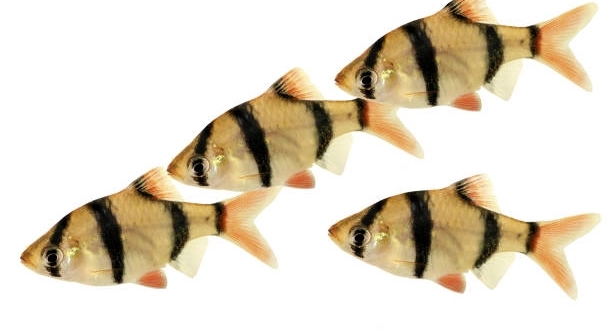
Barbs are colorful, active fish that bring life to any aquarium. Knowing the right water conditions is important to keep them healthy and happy. Proper care starts with understanding what barbs need from their environment.
Barbs require stable water parameters including a temperature of 74-79°F, pH between 6.0 and 7.5, moderate hardness (5-12 dGH), low ammonia and nitrite levels, and adequate oxygenation to thrive in captivity. Maintaining these conditions supports their well-being.
Learning about these essential water parameters can help you provide the best home for your barbs. This knowledge ensures their vibrant colors and lively behavior remain strong over time.
Temperature Needs for Barbs
Barbs do best in water that stays between 74 and 79 degrees Fahrenheit. This range mimics their natural habitat and keeps their metabolism steady. If the water gets too cold, they can become sluggish and weak. Too warm, and their lifespan may shorten due to stress. It’s important to use a reliable heater and thermometer to keep the temperature stable. Sudden changes can shock them and lead to health problems. Regularly checking the temperature helps prevent these issues. This simple step can make a big difference in how well your barbs live.
Stable temperature supports healthy growth and activity. Keeping water too warm or too cold can cause illness and stress.
Maintaining the right temperature also means avoiding places where the tank is exposed to direct sunlight or drafts. Both can cause fluctuations that are hard to control. Using a heater with a built-in thermostat can help regulate the temperature automatically. Barbs also benefit from a slight temperature drop at night to mimic natural conditions. Consistency matters more than hitting a precise number every time. This balance helps your barbs stay active and vibrant.
pH and Hardness Levels
Barbs prefer slightly acidic to neutral water, with pH levels between 6.0 and 7.5. Hardness should be moderate, around 5 to 12 degrees GH.
Maintaining the right pH and hardness keeps their immune systems strong and helps prevent diseases.
Water that is too acidic or too alkaline can harm your barbs by affecting their ability to breathe and digest food properly. Testing your tank water weekly will help you catch any changes early. If you find the pH or hardness outside the ideal range, you can use water conditioners or mix tap water with distilled water to adjust it. Hard water with high mineral content may require treatment to protect your fish. These small adjustments help create a comfortable environment. A stable pH also helps beneficial bacteria thrive, which keeps the water clean and safe. Barbs thrive best when these water conditions are steady and consistent over time.
Ammonia and Nitrite Levels
Ammonia and nitrite must be kept at zero in a barb tank. Even small amounts can be toxic and cause serious health problems.
Ammonia builds up from fish waste, uneaten food, and decaying plants. Nitrite forms as bacteria break down ammonia in the nitrogen cycle. Both substances can damage fish gills and cause stress or death if not controlled. Regular water testing and partial water changes help keep these levels safe. Proper filtration supports beneficial bacteria that convert ammonia and nitrite into less harmful nitrate. Avoid overcrowding your tank to reduce waste production. Keeping ammonia and nitrite at zero is essential for barbs’ health.
Frequent water changes and a good filter prevent dangerous spikes. Watch for signs of stress like gasping or lethargy, which could indicate water quality issues.
Maintaining zero ammonia and nitrite levels means testing water weekly and doing 20-30% water changes as needed. Using a reliable test kit helps track these compounds accurately. Overfeeding increases waste and ammonia production, so feed barbs only what they can eat in a few minutes. Healthy beneficial bacteria in the filter reduce toxins and improve water quality. Avoid using soaps or chemicals in the tank, as they can disrupt this balance. A stable environment free of ammonia and nitrite supports your barbs’ immune system and overall health.
Oxygenation and Water Movement
Barbs need well-oxygenated water with gentle movement. This supports their active nature and helps waste removal.
Good oxygen levels come from surface agitation and proper filtration. Without enough oxygen, barbs may become stressed and weak. Too strong a current can tire them out or prevent normal swimming. Aim for steady but mild water flow. Adding an air stone or adjusting filter output can help balance oxygen and movement. Healthy water circulation also stops stagnant spots where debris can build up. Proper oxygenation is key for vibrant, energetic barbs.
Nitrate Levels
Nitrate should be kept below 20 ppm for barbs to stay healthy. Higher levels can cause stress and long-term health issues.
Regular water changes help control nitrate buildup. Live plants also absorb nitrates, improving water quality naturally.
Tank Cleanliness
Cleaning the tank regularly prevents harmful waste buildup. Remove uneaten food and debris to keep water safe.
A clean tank reduces the risk of disease and keeps barbs comfortable in their environment. Use a siphon for gravel cleaning and change 20-30% of the water weekly to maintain balance.
Water Source Quality
Using clean, treated water is important. Tap water should be dechlorinated before adding to the tank.
Chlorine and chloramine in tap water harm fish and beneficial bacteria. Use water conditioners to neutralize these chemicals for a safe habitat.
Consistency in Water Parameters
Sudden changes in water conditions can shock barbs. Keeping parameters stable is key to their health and longevity.
FAQ
What is the ideal temperature range for barbs?
Barbs thrive best in water between 74 and 79 degrees Fahrenheit. Keeping the temperature stable within this range helps maintain their metabolism and immune system. Sudden shifts outside this range can cause stress and illness. Using a heater with a thermostat and regularly checking the temperature keeps the environment safe.
How often should I test water parameters for barbs?
Testing water weekly is a good practice to catch any changes early. Pay close attention to ammonia, nitrite, nitrate, pH, and hardness. Frequent testing helps you adjust water conditions before problems arise. A reliable test kit is essential for accurate results.
Can barbs tolerate different pH levels?
Barbs prefer a pH between 6.0 and 7.5, slightly acidic to neutral. Small changes within this range are usually fine if they happen slowly. Large or sudden pH shifts can harm their health, causing stress and reducing their ability to fight disease.
What causes ammonia and nitrite buildup?
Ammonia comes from fish waste, leftover food, and decaying plants. Nitrite forms as bacteria break down ammonia in the tank’s nitrogen cycle. If the beneficial bacteria population is low or the tank is overcrowded, these toxins can build up quickly. Regular water changes and proper filtration keep levels safe.
How can I reduce nitrate in the tank?
Nitrate is less harmful but should stay below 20 ppm. You can reduce nitrate by doing partial water changes regularly. Adding live plants also helps because they absorb nitrates during growth. Avoid overfeeding, as extra food raises nitrate levels.
Is strong water flow good for barbs?
Barbs prefer gentle water movement. Strong currents may tire them out or cause stress. Proper filtration and surface agitation improve oxygen levels without creating too much flow. Adjust your filter’s output or add an air stone to get the right balance.
How important is tank cleanliness?
Keeping the tank clean is crucial. Removing uneaten food and debris prevents waste buildup and keeps water safe. Regular gravel cleaning and partial water changes maintain a healthy environment. This reduces stress and disease risks for your barbs.
Do I need to treat tap water before adding it to the tank?
Yes. Tap water usually contains chlorine or chloramine, which harm fish and beneficial bacteria. Use a water conditioner to remove these chemicals before adding water to the tank. This step ensures a safe habitat for your barbs.
What happens if water parameters change suddenly?
Sudden changes can shock barbs, causing stress and illness. It’s better to make any adjustments slowly over several days. Keeping water temperature, pH, hardness, and other factors stable supports your fish’s health and longevity.
Can I keep different barb species together?
Most barb species have similar water needs and temperaments. However, some are more aggressive or grow larger. Research compatibility before mixing species to avoid stress and fighting. Providing enough space and hiding spots reduces conflict.
How much water should I change weekly?
Changing 20-30% of the tank water weekly helps keep toxins low and water parameters stable. More frequent changes may be needed in crowded tanks or if testing shows poor water quality. Always use treated water at the right temperature.
What signs show poor water quality?
Barbs may become lethargic, stop eating, gasp at the surface, or show faded colors when water quality declines. Watch for abnormal behavior and test water immediately. Early detection prevents serious health problems.
Can live plants help maintain water quality?
Yes, live plants absorb nitrates and other waste products, improving water quality. They also provide hiding places and reduce stress for barbs. Choose plants suited to your tank’s lighting and water conditions for best results.
Final Thoughts
Keeping barbs healthy means paying close attention to their water conditions. Temperature, pH, hardness, and levels of ammonia, nitrite, and nitrate all play important roles. Stable and clean water helps barbs stay active and colorful. Changes to these parameters should be made slowly to avoid stress. Using a good heater, filter, and water conditioner can make managing these factors easier. Regular testing and maintenance are the best ways to keep your tank safe and comfortable for your fish.
Barbs are resilient fish but need consistent care to thrive. Avoid overfeeding, overcrowding, and sudden water changes. These common mistakes can cause water quality to drop quickly. Keeping the tank clean by removing waste and uneaten food supports a healthy environment. Live plants can help by absorbing harmful chemicals and providing hiding spots. This natural balance supports barbs’ health and reduces the time spent fixing problems. When water parameters are right, barbs will show their best colors and behavior.
Remember, every tank is different, so learning to watch your fish and test your water is key. Even small adjustments can improve your barbs’ well-being. When you provide the right conditions, you give your barbs a better chance at a long and happy life. With patience and care, maintaining water quality will become a simple part of your routine, making your aquarium a beautiful, healthy home for your barbs.

Hello,
If you enjoy the content that we create, please consider saying a "Thank You!" by leaving a tip.
Every little bit helps us continue crafting quality advice that supports the health, happiness, and well-being of pets around the world, for pets of all shapes, sizes, and species.
We really appreciate the kindness and support that you show us!